
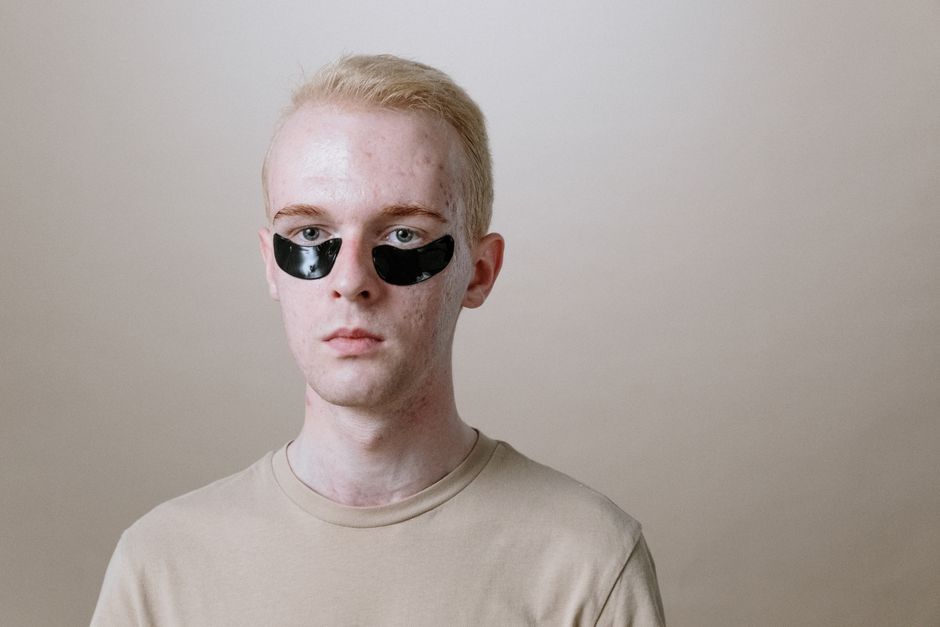
You cannot get rid of a cystic pimple overnight. A cyst forms deep under the skin, and no cream, spot treatment, or home remedy can dissolve it in a few hours. What you can realistically do is reduce the swelling, ease the pain, and stop it from getting worse while your body does the slow work of healing. Anyone promising a fast fix is selling something the evidence does not support.
A cystic pimple is a deep, painful, inflamed bump that forms when a pore becomes blocked and the inflammation spreads well below the surface. Because the problem sits deep in the skin, surface treatments have limited reach. The realistic goal for tonight is calming inflammation and protecting the skin, not making the bump vanish.
Why Can’t You Get Rid Of A Cystic Pimple Overnight?
Cystic acne lesions form deep in the skin, below the layer that topical products can easily reach. That depth is the core reason a fast fix is not possible.
A normal pimple is a blocked pore near the surface. A cystic pimple is different. The pore wall breaks deeper in the skin, and the body responds with inflammation in the surrounding tissue. This creates a firm, tender lump that often has no visible white head.
Inflammation takes time to settle. The body has to clear the trapped material and repair the tissue. That process runs on a biological timeline measured in days, not hours. No product changes how fast your immune cells do their job.
This is why dermatologists generally treat cystic acne differently from surface breakouts. Deep lesions often need treatments that work from the inside, such as prescription medications, rather than creams applied to the surface. For a single cyst, the honest expectation is that it will look and feel better over a few days, not by morning.
What Actually Helps A Cystic Pimple Calm Down Faster?
A few evidence-based steps can reduce inflammation and discomfort while the lesion heals. None of them removes the cyst overnight, but they can make tonight and the next few days more manageable.
- Apply a warm compress. A clean, warm (not hot) cloth held gently against the area for a short time can ease pain and encourage drainage if the lesion is close to the surface. Keep it brief and never press hard.
- Use an over-the-counter anti-inflammatory. Some clinicians suggest a topical product containing benzoyl peroxide or salicylic acid to help with inflammation and keep the area clean. These have modest evidence for treating acne generally, but limited reach in deep cysts. Follow package directions.
- Consider a hydrocortisone cream for short-term use. Some dermatologists recommend a small amount of over-the-counter hydrocortisone to reduce redness and swelling on a single inflamed spot. This is common practice rather than a strongly proven fix, and it should not be used long-term or on broken skin without guidance.
- Keep the area clean and leave it alone. Gentle washing with a mild cleanser helps. Hands off is the most important rule.
These steps address symptoms. They do not cure the underlying cyst. If you have frequent cystic breakouts, single-spot fixes will not solve the problem, and that is a different conversation with a doctor.
What Should You Never Do To A Cystic Pimple?
Do not squeeze, pop, or pick at a cystic pimple. This is the single most damaging thing you can do, and it reliably makes the situation worse.
A cyst sits deep in the skin. Squeezing pushes pressure and inflammation downward and sideways, not just outward. This can rupture the pore wall deeper, spread inflammation, and increase the risk of scarring and dark spots that last far longer than the pimple itself.
Popping a cyst also pushes bacteria and debris into surrounding tissue, which can worsen infection. Because there is often no visible head, there is nothing to “pop” anyway. What comes out is usually blood and clear fluid, and the lump remains.
Home “extraction” tools and aggressive scrubbing carry the same risks. So does applying strong acids or undiluted essential oils, which can burn the skin and add a chemical injury on top of the cyst. The evidence does not support these as safe or effective.
Can Toothpaste Or Other Home Remedies Get Rid Of A Cystic Pimple Fast?
Toothpaste does not treat cystic acne, and it can irritate or damage the skin. This is one of the most persistent skincare myths, and the evidence does not support it.
Toothpaste contains ingredients like baking soda, hydrogen peroxide, menthol, and detergents. Some of these dry the skin, which people mistake for “working.” Drying the surface does nothing to a cyst deep below it, and the irritation can make redness and inflammation worse.
Other common home remedies have similar problems:
- Lemon juice is acidic and can irritate or burn skin, especially when applied undiluted and followed by sun exposure.
- Tea tree oil has some evidence for mild acne when properly diluted, but it is not a proven treatment for deep cystic lesions and can cause allergic reactions.
- Apple cider vinegar is acidic and can irritate skin. No clinical evidence shows it clears cysts.
- Ice can briefly reduce swelling and numb pain, but it does not treat the cyst. Never hold ice directly on skin for long.
None of these are backed by strong evidence for cystic acne. Some can cause harm. The safest approach is to skip them.
When Should You See A Doctor For Cystic Acne?
See a doctor or dermatologist if you have recurring cystic pimples, large or painful lesions, or any signs of infection. Cystic acne is more likely than surface acne to leave permanent scars, and early treatment reduces that risk.
Signs that warrant medical attention include:
- Cysts that are large, spreading, or increasingly painful
- Increasing redness, warmth, or swelling around a lesion
- Fever or feeling unwell
- Repeated breakouts in the same areas
- Scarring or dark marks that persist
These can signal a deeper infection or a condition that needs prescription treatment. A doctor can assess whether the lesion is a cyst, an abscess, or something else that looks similar. This matters because different conditions need different care, and self-treating the wrong one wastes time.
For people with true cystic acne, dermatologists often use prescription treatments that work from the inside, such as certain oral antibiotics for a limited course, hormonal treatments in some cases, or isotretinoin for severe cases. These require medical supervision. They are not overnight fixes either, but they address the underlying cause in a way topical products cannot.
How Long Does A Cystic Pimple Actually Take To Heal?
A single cystic pimple usually takes several days to a couple of weeks to settle, and sometimes longer. This timeline is general and varies from person to person.
In the first day or two, the lesion is inflamed and tender. Over the following days, inflammation gradually subsides. If the cyst drains on its own, healing may speed up. If it stays deep, it can linger as a firm lump for a week or more before slowly resolving.
Scarring and dark marks can persist for weeks to months after the bump itself is gone. This is one reason dermatologists emphasize not picking. The pimple is temporary; a scar can be long-lasting.
If a lesion is not improving after a week or two, or is getting worse, that is a signal to get it looked at rather than waiting longer.
What Can You Do To Prevent The Next Cystic Pimple?
Prevention is where the real leverage is, especially if you get cystic breakouts repeatedly. Single-spot treatment is a stopgap; reducing frequency is the bigger win.
Cystic acne has several contributing factors, including genetics, hormones, and inflammation. You cannot control all of them. But some general measures are reasonable and low-risk:
- Use non-comedogenic skincare and makeup that is labeled not to clog pores.
- Wash your face gently twice a day with a mild cleanser. Over-washing and harsh scrubbing can worsen irritation.
- Avoid picking and touching your face throughout the day.
- Keep bedding and phone surfaces clean as a reasonable hygiene step.
- Talk to a doctor about persistent breakouts rather than cycling through products.
Diet is often raised as a factor. Some research suggests that high-glycemic diets and possibly dairy may be linked to acne in some people, but the evidence is mixed and not strong enough to present as a firm rule. If you suspect a trigger, a doctor or dietitian can help you assess it sensibly.
Frequently Asked Questions
Can a cystic pimple go away in 24 hours?
No. A cystic pimple forms deep in the skin and takes several days to a couple of weeks to settle. No product removes it in a day.
What is the fastest way to reduce a cystic pimple?
A warm compress, gentle cleansing, and leaving it alone can ease pain and inflammation while it heals. For recurring cysts, a doctor can prescribe treatments that work from the inside.
Does toothpaste help a cystic pimple?
No. Toothpaste does not treat cystic acne and can irritate or damage the skin. This is a myth without supporting evidence.
Should I pop a cystic pimple?
Never. Squeezing pushes inflammation deeper, raises the risk of infection, and increases the chance of scarring and dark spots.
