
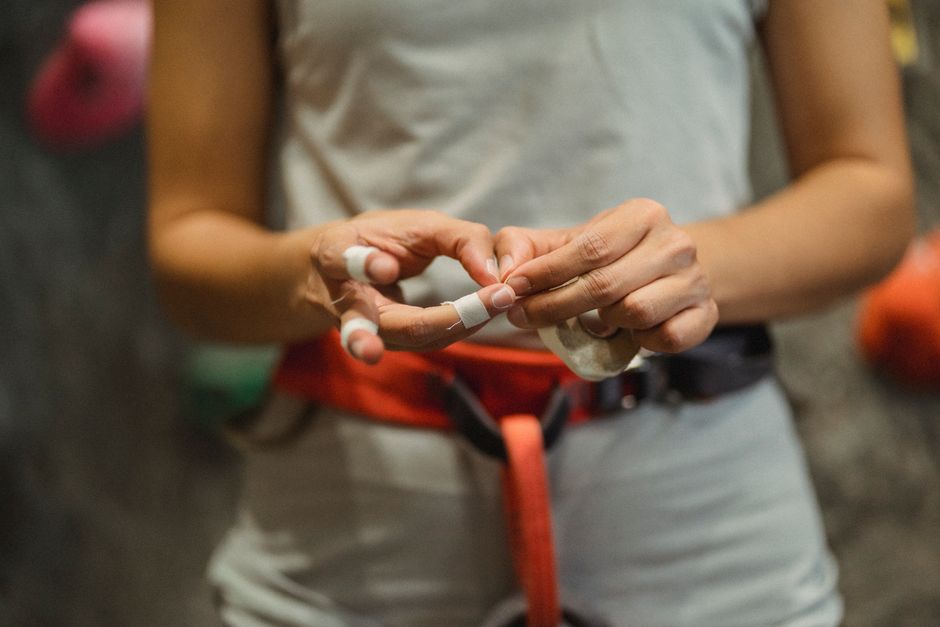
A blister on your finger is a small pocket of fluid that forms when the top layer of skin separates from the layer beneath it. Most finger blisters heal on their own in about one to two weeks if you leave the roof of the blister intact and keep the area clean and protected. You rarely need to pop it, and doing so usually makes things worse by opening the door to infection.
What Actually Causes A Blister On Your Finger?
Friction is the most common cause. When something rubs your skin repeatedly, the top layer slides against the layers below and fluid collects in the gap. This is why blisters show up after a long session with a rake, a new pen, or a tool handle that does not quite fit your hand.
Heat is the other big one. A burn from a stove, a hot pan, or a curling iron can raise a blister within hours. So can a chemical burn, though those often look different and need different care.
Some blisters are not caused by injury at all. Several conditions can produce fluid-filled bumps on the hands and fingers, and they can look similar to each other:
- Dyshidrotic eczema — tiny, deeply seated itchy blisters, often along the sides of the fingers. The cause is not fully understood, though it is linked to skin barrier problems and sometimes allergies.
- Herpes simplex — can appear on a finger, often after contact with a cold sore. This form tends to be painful and sometimes tingles before the blisters appear.
- Contact dermatitis — a reaction to something you touched, which may blister in severe cases.
- Frostbite — cold exposure can blister skin after rewarming.
- Infection — a blister that fills with pus rather than clear fluid usually means bacteria got in.
If blisters keep coming back in the same spots with no obvious friction or burn, that points away from a simple injury and toward something a clinician should look at.
Should You Pop A Finger Blister?
No, not in most cases. The roof of a blister is a natural bandage. It keeps bacteria out and gives new skin underneath a protected space to form.
The clear fluid inside is mostly serum, the liquid part of blood. It is not “toxin” and it is not dirty. It is part of the healing process.
Popping opens a wound. Once the roof is torn, bacteria have a direct path into the tissue, and a minor blister can turn into an infection that needs antibiotics.
There are narrow exceptions. If a blister is so large and tight that it restricts movement or is at real risk of tearing on its own, some clinicians will drain it under clean conditions, keeping the roof intact. That is a clinical judgment, not something to attempt at home with a sewing needle.
How To Get Rid Of A Blister On Your Finger
Time does most of the work. Your job is to protect the blister and avoid making it worse while the skin underneath heals.
Start by washing your hands gently with soap and water, then patting the area dry. Do not scrub the blister.
Cover it loosely with a bandage or a piece of gauze. The goal is to cushion it, not to seal it tight. A loose cover lets air circulate and keeps dirt off.
If the blister is on a spot that gets bumped, like the side of a finger or a knuckle, a donut-shaped pad made from moleskin can take pressure off the area. Cut a hole in the middle and place the blister in the opening.
Leave the roof alone. If it tears on its own, do not peel it off. Trim any loose flap with clean scissors, wash the area gently, apply a thin layer of plain petroleum jelly, and cover it.
Watch for signs that the blister is not healing normally. See a clinician if you notice spreading redness, increasing pain, warmth, swelling, pus, or a red streak moving up the finger or hand. Fever is another reason to get care. These can signal a bacterial infection that needs treatment.





What Should You Not Put On A Blister?
Skip the folk remedies. A few common ones are worth naming because they can cause harm.
Do not apply toothpaste, butter, or essential oils. None of these help healing, and some can irritate already damaged skin or introduce bacteria.
Do not use rubbing alcohol or hydrogen peroxide on an open blister. Both can damage the new skin cells trying to form and slow healing. Plain soap and water is enough for cleaning.
Do not use a heating pad or warm compress on a blister of unknown cause. If the blister came from a burn, heat will make it worse.
Antibiotic ointments are sometimes used on broken skin, but routine use on a closed blister is not necessary and can promote antibiotic resistance. If a clinician recommends one for an infected wound, follow their instructions.
How Long Does A Finger Blister Take To Heal?
A friction blister that stays intact typically heals in about one to two weeks. The fluid slowly reabsorbs, the roof dries and peels, and new skin is already in place underneath.
A burn blister may take longer depending on how deep the burn went. Superficial burns often follow a similar timeline. Deeper burns can take several weeks and may need medical care.
If a blister is still there after two weeks, is getting worse instead of better, or keeps returning, that is a reason to have it looked at. It may not be a simple friction blister.
How Can You Prevent Finger Blisters?
Most friction blisters are preventable with a few changes.
- Wear gloves for tasks that involve repeated rubbing, like gardening, rowing, or using tools.
- Keep hands dry. Moisture softens skin and makes it blister faster. Some people use drying powder inside gloves.
- Break in new tools, pens, or sports equipment gradually rather than in one long session.
- Address the fit. A handle that is too small or too large for your grip causes more rubbing.
- For hot objects, use mitts or potholders rather than a towel, which can transfer heat.
If you get blisters from a skin condition rather than friction, prevention looks different. That usually means identifying triggers with a clinician and following a treatment plan for the underlying condition.
When Should You See A Doctor About A Finger Blister?
Most finger blisters do not need medical attention. Some do.
Get care if the blister is large, extremely painful, or filled with pus or blood-tinged fluid that looks unusual. Seek care if you have diabetes, poor circulation, or a weakened immune system, since infections can progress faster in these groups.
Also get care if the blister follows a chemical exposure, a serious burn, or frostbite. These injuries can be deeper than they look.
And if blisters keep appearing without a clear cause, or come with itching, tingling, or a rash elsewhere, that pattern is worth evaluating. Conditions like dyshidrotic eczema and herpes infections are managed differently, and the right treatment depends on the right diagnosis.
Frequently Asked Questions
Should I pop a blister on my finger?
No, in most cases you should leave it alone. The intact roof protects against infection and helps the skin underneath heal faster.
How long does a blister on a finger take to heal?
A friction blister that stays intact usually heals in about one to two weeks. Burn blisters may take longer depending on how deep the burn is.
What happens if a blister pops on its own?
Wash the area gently, leave the roof in place if you can, apply a thin layer of petroleum jelly, and cover it loosely. Watch for redness, swelling, or pus, which can signal infection.
When should I worry about a finger blister?
See a clinician if you notice spreading redness, increasing pain, warmth, pus, a red streak, or fever. These signs suggest an infection that may need treatment.
