
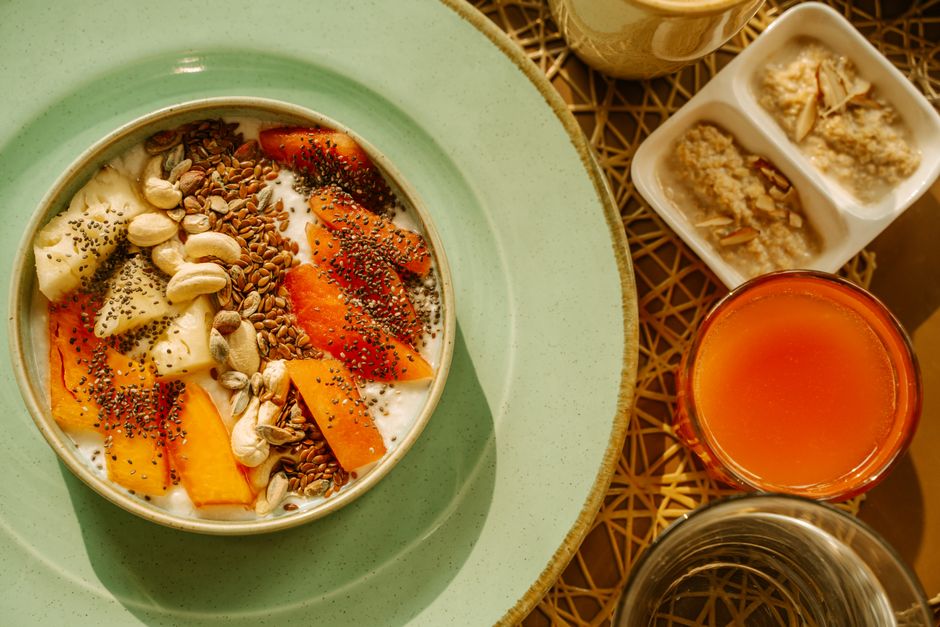
Protein is found in a wide range of foods, and most people in the US already get enough of it without supplements or special products. The practical approach is to include a protein-rich food at each meal, choose from both animal and plant sources, and spread your intake across the day rather than loading it all into dinner. You do not need protein powders, bars, or shakes to meet your needs — ordinary foods like eggs, beans, yogurt, fish, chicken, and tofu do the job.
Most adults need roughly 0.8 grams of protein per kilogram of body weight per day, according to the National Academy of Medicine. For a 150-pound person, that works out to about 55 grams a day. Athletes, older adults, and people recovering from illness may need more, but the average person eating a normal mixed diet typically clears this bar without effort.
How Much Protein Do You Actually Need?
The 0.8 grams per kilogram figure is the established Recommended Dietary Allowance for adults. It is set to prevent deficiency, not to optimize anything in particular. That distinction matters because protein marketing often implies you need far more than you do.
The Acceptable Macronutrient Distribution Range for protein is 10% to 35% of daily calories. Someone eating 2,000 calories a day would land between 50 and 175 grams of protein within that range. The range is wide because protein needs vary by body size, activity level, and life stage.
Some groups do have higher needs. Athletes and people doing regular resistance training may benefit from more. Older adults may need more protein to help preserve muscle mass, though the exact optimal amount is still being studied. People recovering from burns, surgery, or serious illness also have elevated needs. Pregnancy and breastfeeding raise protein requirements as well. If you fall into one of these groups, a registered dietitian can give you a target based on your situation.
What Are The Best Protein Foods To Add To Your Diet?
Animal foods tend to be the most concentrated sources. A 3-ounce portion of cooked chicken breast has about 26 grams of protein. The same amount of cooked salmon has around 22 grams. One large egg has about 6 grams. A cup of milk has about 8 grams, and a cup of plain Greek yogurt can have 15 to 20 grams depending on the brand.
Plant sources are not as concentrated per serving, but they are still meaningful. A half cup of cooked lentils has about 9 grams. A half cup of firm tofu has around 10 grams. A cup of cooked quinoa has about 8 grams. A quarter cup of almonds has roughly 7 grams. Beans, chickpeas, edamame, and peanuts all contribute well.
Here is a rough comparison of common protein foods per typical serving:
- 3 oz cooked chicken breast — about 26 g
- 3 oz cooked salmon — about 22 g
- 1 cup plain Greek yogurt — about 15–20 g
- 1 cup milk — about 8 g
- 1 large egg — about 6 g
- ½ cup cooked lentils — about 9 g
- ½ cup firm tofu — about 10 g
- 1 cup cooked quinoa — about 8 g
These figures come from USDA food composition data. The exact number will vary by brand, cut of meat, and preparation.
How Do You Add Protein At Breakfast?
Breakfast is where many people fall short. A bowl of cereal and a banana might have 3 to 5 grams of protein. That leaves you starting the day behind.
The simplest fix is to add one protein-rich food to whatever you already eat. Eggs are the obvious choice — scrambled, boiled, or in an omelet. Greek yogurt instead of regular yogurt adds several grams without changing your routine. A spoonful of peanut butter on toast, a handful of almonds, or a glass of milk all contribute.
If you are short on time, overnight oats made with milk and topped with nuts or seeds can carry 15 to 20 grams. Cottage cheese on toast is another easy option. The goal is not a perfect breakfast — just one that includes a real protein source rather than relying on grains alone.
How Do You Get Protein At Lunch And Dinner?
Lunch and dinner usually carry the most protein for most people, but the portions can be smaller than you think. A sandwich with a thin slice of deli meat might have 10 grams. A salad with a few chickpeas might have 6.
A practical rule is to aim for a palm-sized portion of a protein food at each main meal. That could be chicken, fish, beef, tofu, tempeh, beans, or lentils. If you eat meat, a 3- to 4-ounce portion is a reasonable target. If you eat plant-based, a larger portion of beans or tofu plus a whole grain covers more ground.
Combining plant proteins matters less than people once thought. The old advice to carefully pair beans and rice at every meal has largely been dropped. Your body maintains a pool of amino acids, so eating a variety of plant proteins across the day is enough for most people. You do not need to engineer every meal to be perfectly balanced.
Do You Need Protein Supplements Or Powders?
No. For most people, food does the job. Protein powders are convenient, not necessary. They can be useful for athletes with very high needs, people with limited appetite, or those with medical conditions that make eating difficult. But they are not required for a healthy diet.
The supplement market is not tightly regulated in the same way as medications. Some third-party testing programs exist, and some products have been found to contain less protein than labeled or to contain contaminants. If you do use a powder, choosing one that has been tested by an independent program is a reasonable precaution.
Whole foods also come with things powders do not — fiber, vitamins, minerals, and other compounds that work together. That is not a reason to fear supplements, but it is a reason not to treat them as a replacement for real food.
Can You Get Enough Protein On A Plant-Based Diet?
Yes, though it takes a little more planning. Plant proteins are generally less concentrated and sometimes less digestible than animal proteins, so you may need larger portions or more frequent servings.
Good plant sources include lentils, beans, chickpeas, tofu, tempeh, edamame, quinoa, nuts, seeds, and whole grains. Soy foods are particularly strong — tofu and tempeh are complete proteins, meaning they contain all the essential amino acids in adequate amounts. Other plant foods are lower in one or more amino acids, but eating a variety across the day covers the gap.
One nutrient to watch on a fully plant-based diet is vitamin B12, which is found naturally almost only in animal foods. The general clinical direction is that people eating a vegan diet should get B12 from fortified foods or a supplement. This is well established and not controversial among nutrition authorities.
What Are Some Simple Tips For Getting More Protein?
Small changes add up faster than a complete diet overhaul. Here are practical habits that work without much effort:
- Add a boiled egg or a spoonful of Greek yogurt to breakfast.
- Keep canned beans or chickpeas on hand for quick additions to salads and soups.
- Choose plain Greek yogurt over regular yogurt when you can.
- Snack on nuts, roasted chickpeas, or edamame instead of chips.
- Add a scoop of lentils to pasta sauce or soups.
- Keep frozen fish or chicken portions for fast weeknight meals.
- Use milk instead of water when making oatmeal or smoothies.
Spreading protein across meals rather than concentrating it at dinner may be slightly better for muscle maintenance, though the evidence on exact timing is not settled. The bigger win for most people is simply getting enough total protein from real foods.
One clarification worth making: protein needs are not the same for everyone, and the 0.8 g/kg figure is a minimum target for generally healthy adults, not a ceiling. If you are active, older, pregnant, or recovering from illness, your needs may be higher. A dietitian can help you sort out what applies to you.
Frequently Asked Questions
How much protein do I need per day?
Most healthy adults need about 0.8 grams of protein per kilogram of body weight daily, which is roughly 55 grams for a 150-pound person. Athletes, older adults, and pregnant women may need more.
What foods are highest in protein?
Chicken breast, fish, eggs, Greek yogurt, milk, lentils, tofu, and beans are among the most concentrated sources. A 3-ounce portion of cooked chicken has about 26 grams.
Can I get enough protein without eating meat?
Yes, plant foods like lentils, tofu, tempeh, beans, quinoa, nuts, and seeds can meet protein needs with a bit more planning. People eating fully plant-based diets should get vitamin B12 from fortified foods or a supplement.
Do I need protein powder to build muscle?
No, food sources are sufficient for most people. Protein powder is convenient but not necessary, and whole foods also provide fiber, vitamins, and minerals that powders do not.
