
Getting enough protein on a vegetarian diet is simpler than most people think. The key is eating a variety of plant foods throughout the day rather than trying to combine specific foods at every single meal. Most adults need about 0.8 grams of protein per kilogram of body weight, and plant sources like beans, lentils, tofu, eggs, and dairy can easily meet that target.
How Much Protein Do You Actually Need?
Protein needs are often overstated. The standard recommendation for a sedentary adult is 0.8 grams per kilogram of body weight per day. That works out to roughly 54 grams for a 150-pound person and about 65 grams for a 180-pound person.
Athletes and older adults need more. Endurance athletes and those doing regular strength training may need 1.2 to 1.7 grams per kilogram. Older adults also benefit from higher intake, around 1.0 to 1.2 grams per kilogram, to help prevent muscle loss.
Pregnant women need about 1.1 grams per kilogram. Breastfeeding women need about 1.3 grams per kilogram. These are established clinical guidelines, not guesses.
Most vegetarians in the United States already meet or exceed their protein needs without special planning. The bigger concern is often getting enough variety, not getting enough protein.
How To Get Protein As A Vegetarian: Step by Step
Step 1: Build meals around a protein source. Choose one or two protein-rich foods for each meal. Tofu, tempeh, lentils, chickpeas, black beans, eggs, Greek yogurt, cottage cheese, and edamame all work well.
Step 2: Include protein at breakfast. Many vegetarians fall short at breakfast more than any other meal. Eggs, Greek yogurt, cottage cheese, or a protein-rich smoothie with tofu or Greek yogurt can fix this easily.
Step 3: Add a protein source to lunch and dinner. A bean-based chili, a lentil soup, a tofu stir-fry, or a grain bowl with chickpeas all deliver solid protein. Aim for roughly 20 to 30 grams per main meal.
Step 4: Use snacks to fill gaps. Hard-boiled eggs, cheese sticks, roasted chickpeas, edamame, nuts, and seeds all add protein between meals. A handful of almonds gives about 6 grams.
Step 5: Choose whole-food sources most of the time. Protein powders and meat substitutes are convenient, but whole foods provide fiber, vitamins, and minerals that processed options lack. Use them as supplements, not staples.
Step 6: Track for a few days. Use a food tracking app for three to five days to see where you actually stand. Most people discover they are already meeting their needs without any changes.
Best Plant-Based Protein Sources
Some plant foods are notably higher in protein than others. Knowing these makes planning easier.
| Food | Protein per serving |
|---|---|
| Tofu (firm) | About 10 grams per half cup |
| Tempeh | About 15 grams per half cup |
| Lentils (cooked) | About 9 grams per half cup |
| Chickpeas (cooked) | About 7 grams per half cup |
| Black beans (cooked) | About 7 grams per half cup |
| Edamame | About 9 grams per half cup |
| Greek yogurt (nonfat) | About 15 grams per 6 ounces |
| Cottage cheese | About 14 grams per half cup |
| Eggs | About 6 grams per large egg |
| Quinoa (cooked) | About 8 grams per cup |
| Hemp seeds | About 10 grams per 3 tablespoons |
| Peanut butter | About 8 grams per 2 tablespoons |
These numbers come from USDA nutritional data. They are reliable and consistent across food databases.




Do You Need To Combine Proteins At Every Meal?
No. This is one of the most persistent myths in vegetarian nutrition.
The old idea was that plant proteins are incomplete and must be combined at the same meal to form a complete protein. Research has shown this is unnecessary. Your body pools amino acids from all the foods you eat over the course of a day.
Eating rice and beans together is fine, but eating beans at lunch and rice at dinner works just as well. As long as you eat a variety of plant proteins throughout the day, your body gets all the essential amino acids it needs.
The one exception worth noting is that some plant proteins are lower in specific amino acids like lysine or methionine. This is why variety matters. A person eating only wheat bread all day would fall short on lysine. A person eating bread, beans, nuts, and vegetables will not have this problem.
Vegetarian Protein Options For Lacto-Ovo Vegetarians
If you eat dairy and eggs, your protein options expand significantly. These are complete proteins, meaning they contain all nine essential amino acids in adequate amounts.
Eggs are one of the most affordable complete proteins available. Greek yogurt and cottage cheese are dense protein sources with the added benefit of probiotics in the yogurt. Milk and cheese also contribute meaningful protein to the diet.
For lacto-ovo vegetarians, a typical day might look like this: Greek yogurt with fruit at breakfast, a lentil soup with cheese at lunch, and a tofu stir-fry with an egg on top at dinner. That easily reaches 70 to 90 grams of protein without any effort.
Protein For Vegans: No Dairy Or Eggs
Vegans need to rely entirely on plant sources, but the options are still abundant. Soy products are the standout choice because they are complete proteins.
Tofu, tempeh, and edamame all come from soybeans and provide all essential amino acids. This makes them the closest plant equivalent to animal protein in terms of quality.
Other strong vegan options include lentils, chickpeas, black beans, pinto beans, kidney beans, peas, quinoa, and hemp seeds. Seitan, made from wheat gluten, is also very high in protein but not suitable for anyone with gluten sensitivity.
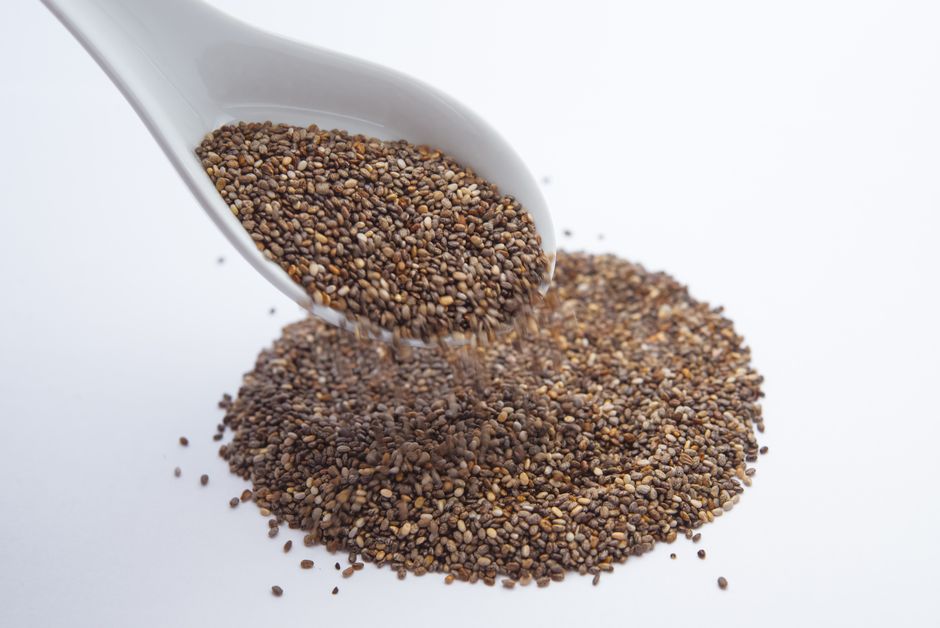
Nuts and seeds add protein to meals and snacks. Almonds, walnuts, pumpkin seeds, sunflower seeds, and chia seeds all contribute. Chia seeds provide about 4 grams per two tablespoons, mostly along with healthy fats and fiber.
Should You Use Protein Powders Or Supplements?
Most vegetarians do not need protein supplements. Whole foods provide protein along with fiber, vitamins, minerals, and phytochemicals that powders simply do not contain.
That said, protein powders can be useful in specific situations. Athletes with high protein needs, older adults struggling to eat enough, or people recovering from illness might benefit. Pea protein, brown rice protein, and soy protein powders are all plant-based options.
If you choose a protein powder, read the label carefully. Some products contain added sugars, artificial sweeteners, or fillers. A simple ingredient list is usually a good sign.
No clinical evidence suggests that protein powders are harmful for healthy adults at recommended doses. But they are not necessary for most people either.
Common Mistakes Vegetarians Make With Protein
The most common mistake is relying too heavily on refined carbohydrates. Pasta, bread, white rice, and processed snacks can fill you up without delivering much protein. If most of your calories come from these foods, your protein intake will likely be low.
Another mistake is skipping breakfast or eating a carb-only breakfast like cereal or toast. Adding eggs, yogurt, or a plant-based protein source at breakfast makes a significant difference in daily totals.
Some vegetarians also eat too little overall. If you are not eating enough calories, you are not getting enough protein. This is especially common among people who switch to vegetarianism without adjusting their meal sizes.
Finally, some people worry excessively about protein quality. The science is clear: a varied vegetarian diet provides adequate protein for nearly all healthy adults. The American Dietetic Association has stated that well-planned vegetarian diets are nutritionally adequate for all stages of life.
Signs You Might Not Be Getting Enough Protein
True protein deficiency is rare in developed countries. But it can happen, especially if you are eating a very restricted vegetarian diet or relying heavily on processed foods.
Common signs include persistent fatigue, muscle weakness, hair thinning, brittle nails, and slow wound healing. Swelling in the feet or ankles can also occur in more severe cases because low protein affects fluid balance.
If you experience these symptoms, it is worth reviewing your diet or speaking with a healthcare provider. A simple dietary assessment can often identify the gap.
Frequently Asked Questions
How much protein do vegetarians need per day?
Most adults need about 0.8 grams per kilogram of body weight daily. Athletes and older adults may need 1.2 to 1.7 grams per kilogram.
What vegetarian foods are highest in protein?
Tempeh, tofu, lentils, Greek yogurt, cottage cheese, and edamame are among the highest. Hemp seeds and seitan are also very protein-dense options.
Is it hard to get enough protein as a vegetarian?
No, most vegetarians meet their protein needs without special planning. Eating a variety of beans, soy products, nuts, seeds, eggs, and dairy throughout the day is generally sufficient.
Do vegetarians need to combine proteins at every meal?
No, this myth has been debunked. Your body pools amino acids from all foods eaten throughout the day, so variety over the day is what matters.
