

Getting pregnant comes down to timing sex around ovulation, having regular unprotected sex, and addressing any known health issues that affect fertility. For most couples under 35, about 8 in 10 conceive within a year of trying. If you are 35 or older, that window is shorter, and it is reasonable to seek help after 6 months instead of waiting a full year.
How To Get Pregnancy: Tips That Actually Matter
Most of what determines whether you conceive is biology you cannot control. What you can control is timing, frequency, and getting the basics right.
Ovulation is the release of an egg from the ovary, usually once per menstrual cycle. That egg lives roughly 12 to 24 hours. Sperm, by contrast, can survive in the reproductive tract for up to about 5 days. That mismatch is the whole game: sex in the days before ovulation gives sperm a chance to already be waiting when the egg is released.
For a typical 28-day cycle, ovulation happens around day 14. But cycles vary widely. Ovulation is better estimated by tracking than by counting.
- Track your cycle on a calendar to learn your typical length.
- Watch for cervical mucus that becomes clear, slippery, and stretchy — similar to raw egg white.
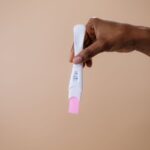
- Use ovulation predictor kits that detect a surge in luteinizing hormone (LH) in urine, which typically happens about 24 to 36 hours before ovulation.
- Note a slight rise in basal body temperature after ovulation — useful for confirming ovulation happened, less useful for predicting it in advance.
Have sex every 1 to 2 days during your fertile window, which is roughly the 5 days before ovulation plus the day of ovulation. Daily sex does not reduce sperm quality in healthy men. There is no need to “save up” sperm.
How Long Should You Try Before Seeking Help?
The standard guidance is to try for 12 months if you are under 35 and 6 months if you are 35 or older. This is not arbitrary. Fertility declines with age, and earlier evaluation can save time.
There are situations where you should not wait at all. See a doctor sooner if:
- You are 40 or older.
- Your cycles are irregular, very long, or absent.
- You have a known condition affecting fertility, such as endometriosis, polycystic ovary syndrome (PCOS), or a prior pelvic infection.
- You have had multiple miscarriages.
- Your partner has a known sperm issue or has had testicular surgery, injury, or cancer treatment.
About 1 in 7 couples in the US experience infertility, defined as not conceiving after 12 months of regular unprotected sex. That definition matters because it is the threshold most insurance plans and clinics use.
What Lifestyle Factors Affect Fertility?
Some lifestyle factors have solid evidence behind them. Others are widely repeated but weakly supported. Here is the honest split.
Strong evidence:
- Smoking reduces fertility in both men and women and is linked to earlier menopause and higher miscarriage risk.
- Heavy alcohol use impairs fertility. The effect of light drinking is less clear, but most guidelines advise limiting or avoiding alcohol when trying to conceive.
- Being significantly underweight or overweight can disrupt ovulation. BMI at either extreme is associated with longer time to conception.
- Untreated sexually transmitted infections can cause scarring that blocks fallopian tubes.
Weaker or mixed evidence:
- Specific diets. Mediterranean-style eating patterns are associated with better fertility in some studies, but no single diet has been proven to guarantee conception.
- Supplements marketed for fertility. Some, like folic acid, have clear benefits for pregnancy outcomes. Many others do not have strong evidence for improving conception.
- Stress. High stress is associated with longer time to pregnancy in some research, but the relationship is complex and not fully established.
Folic acid is the one supplement with a clear, well-established role. The standard recommendation is 400 micrograms daily for most women planning pregnancy, started before conception, to reduce the risk of neural tube defects. Women with certain risk factors may be advised to take a higher dose, which should be discussed with a clinician.




Does Position or Lying Still After Sex Help?
No. There is no evidence that any sexual position improves the chance of conception, and no evidence that lying with your hips elevated or staying still afterward helps. Sperm reach the cervix within seconds regardless of position.
This is one of the most persistent myths in fertility advice. It is harmless to do what feels comfortable, but it does not change your odds.
Similarly, there is no evidence that avoiding certain positions, or that orgasm during sex, affects conception in either direction.
What About Male Fertility?
Male factors contribute to roughly half of infertility cases, either alone or combined with female factors. This is often overlooked.
Sperm production takes about 2 to 3 months, so lifestyle changes made today may not show up in a semen analysis for several weeks.
Things that can affect sperm quality include:
- Heat exposure from frequent hot tubs, saunas, or tight clothing
- Smoking and heavy alcohol use
- Certain medications, including some for hair loss and some antidepressants
- Anabolic steroid use, which can suppress sperm production
- Obesity
A semen analysis is a straightforward test and is often one of the first steps in a fertility evaluation. It is worth doing earlier rather than later if there is any concern.
When Should You Consider Fertility Testing?
Testing is usually recommended after the time thresholds above, or sooner if there are red flags. Basic evaluation typically includes:
- Ovulation testing, often by blood progesterone level or tracking
- Hormone blood tests such as FSH, LH, and AMH to assess ovarian reserve
- A hysterosalpingogram (HSG) or similar imaging to check whether the fallopian tubes are open
- Semen analysis for the male partner
These tests do not diagnose everything. Some causes of infertility remain unexplained even after a full workup, which is a real and common outcome. Unexplained infertility does not mean nothing can be done — it means no specific cause was identified.
Does Timing Sex Every Other Day Really Work?
Yes, for most couples. Having sex every 1 to 2 days throughout the cycle, or at least during the fertile window, is the most reliable approach because it does not depend on perfectly predicting ovulation.
If you are tracking ovulation, aim for sex on the day of a positive LH test and the following day, plus the days leading up to it.
One clarification worth making: ovulation predictor kits detect the LH surge, not ovulation itself. Ovulation typically follows the surge by about a day, but this varies. That is another reason frequent sex across the window works better than trying to hit one perfect day.
What Does Not Work
A few things get recommended often but lack evidence:
- Specific sexual positions
- Lying still after sex
- Most over-the-counter “fertility boost” supplements
- Detoxes or cleanses
- Acupuncture for improving conception rates — some studies suggest possible benefit, but results are mixed and not definitive
If a product claims to guarantee pregnancy, that claim is not supported by evidence. No supplement or device has been shown to guarantee conception.
Frequently Asked Questions
How often should we have sex to get pregnant?
Every 1 to 2 days during your fertile window, which is about 5 days before ovulation plus the day of ovulation. Daily sex does not harm sperm quality in healthy men.
How long does it take to get pregnant on average?
About 8 in 10 couples under 35 conceive within 12 months of trying. If you are 35 or older, seek evaluation after 6 months.
Can you get pregnant right after your period?
It is possible but uncommon, because ovulation usually happens around the middle of the cycle. Sperm can survive up to about 5 days, so sex during your period could theoretically lead to conception if you ovulate early.
Does lying down after sex help you get pregnant?
No. There is no evidence that lying still or elevating your hips improves conception. Sperm reach the cervix within seconds regardless of position.
