
Plaque is a soft, sticky film of bacteria that builds up on teeth every day. You can remove it at home with thorough brushing and cleaning between your teeth, and a dental professional can remove what hardens into tartar. The key fact to understand is that plaque starts forming within hours of brushing, so removal is a daily job, not an occasional one.
This guide explains what plaque actually is, why it matters, how to remove it effectively, and where the limits of home care sit. It also separates what the evidence supports from what is mostly marketing.
What Is Plaque and Why Does It Matter?
Plaque is a community of bacteria living in a thin film on your teeth. It forms constantly. Bacteria stick to the tooth surface and multiply, and the film keeps rebuilding even after you brush.
This matters because the bacteria in plaque produce acids when they meet sugar from food. Those acids attack tooth enamel. Over time, repeated acid attacks lead to cavities. Plaque near the gumline also irritates gum tissue, which is the starting point for gum disease.
There are two related but different problems. Plaque is the soft film you can disrupt with a brush. Tartar, also called calculus, is plaque that has mineralized and hardened onto the tooth. Once tartar forms, brushing cannot remove it. That is a job for a dental professional.
Here is a point many people miss. Plaque itself is not the enemy in small amounts. It is a normal part of the mouth’s ecosystem. The problem is when it accumulates and sits undisturbed in the same spots for too long. That is why consistency and technique matter more than any single product.
How To Get Plaque Off Your Teeth
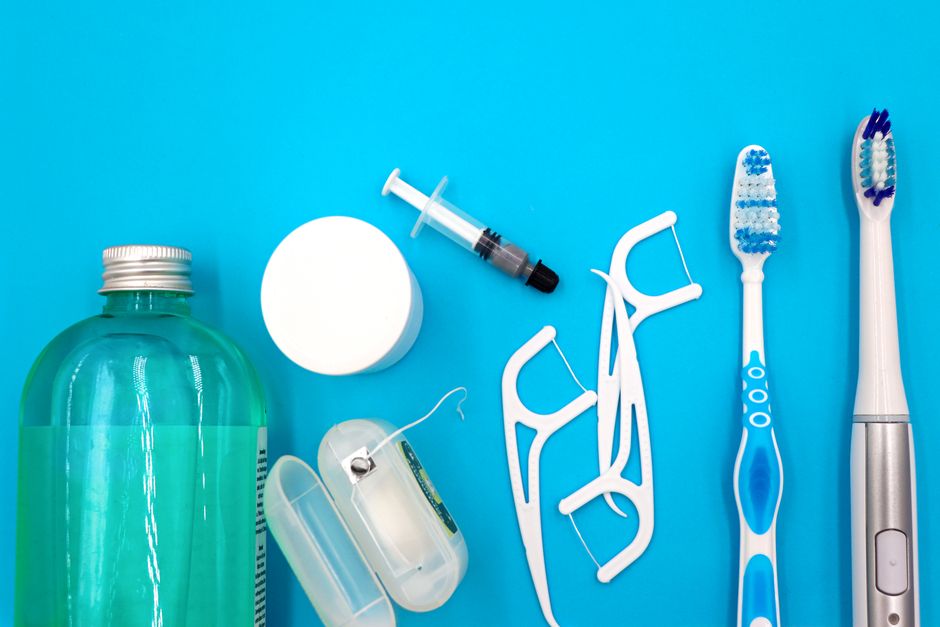
You remove plaque mechanically. That means physically breaking up and wiping away the film. No rinse or supplement does this as reliably as a brush and floss or another interdental cleaner.
The core routine comes down to a few well-established steps:
- Brush twice a day with a fluoride toothpaste. Two minutes per session is the standard most dental professionals recommend. A soft-bristled brush is enough. Hard bristles do not clean better and can wear down enamel and irritate gums.
- Clean between your teeth once a day. This is where plaque hides from your brush. Floss, interdental brushes, or water flossers all reach these spaces. Floss and interdental brushes physically scrape the sides of teeth; water flossers flush debris and are generally considered less thorough at scraping plaque, though some people find them easier to use consistently.
- Angle the brush at the gumline. Hold it at roughly a 45-degree angle so the bristles reach the area where the tooth meets the gum. This is where plaque does the most damage and where people most often miss.
- Do not rush. Most people brush for far less time than they think. A timer or an electric brush with a built-in timer helps.
Electric toothbrushes are worth mentioning honestly. Some research suggests oscillating-rotating electric brushes remove plaque somewhat better than manual brushing for some people. The difference is modest. A manual brush used well beats an electric brush used poorly. The best brush is the one you use correctly and consistently.
Brushing your tongue also helps. It does not remove plaque from teeth, but it reduces the bacteria load in the mouth and improves breath.
Does Flossing Really Matter, and What About Interdental Brushes?
Cleaning between teeth matters because a toothbrush cannot reach those surfaces. Roughly a third of each tooth’s surface sits between teeth. Skip that, and you leave plaque undisturbed in exactly the spots where gum disease and cavities often start.
The evidence on flossing is often described as weaker than people expect. Some reviews have found the benefit of flossing alone to be small or uncertain in short studies, largely because many people floss incorrectly or not often enough. The consensus among dental professionals remains that cleaning between teeth is worthwhile. The honest framing is this: the evidence for interdental cleaning is strongest when it is done correctly and regularly, and weaker when it is done poorly or occasionally.
Interdental brushes, small brushes that fit between teeth, may be more effective than string floss for people with wider gaps between teeth. Some studies suggest interdental brushes remove more plaque from between teeth than floss. Your dental professional can tell you which spaces are wide enough for a brush.
Can Mouthwash or Special Toothpaste Remove Plaque?
Mouthwash and toothpaste can help, but they do not replace the mechanical removal of plaque. This is where a lot of marketing overstates what products do.
Antibacterial mouthwashes can reduce the number of bacteria in the mouth. Some contain ingredients like chlorhexidine, which is effective but generally used for short periods under dental guidance because long-term use can stain teeth and alter taste. Over-the-counter cosmetic mouthwashes mostly freshen breath and do little to remove plaque film.
Fluoride toothpaste is genuinely important, but its main proven role is strengthening enamel and helping prevent cavities, not dissolving plaque. Toothpastes marketed as “anti-plaque” may help slightly, but no toothpaste removes plaque the way a brush does. The physical act of brushing is what clears the film.
Whitening toothpastes are a separate matter. They may help with surface stains but do not remove plaque or tartar, and some are abrasive enough to be used with care.
What Removes Tartar, and Why Can’t You Do It Yourself?
Tartar cannot be brushed off. Once plaque mineralizes and bonds to the tooth, it becomes hard and firmly attached. Only a dental professional can remove it, using scaling instruments during a professional cleaning.
This is why regular dental visits matter. A professional cleaning removes tartar above and, when needed, below the gumline. It also reaches areas your brush cannot. The general guidance from dental organizations is to have a professional cleaning at intervals your dentist recommends based on your gum health and risk factors. For many people this is roughly every six months, but the right interval varies.
Home “tartar removal” tools sold online deserve caution. Scraping hardened deposits off your own teeth with sharp instruments can damage enamel and gums, and it does not replicate what a trained professional does. Some clinicians advise against these tools. This is one area where the honest answer is to leave it to a professional.
Why Does Plaque Keep Coming Back?
Plaque reforms because the mouth is a warm, wet environment full of bacteria and food. It is not a sign you are doing something wrong. It is a sign you are human.
Plaque begins to rebuild within hours of brushing. This is why twice-daily brushing and daily interdental cleaning are the standard, not once-a-week deep cleans. Frequency and consistency beat intensity.
Some factors make plaque buildup worse or harder to control:
- Dry mouth. Saliva helps clear food and bacteria. Medications, mouth breathing, and some health conditions reduce saliva, which lets plaque accumulate faster.
- Frequent sugary snacks and drinks. Each exposure feeds acid-producing bacteria. Sipping sugary drinks all day keeps the acid attack going.
- Crowded or hard-to-reach teeth. Overlapping teeth trap plaque where a brush struggles.
- Braces and dental appliances. These create extra surfaces and hiding spots.
- Smoking. Smoking is associated with worse gum health and can mask the early signs of gum problems.
None of these is a reason to give up. They are reasons to be more deliberate about technique and to keep professional visits.
What Are the Signs Plaque Is Causing a Problem?
Plaque itself is often invisible or felt as a fuzzy film, especially after sleeping. The signs that it is causing harm are different, and they are worth knowing.
Gum tissue that bleeds when you brush or floss, looks red or swollen, or feels tender can signal gingivitis, which is inflammation of the gums caused by plaque. Gingivitis is generally reversible with good home care and professional cleaning. If it progresses to periodontitis, the damage to the bone and tissues that support teeth can become permanent. That progression is why early gum symptoms should not be ignored.
Persistent bad breath, a bad taste, and visible yellow or brown deposits near the gumline are other signs. If your gums bleed regularly despite good brushing, or if they are receding or tender, see a dental professional. This is not something to manage with a different toothpaste alone.
Frequently Asked Questions
How can I get plaque off my teeth at home?
Brush twice a day with fluoride toothpaste and clean between your teeth once a day with floss or interdental brushes. This mechanical cleaning removes the soft plaque film that builds up daily.
Can vinegar or baking soda remove plaque?
No clinical evidence confirms that home remedies like vinegar dissolve plaque, and acidic vinegar can harm enamel. Baking soda in toothpaste may help with surface stains but does not replace brushing.
Does tartar go away on its own?
No. Once plaque hardens into tartar, it bonds to the tooth and cannot be removed by brushing. Only a dental professional can remove it during a cleaning.
How often should I get my teeth cleaned?
Follow the interval your dentist recommends based on your gum health and risk factors. Many people are advised to have a professional cleaning roughly every six months, but the right schedule varies from person to person.
