
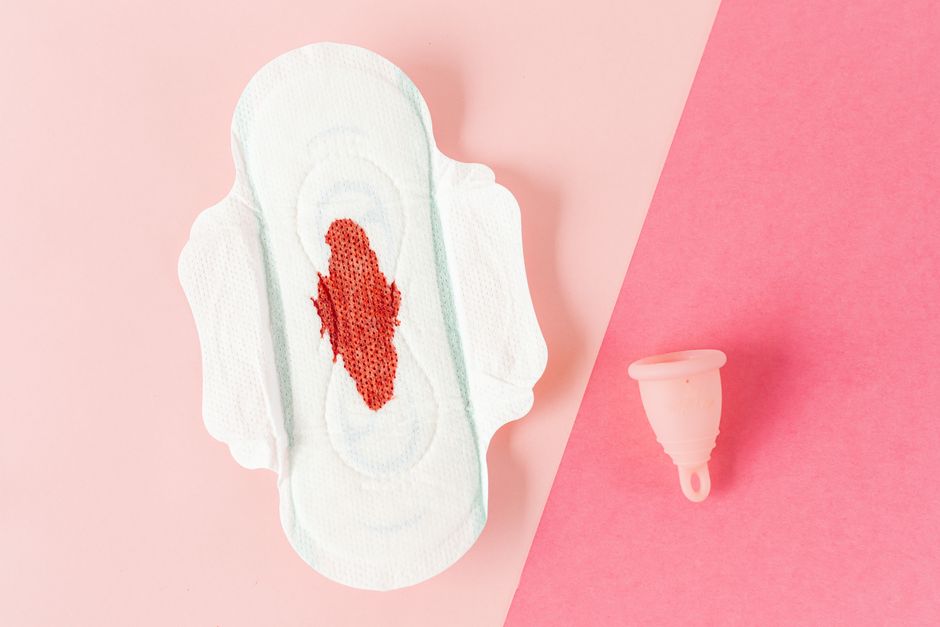
If your period is late and you want it to start, the honest answer is that there is no proven way to make a period come on demand. The menstrual cycle runs on a hormone sequence your body controls, and it cannot be rushed from the outside in most cases. What you can do is understand why a period is late, support the conditions your body needs for a normal cycle, and know when a medical option such as prescription progesterone is appropriate.
How To Get Periods Fast Natural And Medical Options
A missed period is not automatically a problem. It is a signal. The first step is figuring out what the signal means before trying to change it.
The menstrual cycle depends on a relay between the brain and the ovaries. The hypothalamus and pituitary gland release hormones that tell the ovaries to prepare an egg and produce estrogen. After ovulation, the ovary makes progesterone, which builds up the uterine lining. If no pregnancy occurs, progesterone falls, the lining sheds, and bleeding begins. A period can be delayed anywhere along that chain.
Common reasons a period is late or skipped include:
- Pregnancy, which is the first thing to rule out if you are sexually active
- Stress, which can suppress the hormone signal from the brain
- Significant weight loss, very low body fat, or disordered eating
- Intense exercise, especially in endurance athletes
- Thyroid problems and high prolactin levels
- Polycystic ovary syndrome (PCOS)
- Perimenopause, the years leading up to menopause
- Some medications, including certain antidepressants and antipsychotics
These causes do not all respond to the same approach. That is why a single “trick” to bring on a period does not exist.
Can You Make Your Period Come Faster Naturally?
There is no food, tea, supplement, or exercise that has been shown in clinical studies to trigger a period that is not already coming. This is where a lot of online advice falls apart.
What natural approaches can do is remove obstacles. If a late period is linked to high stress, poor sleep, or being underweight, addressing those may help your cycle return to its normal rhythm over time. That is not the same as bringing a period on tomorrow.
Things that support a regular cycle in general:
- Getting consistent sleep and managing stress
- Eating enough calories and enough fat to support hormone production
- Avoiding extreme or sudden weight loss
- Moderating very high-intensity training if your cycle has stopped
If you have lost your period because of low body weight or overexercise, the fix is usually to eat more and train less, and that can take weeks or months to restore a cycle. No supplement replaces that.
Do Home Remedies Like Vitamin C, Parsley, or Herbal Teas Work?
No. Vitamin C, parsley tea, ginger, and similar remedies are widely shared online, but there is no clinical evidence that any of them bring on a period. Some of them, taken in large amounts, can cause harm.
High doses of vitamin C can cause stomach upset, diarrhea, and in people with a history of kidney stones, increase the risk of stones. Some herbal products marketed for “bringing on a period” contain compounds that are not regulated and can be toxic. A few traditional herbs used this way are actually unsafe in pregnancy.
This is worth being blunt about: a late period could mean you are pregnant, and some of these remedies are dangerous if you are. Do not use unregulated herbs or megadoses of vitamins to try to start a period.





What Medical Options Exist to Bring On a Period?
There is one well-established medical option, and it only applies in specific situations. It is a prescription form of progesterone, sometimes called a progesterone challenge or withdrawal bleed.
How it works: if your body has built up a uterine lining but is not shedding it, giving progesterone and then stopping it can trigger a bleed. This is not the same as a natural period, and it does not work if the lining has not been built up in the first place.
This approach is used when a clinician wants to:
- Confirm whether the uterus and ovaries are responding normally
- Empty the lining in someone who has gone a long time without a period
- Address a specific diagnosed hormonal problem
It requires a prescription and a diagnosis. It is not something to attempt on your own. A doctor needs to rule out pregnancy first, because giving progesterone during pregnancy is not appropriate, and needs to understand why your period stopped before treating it.
If a period is being suppressed by a specific cause, such as a thyroid problem or high prolactin, treating that cause is what restores the cycle. That is the medical option that matters most.
When Should You See a Doctor About a Missed Period?
See a doctor if you have missed three or more periods in a row, if your periods have stopped for several months, or if you are under 45 and your cycle has been absent for a while.
Also see a doctor promptly if you are sexually active and your period is late, to rule out pregnancy. And seek care right away if you have severe pelvic pain, heavy bleeding, or bleeding between periods.
Going without a period for a long time is not harmless. If the cause is low estrogen, as happens with overexercise, low body weight, or certain hormonal conditions, that can affect bone density over time. A missed period is worth investigating, not just waiting out.
Does a Late Period Always Mean Something Is Wrong?
No. An occasional late or skipped period is common and often has no serious cause. Stress, travel, illness, a change in sleep, or a shift in routine can delay a cycle once, and it usually returns to normal on its own.
The pattern matters more than a single event. One late period in someone with an otherwise regular cycle is usually not concerning. Repeated missed periods, or a cycle that has stopped entirely, is the pattern that needs a medical look.
If you are in perimenopause, irregular cycles are expected. The years before menopause commonly bring shorter, longer, or skipped periods, and that is a normal transition rather than a problem to fix.
Frequently Asked Questions
How can I get my period to start today?
There is no proven way to start a period the same day it is late. A prescription progesterone withdrawal bleed can trigger bleeding, but only a doctor can determine if that is appropriate for you.
Do natural remedies like vitamin C or parsley bring on a period?
No clinical evidence shows that vitamin C, parsley, or herbal teas bring on a period. High doses of some of these can cause side effects, and some herbs are unsafe if you are pregnant.
How many missed periods before I should see a doctor?
See a doctor if you miss three or more periods in a row, or if your periods stop for several months. Also see a doctor promptly if you might be pregnant.
What is a progesterone withdrawal bleed?
It is a prescription treatment where a doctor gives progesterone and then stops it, which can trigger the uterine lining to shed. It requires a diagnosis and is not a do-it-yourself option.
