
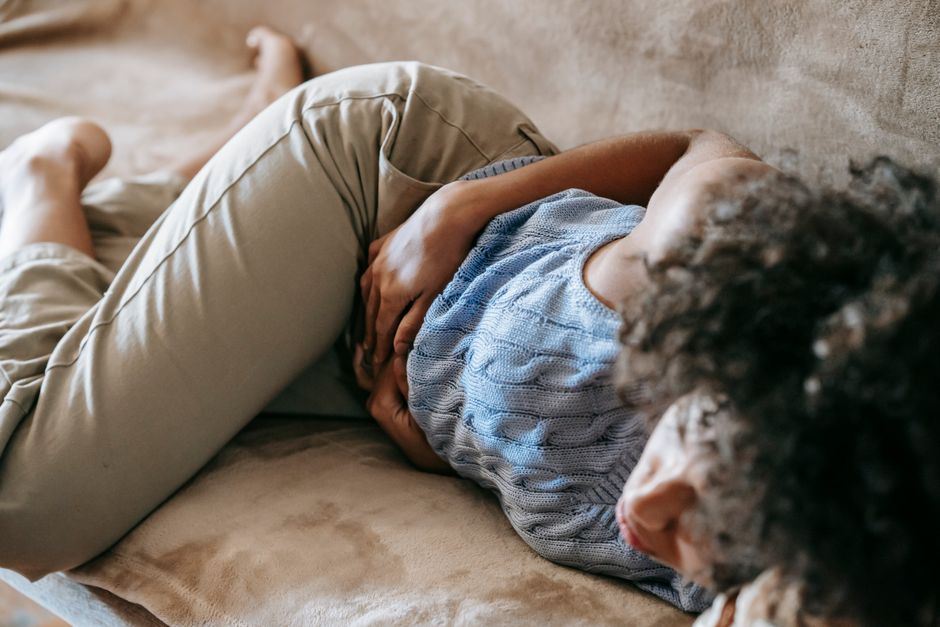
You cannot safely give yourself period cramps, and no medical treatment exists to induce them on demand. Period cramps — called dysmenorrhea — are a symptom of the uterus contracting, driven by hormone-like compounds your body releases during a menstrual cycle. Cramps happen as a result of that cycle, not as something you can switch on.
If you are asking because you want to understand your own cramps, this guide explains exactly what causes them. If you are asking because you want to bring on a period, that is a different question, and one with real medical risks worth understanding before you try anything.
What Actually Causes Period Cramps?
Cramps come from the muscular wall of the uterus contracting. That contraction is triggered by prostaglandins, hormone-like substances the lining of the uterus releases in higher amounts just before and during a period.
Prostaglandins make the uterine muscle squeeze. The squeezing reduces blood flow to the muscle tissue, and reduced blood flow is what registers as pain. Higher prostaglandin levels generally mean stronger contractions and more intense cramping.
This is why nonsteroidal anti-inflammatory drugs like ibuprofen often work well for period pain. They reduce prostaglandin production. That is a direct mechanism, not a coincidence. It is also why the pain tends to start shortly before bleeding and ease within the first day or two for many people, when prostaglandin levels are highest.
Two categories matter here. Primary dysmenorrhea is cramping caused by the menstrual cycle itself, with no underlying disease. Secondary dysmenorrhea is cramping caused by a separate condition, such as endometriosis or uterine fibroids. The distinction matters because the treatments differ.
Can You Make Yourself Get Period Cramps?
No. There is no established method to reliably produce period cramps in someone who is not already cycling.
You may see claims that certain foods, exercises, or supplements bring on cramps or a period. Most of these claims have no clinical evidence behind them. Some are harmless. Some are not.
Herbs marketed as “period-inducing” — including some traditional emmenagogues — are a genuine safety concern. Certain plant compounds can be toxic at the doses people use to try to trigger bleeding. Some can cause organ damage. None are approved for this purpose, and no reliable dosing exists for it.
If your goal is to bring on a late period, the honest answer is that there is no safe over-the-counter method to do so. A missed period has many possible causes, and a clinician can help identify the actual one.
What Makes Period Cramps Worse?
Several factors are associated with more intense cramping. These are associations, not guarantees — cramp severity varies a lot between people and between cycles.
- Higher prostaglandin production, which varies naturally from person to person
- Smoking, which is linked to more severe dysmenorrhea in multiple studies
- Starting periods at a younger age
- Heavier or longer bleeding
- Underlying conditions like endometriosis or fibroids, which cause secondary dysmenorrhea
Age matters in a specific way. Primary dysmenorrhea most often begins within a year or two of a first period and tends to lessen with age or after pregnancy, though this pattern is not universal. Cramping that starts later in life, or that gets steadily worse, is more likely to have a secondary cause and is worth evaluating with a clinician.
One thing worth clarifying: the idea that cramping is “just part of being a woman” and should be endured is outdated. Severe period pain that disrupts daily life is common but not normal in the sense of being unavoidable. It is treatable, and it sometimes signals a condition that needs care.


How Are Period Cramps Treated?
Treatment depends on whether the cramping is primary or secondary. For primary dysmenorrhea, the evidence base is fairly strong for a few approaches.
NSAIDs such as ibuprofen and naproxen are among the best-supported options. They work by blocking prostaglandin production. Taking them at the first sign of cramping, rather than waiting for pain to peak, is generally more effective. Anyone with stomach ulcers, kidney problems, or certain other conditions should check with a clinician first, since NSAIDs carry real risks.
Heat is also supported. Heat applied to the lower abdomen has been shown in studies to reduce cramp pain, and some research suggests it can work about as well as an NSAID for mild cramping. A heating pad or warm bath is low-risk for most people.
Hormonal birth control is often used for recurring, significant period pain. Combined hormonal methods can reduce the amount of uterine lining built up each cycle, which means less prostaglandin release and lighter, less painful periods. This is a well-established use, though it is a prescription decision made with a clinician.
Other options with some supporting evidence include regular physical activity and certain supplements, though the evidence for supplements is more mixed and doses vary by product. No supplement is a substitute for a diagnosis if pain is severe or changing.
What About Exercise, Diet, and Home Remedies?
Regular exercise is associated with less severe period pain in several studies, though the effect is modest and the research has limitations. It is not a cure, but it is low-risk and has other benefits.
Diet claims are where you should be most skeptical. There is no strong evidence that any specific food reliably prevents or treats cramps. Some studies suggest diets higher in certain fats and lower in others may relate to pain severity, but results are inconsistent and no single food has been shown to make cramps disappear.
Common home remedies and what the evidence actually shows:
- Heat — supported by studies for reducing pain
- Gentle movement or stretching — some evidence for modest benefit
- Relaxation and breathing techniques — limited but low-risk evidence for helping pain tolerance
- Herbal teas and supplements — evidence is mixed, and quality varies widely between products
- “Period-inducing” herbs — no reliable evidence, and some carry real toxicity risks
If a remedy is cheap and low-risk, trying it is reasonable. If a product claims to “reset your cycle” or “induce a period naturally,” treat that as a marketing claim, not a medical one.
When Should You See a Doctor About Cramps?
See a clinician if period pain is severe enough to keep you from work, school, or normal activity, or if it is getting worse over time.
Other reasons to get evaluated include cramping that starts later in life rather than near your first period, pain that does not respond to NSAIDs or heat, bleeding that is unusually heavy, or pain during sex or bowel movements. These patterns raise the possibility of secondary dysmenorrhea, which needs a different approach than primary cramping.
Conditions like endometriosis are often underdiagnosed, and the delay between symptoms and diagnosis is a recognized problem. If you have been told your pain is normal but it is interfering with your life, it is reasonable to seek a second opinion.
Frequently Asked Questions
Can you give yourself period cramps on purpose?
No. There is no safe or established way to make yourself have period cramps, because cramps are a result of the hormonal cycle rather than something you can trigger directly. Methods marketed for this purpose, especially herbal ones, carry real risks and have no clinical evidence behind them.
What causes period cramps in the first place?
Period cramps are caused by prostaglandins, compounds your uterus releases during a period that make it contract. Those contractions reduce blood flow to the muscle, which is what produces the pain.
Do heating pads actually help with period cramps?
Yes. Studies have found that applying heat to the lower abdomen reduces cramp pain, and some research suggests it can work about as well as an NSAID for mild cramping. It is one of the better-supported low-risk options.
When is period pain a sign of something more serious?
Pain that starts later in life, gets steadily worse, or does not respond to NSAIDs and heat may point to a secondary cause such as endometriosis or fibroids. These conditions need evaluation and different treatment than ordinary cramping.
