
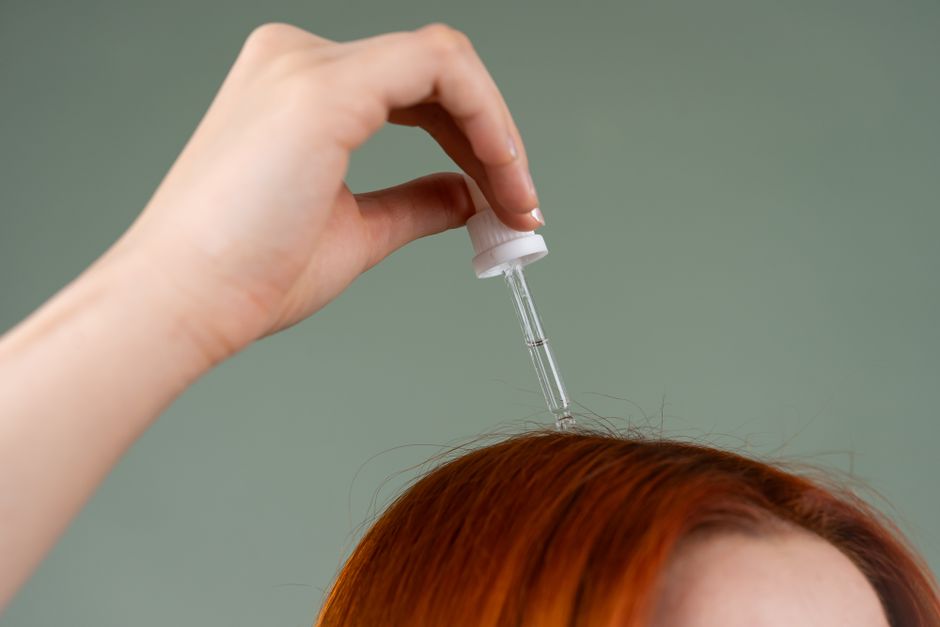
Getting paint out of hair is a frustrating problem, but it is usually solvable. The right approach depends entirely on the type of paint you are dealing with. Water-based paints like latex and acrylic can often be removed with warm water and dish soap. Oil-based paints require a solvent like mineral spirits or a gentle oil. The most important rule is to act quickly before the paint hardens, and to work gently to avoid damaging the hair shaft or irritating the scalp.
What Type Of Paint Is In Your Hair?
Before you do anything, you need to identify the paint. This determines every step you take next. Using the wrong remover can make the problem worse or damage your hair.
Water-based paint includes latex, acrylic, and most craft paints. These paints use water as the carrier. They are the easiest to remove, especially while still wet. The label on the paint can usually tells you if it is water-based. You can also wet a rag and rub the paint spot. If the color transfers to the rag, it is likely water-based.
Oil-based paint uses solvents like mineral spirits or alkyd resins. These are harder to remove and require stronger products. Enamel paints and many spray paints fall into this category. If the paint is glossy and does not react to water, it is probably oil-based.
If you are unsure, test the paint on a small section of hair first. Use a cotton swab with warm soapy water. If nothing happens, the paint is likely oil-based and you will need a different approach.
How To Get Wet Paint Out Of Hair
Wet paint is the best-case scenario. You have a real chance of removing it completely without any lasting damage. The paint has not yet bonded to the hair fibers, so you can break it down with simple products.
Start by rinsing the hair under warm water. Do not use hot water, as heat can set the paint. While the hair is wet, apply a generous amount of dish soap. Dish soap is designed to break down grease and oils, and it works well on water-based paint. Work the soap through the affected strands with your fingers. Do not scrub hard. Rubbing the paint vigorously can push it deeper into the hair cuticle.
Rinse and repeat if needed. Most wet latex or acrylic paint comes out after two or three washes with dish soap. Once the paint is gone, follow up with a regular shampoo and conditioner. The conditioner helps restore moisture to hair that has been stripped by the soap.
For wet oil-based paint, do not use water. Water will not break down the paint. Instead, use a small amount of mineral spirits or a citrus-based solvent on a cotton ball. Apply it to the paint spot and blot gently. Work in small sections. Wash the hair thoroughly with shampoo afterward to remove any solvent residue.
How To Get Dried Paint Out Of Hair
Dried paint is harder, but not impossible. The paint has hardened around the hair strands, forming a shell. Your goal is to soften that shell without damaging the hair underneath.
For dried water-based paint, soak the affected hair in warm water for several minutes. Add a few drops of dish soap to the water. The soaking helps rehydrate the paint. Once the paint softens, gently work it free with your fingers or a wide-tooth comb. Start at the ends of the hair and work toward the scalp. Pulling from the root can tear the hair.
For dried oil-based paint, you need a solvent. Mineral spirits, turpentine, or a commercial paint remover can soften the paint. Apply the solvent with a cotton ball and let it sit for a minute. The paint should begin to soften and lift away from the hair. Work slowly and carefully. These solvents are harsh, so keep them away from the scalp and eyes. Wash the hair thoroughly with a clarifying shampoo afterward.
If the paint is in a large clump, you may need to cut it out. This is not failure. Sometimes the paint has fully bonded to the hair and no product will safely remove it. Cutting out a small section of hair is safer than damaging the scalp or breaking the hair shaft.



Household Oils That Loosen Paint
Household oils are a gentler alternative to chemical solvents. They work by breaking the bond between the paint and the hair. They are especially useful for people with sensitive skin or for children who may not tolerate strong chemicals.
Coconut oil, olive oil, and baby oil are the most common options. Apply a generous amount to the painted hair and let it sit for 10 to 15 minutes. The oil penetrates the paint and softens it. After the wait, use a fine-tooth comb to gently lift the paint from the hair. The paint should slide off in small pieces.
This method takes longer than using solvents, but it is much gentler on the hair. It is a good first choice for dried acrylic paint or for paint that has been in the hair for more than a day. Some research suggests that oil can help condition the hair while loosening the paint, reducing the risk of breakage.
If the oil does not work after two attempts, move to a stronger method. Do not keep adding more oil hoping for a different result. The paint may have bonded too tightly for oil alone.
What Not To Do When Removing Paint From Hair
There are several common mistakes people make when trying to remove paint from hair. These mistakes can turn a fixable problem into permanent hair damage.
Do not use nail polish remover. Acetone is extremely harsh and will strip the hair of its natural oils. It can cause the hair to become brittle and break off. It can also irritate the scalp and cause chemical burns if left on too long.
Do not use hot water. Heat can cause the paint to set permanently into the hair cuticle. Warm water is fine, but boiling water or a hot shower will only make the paint harder to remove.
Do not scrub aggressively. Scrubbing with a brush or a rough cloth will damage the hair cuticle. The hair will look dull and frizzy even after the paint is gone. Gentle blotting and combing is always better.
Do not use a razor or scissors close to the scalp. If you must cut the paint out, cut only the painted strands. Keep the scissors away from the skin to avoid injury.
Do not mix chemicals. Combining different solvents can create toxic fumes or cause a chemical reaction. Stick to one method at a time and rinse thoroughly between attempts.
How To Get Spray Paint Out Of Hair
Spray paint is a special case because it is often oil-based and dries very quickly. The paint forms a thin, hard layer on the hair almost immediately. Time is critical here.
If the spray paint is still wet, blot it with a paper towel to remove the excess. Do not rub, as this spreads the paint. Then apply a solvent like mineral spirits or a citrus-based cleaner. Work the solvent into the hair and let it sit for a few minutes. The paint should soften enough to comb out.
If the spray paint has dried, the process is the same but takes longer. You may need to apply the solvent several times. Some people find that mayonnaise or a heavy conditioner works on dried spray paint because the oils in these products slowly break down the paint. This is a slower process but safer for the hair.
Spray paint can be stubborn. If the paint does not come out after several attempts, consider cutting out the affected strands. It is not worth damaging the rest of your hair.
When To See A Professional
Sometimes home methods are not enough. If you have been trying for more than an hour and the paint is not budging, it may be time to see a professional. A hairstylist has access to stronger products and knows how to use them safely.
This is especially important if the paint is near the scalp or if you have a sensitive scalp. Chemical solvents can cause irritation, redness, or burns if used incorrectly. A professional can assess the situation and recommend the safest option.
If the paint is in the hair for more than a few days, professional help is often the best choice. The paint has fully cured and may require products that are not available at home.
Do not feel embarrassed about asking for help. Hairdressers see this problem more often than you think, especially with children.
Preventing Paint From Getting In Hair
Prevention is always easier than removal. A few simple steps can save you hours of frustration.
Wear a shower cap or a bandana when painting. This is the most effective way to keep paint out of your hair. It also protects your scalp from paint splatter.
Tie long hair back in a ponytail or bun. This keeps hair away from your face and out of your work area. It also reduces the surface area that paint can land on.
Check the ceiling and walls before you start. Paint drips from above are a common cause of paint in hair. Cover your head if you are painting a ceiling or working under a surface that has wet paint.
If you get paint on your hair, stop and deal with it immediately. The longer you wait, the harder it is to remove. Even a two-minute delay can make a difference with fast-drying paints.
Frequently Asked Questions
Does dish soap really remove paint from hair?
Yes, dish soap is effective on wet water-based paint because it breaks down the oils and binders in the paint. It is less effective on dried paint or oil-based paint.
Can I use olive oil to get paint out of my hair?
Yes, olive oil can soften dried paint and help it slide off the hair shaft. Apply it generously, wait 10 to 15 minutes, and gently comb the paint out.
Is it safe to use nail polish remover on hair?
No, nail polish remover contains acetone which is too harsh for hair and can cause breakage and scalp irritation. Use a paint solvent designed for the specific paint type instead.
Will I have to cut my hair if the paint is dried?
Not always, but cutting may be necessary if the paint has fully bonded to the hair and no solvent can safely remove it. Cutting a small section is safer than damaging the scalp or breaking the hair shaft.
