
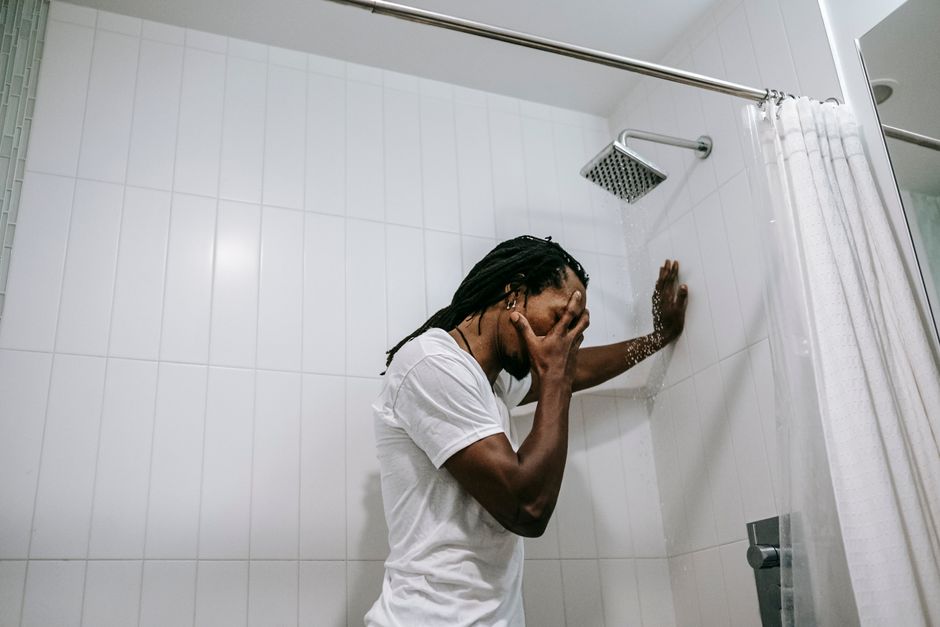
Bathroom anxiety is a real and treatable problem. It usually means fear of using a public restroom, fear of needing a bathroom when one isn’t available, or anxiety about bowel and bladder sounds and smells. It responds well to structured treatment, and most people who get help see real improvement.
The core issue is a loop. You feel anxious about your gut or bladder, the anxiety itself changes how those organs behave, and that makes the next trip to a bathroom feel even more threatening. Breaking that loop is the goal. It takes time, but the approach is well understood.
What Is Bathroom Anxiety, Exactly?
Bathroom anxiety is a specific fear centered on using the bathroom or on the possibility of needing one. It overlaps with social anxiety disorder, agoraphobia, and a condition called paruresis, which is difficulty urinating when others are nearby.
It is not one diagnosis. It is a pattern that can show up in several ways:
- Fear of using a public or shared bathroom, especially when others might hear or smell something
- Fear of being far from a bathroom, which can lead to avoiding travel, meetings, or social events
- Difficulty urinating in public restrooms, sometimes called shy bladder
- Intense worry about losing control of your bowels in public
These patterns share a common thread: the body’s stress response. When you are anxious, your nervous system shifts resources. Your gut slows down or speeds up unpredictably. Your bladder muscles tighten. You notice every sensation more. None of this is imaginary, and none of it means something is physically wrong.
One clarification worth making: bathroom anxiety is not the same as a medical problem with your gut or bladder. It can exist alongside one, but the anxiety itself is a separate issue that responds to psychological treatment. If you have not had digestive or urinary symptoms checked by a doctor, that is a sensible first step.
Why Does Anxiety Make Me Need the Bathroom More?
Anxiety directly changes how your gut and bladder work. This is well established physiology, not a sign of weakness.
Your body has a branch of the nervous system that manages digestion and bladder control. Under stress, that system gets disrupted. Blood flow shifts away from the gut. Muscle contractions in the intestines change. Many people feel urgency, cramping, or a churning stomach when anxious. Others feel like they need to urinate more often even when the bladder is not full.
Then attention does the rest. When you are worried about your gut, you scan your body constantly for signals. A normal gurgle that you would ignore on a calm day suddenly feels like a warning. This heightened attention is a documented feature of anxiety disorders. It makes ordinary sensations feel louder.
So the loop runs like this: worry triggers physical changes, attention amplifies them, and avoidance makes the whole thing worse over time. The more you avoid bathrooms or situations where one might not be available, the more your brain learns to treat them as dangerous.
How To Get Over Bathroom Anxiety For Good
The most effective approach is cognitive behavioral therapy, often called CBT. It is the best-studied psychological treatment for anxiety disorders, and it targets the exact loop described above.
CBT for bathroom anxiety typically works on several fronts at once:
- Gradual exposure. You practice using bathrooms in increasingly challenging situations, starting with ones that feel manageable. Over time your nervous system learns the situation is not dangerous.
- Reducing safety behaviors. These are the small things you do to feel safer, like scoping out exits, avoiding coffee before events, or only using a bathroom at home. They feel helpful but keep the fear alive.
- Challenging catastrophic thoughts. The fear usually rests on predictions like “everyone will notice” or “I will not make it.” A therapist helps you test those predictions against reality.
- Attention training. You learn to shift focus away from constant body scanning.
For paruresis specifically, a structured program called graduated exposure is often used, sometimes with behavioral techniques taught by a therapist. Some clinicians also use cognitive behavioral approaches delivered in group settings. The evidence base for treating social anxiety and specific phobias with CBT is strong. Evidence specifically for paruresis is smaller, though clinical practice and some studies support these approaches.
Medication can help too. Selective serotonin reuptake inhibitors are commonly prescribed for anxiety disorders and have good evidence for social anxiety. They are usually considered alongside therapy, not instead of it. A doctor or psychiatrist can advise on whether medication fits your situation.
There is no single timeline that applies to everyone. Some people notice change within weeks of starting therapy. Others need months. Recovery is usually gradual, and setbacks are normal. What matters is consistency.





What Makes Bathroom Anxiety Worse Over Time?
Avoidance is the main thing that keeps bathroom anxiety going. It feels like a sensible solution in the moment. In the long run it teaches your brain that bathrooms and travel really are dangerous.
Several habits tend to deepen the problem:
- Skipping social events, trips, or work commitments because of bathroom access
- Restricting food or drink before going out
- Only using bathrooms at home or in familiar places
- Repeatedly checking for bathroom locations or planning escape routes
- Reassurance seeking from friends or family
Each of these gives short-term relief and long-term reinforcement. The fear grows because it is never tested.
There is also a physical side. Long-term anxiety can affect sleep, digestion, and general stress levels. Some people develop irritable bowel symptoms that are partly stress-driven. This is not to say anxiety causes a digestive disease. It means stress and gut symptoms interact, and treating the anxiety often helps the gut symptoms too.
When Should I Get Professional Help?
Seek professional help when bathroom anxiety affects your daily life. That could mean avoiding work, turning down social plans, or feeling distressed most days.
Specific signs it is time to talk to someone:
- You are planning your day around bathroom access
- You avoid places or events you would otherwise enjoy
- The worry takes up a lot of mental space
- You feel shame or distress about it regularly
- It is affecting your relationships or work
Start with your primary care doctor. They can check whether a physical issue, such as a urinary or digestive condition, is contributing. They can also refer you to a therapist trained in CBT. In the US, a licensed psychologist, clinical social worker, or licensed counselor can provide this kind of therapy.
If you have thoughts of harming yourself, contact a crisis line right away. In the US you can call or text 988 to reach the Suicide and Crisis Lifeline.
Bathroom anxiety is not a character flaw. It is a treatable anxiety pattern. Many people improve significantly with the right support, and the earlier you address it, the less it tends to spread into other areas of life.
Can I Work On Bathroom Anxiety On My Own?
Self-help can be a reasonable starting point for mild anxiety. It is less reliable for moderate or severe cases, where guided therapy tends to work better.
Some approaches with reasonable support include:
- Reading evidence-based self-help materials based on CBT principles
- Practicing gradual exposure in small, planned steps
- Learning to notice and reduce safety behaviors
- Using relaxation and breathing techniques to manage the physical stress response
Be cautious with anything marketed as a quick fix. No supplement, device, or app has strong evidence for treating bathroom anxiety specifically. The evidence base sits with psychological therapy and, where appropriate, medication.
If self-help is not reducing your anxiety after a fair trial, that is a signal to involve a professional. There is no shame in that step. Therapy for anxiety is well established and widely available.
Frequently Asked Questions
Is bathroom anxiety a real condition?
Bathroom anxiety is not a formal diagnosis on its own, but it is a recognized pattern that overlaps with social anxiety disorder, agoraphobia, and paruresis. It is real and treatable.
What is the best treatment for bathroom anxiety?
Cognitive behavioral therapy is the best-studied treatment for anxiety disorders and targets the avoidance and thought patterns that keep bathroom anxiety going. Medication may also help and is usually considered alongside therapy.
Can bathroom anxiety go away on its own?
Mild cases sometimes improve, but avoidance usually keeps the fear going and can make it worse over time. Structured treatment tends to be more reliable than waiting.
How long does it take to get over bathroom anxiety?
There is no fixed timeline. Some people notice improvement within weeks of starting therapy, while others need months, and setbacks along the way are normal.
