
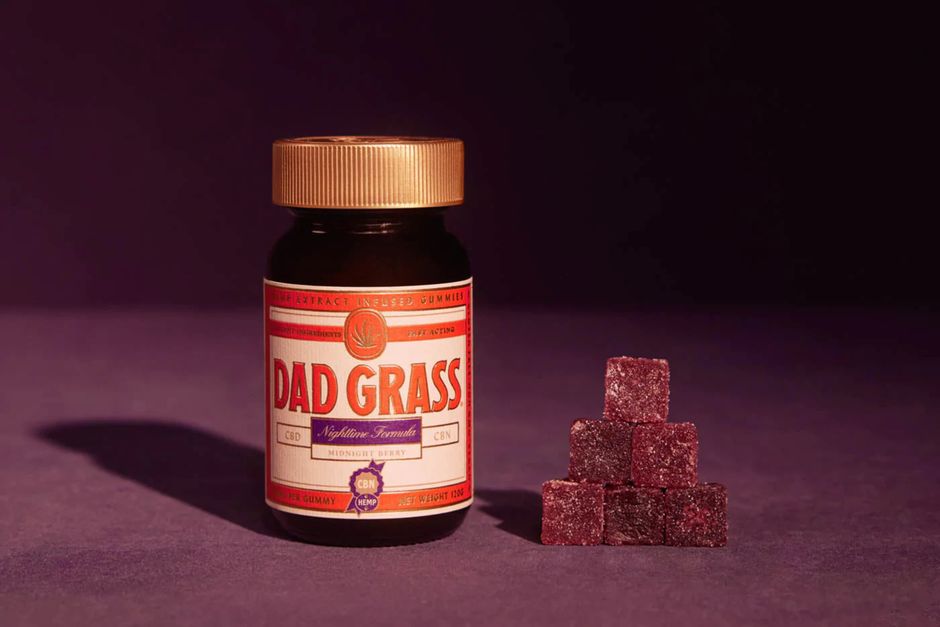
An edible hangover is the collection of symptoms — lingering grogginess, fatigue, dry mouth, headache, and a foggy head — that some people feel the morning after consuming cannabis edibles. The most reliable way to get through it is time, hydration, food, rest, and avoiding more cannabis until your body clears the remaining THC. There is no proven remedy that speeds up the breakdown of THC. What you can do is manage symptoms, reduce discomfort, and avoid making it worse.
Edibles are a different animal from smoked cannabis. The effects last longer, hit harder in some people, and can leave a residue that smoked cannabis rarely does. Understanding why helps you handle the next day more sensibly.
Why Do Edibles Cause a Hangover When Smoking Does Not?
Edibles produce a longer and often more intense effect than inhaled cannabis because of how the body processes them. When you swallow cannabis, THC travels through the digestive system and into the liver before reaching the bloodstream. The liver converts some THC into a more potent compound called 11-hydroxy-THC. This metabolite crosses into the brain more readily and is associated with the stronger, more body-heavy high that edibles are known for.
Inhaled THC goes from the lungs straight to the bloodstream and brain, bypassing that liver conversion. The effect arrives within minutes and fades within a few hours.
With edibles, the process is slower and longer. Onset can take anywhere from 30 minutes to two hours, sometimes longer depending on the food in your stomach. Peak effects may not arrive for several hours. The total duration is often six to eight hours or more, and some users report residual effects the following morning.
The hangover sensation comes from several factors. THC itself can leave a lingering grogginess as it clears from the system. Edibles are often consumed in larger doses than intended because the delayed onset tempts people to take more before the first dose has taken effect. Poor sleep quality during the high contributes to next-day fatigue. Dehydration and low blood sugar from not eating or drinking enough add to the picture.
There is no single “edible hangover” mechanism that researchers have formally defined. The term describes a cluster of symptoms rather than a diagnosed condition. What is well established is that THC metabolites can remain detectable in the body for days, though the intoxicating effect fades well before that.
What Are the Most Common Symptoms the Morning After?
Symptoms vary widely between people and depend heavily on dose, tolerance, and what else happened during the evening. Some people feel fine. Others feel distinctly off.
Common reports include:
- Grogginess or a “foggy” head that persists into the morning
- Fatigue and low energy despite a full night’s sleep
- Dry mouth
- Mild headache
- Nausea or reduced appetite
- Dizziness when standing up quickly
- Difficulty concentrating
- Irritability or low mood
These symptoms are not dangerous in themselves for most healthy adults. They are uncomfortable. The intensity tends to correlate with how much THC was consumed and how sensitive the person is to it.
One non-obvious point: cannabis can suppress REM sleep, the stage associated with dreaming and memory consolidation. Even if you slept eight hours, the quality of that sleep may have been lower than usual. That helps explain why the morning after an edible can feel like a poor night’s sleep even when the clock says otherwise.
How To Get Over an Edible Hangover the Next Day
There is no antidote. Your body clears THC on its own timeline, and nothing you eat, drink, or do will dramatically accelerate that process. What you can do is support your body while it does the work and reduce the symptom burden.
Here is what makes practical sense, ranked roughly by how much it is likely to help.
Drink water — steadily, not all at once
Dehydration is a real contributor to headache, dry mouth, and fatigue. Cannabis can reduce saliva production and may increase urine output in some people. Drink water throughout the morning. A large glass on waking, then small amounts every hour or so, is more effective than chugging a litre in one go. If you have been vomiting, an oral rehydration solution may help replace electrolytes, though most edible hangovers do not involve significant fluid loss.
Eat something simple
Low blood sugar can worsen fatigue, headache, and irritability. If you can eat, choose something plain and easy to digest — toast, crackers, rice, a banana, plain yogurt. Avoid heavy, greasy, or very spicy food if you feel nauseated. A small amount of protein and complex carbohydrate can help steady your energy through the morning.
Rest, and do not push through
If you can take it easy, do. Your brain is still clearing a psychoactive compound. Demanding tasks, driving, and operating machinery should wait until you feel fully back to baseline. The effects of edibles can last longer than people expect, and residual impairment is possible even when you feel mostly normal.
Caffeine — modest amounts only
A cup of coffee or tea may help with the foggy-headed feeling and mild fatigue. Keep it modest. Too much caffeine on a sensitive stomach can worsen nausea and anxiety. If you are already jittery or your heart is racing, skip it.
Fresh air and gentle movement
A short walk outside can help with mood, circulation, and the general sense of being unwell. Nothing strenuous. Gentle movement is not a cure, but it often helps people feel more human.
What about painkillers?
For a mild headache, an over-the-counter pain reliever such as acetaminophen or ibuprofen is an option for most healthy adults. Follow the label directions. Do not exceed the recommended dose, and check with a pharmacist if you take other medications or have liver or kidney conditions. There is no clinical evidence that any painkiller specifically treats an edible hangover — it simply addresses the headache symptom.
What Should You Avoid the Morning After?
Some common instincts make things worse.
Do not take more cannabis to “take the edge off.” This is the most common mistake. Adding more THC extends the cycle and can deepen the grogginess. The body needs time to clear what is already there.
Do not drink alcohol. Alcohol worsens dehydration and adds its own hangover burden. It also impairs judgment, which is the last thing you need when you are already foggy.
Do not drive. Even if you feel mostly recovered, residual THC can affect reaction time and attention. The safest rule is not to drive until you feel completely normal and are confident the effects have worn off.
Do not over-caffeinate or over-eat in an attempt to force yourself back to normal. Both can backfire.
When Should You Seek Medical Help?
Most edible hangovers resolve on their own within a day. Some situations warrant medical attention.
Seek help if you experience:
- Chest pain or a racing, irregular heartbeat that does not settle
- Severe vomiting or inability to keep fluids down
- Confusion, disorientation, or difficulty staying awake
- Fainting
- Severe anxiety or panic that does not ease
- Symptoms that persist well beyond 24 hours
Cannabis can trigger short-term psychosis or severe anxiety in some people, particularly at high doses. This is uncommon but documented. If someone is deeply distressed, paranoid, or not making sense, they should be assessed by a medical professional. Do not leave them alone.
For children who accidentally eat edibles, call poison control immediately. This is a medical emergency. Symptoms in children can be serious and require prompt assessment.
How Can You Prevent an Edible Hangover Next Time?
Prevention is far more reliable than treatment.
Start low and go slow. This is the standard advice from public health agencies and cannabis clinicians. Take a small dose, wait at least two hours before considering more, and be patient. The delayed onset of edibles is what catches people out.
Know your product. Legal edibles are required to state the THC content per serving and per package in many jurisdictions. Check the label. A single serving in many regulated markets is 10 mg or less of THC, and some clinicians suggest starting well below that. If you are new to edibles, a fraction of a standard serving is a sensible starting point.
Do not mix with alcohol. The combination increases impairment and worsens next-day symptoms.
Eat and hydrate beforehand. Having food in your stomach can slow absorption and soften the peak. Staying hydrated during the evening helps.
Plan for a long duration. Do not take an edible late in the evening if you have an early start. The effects can last well into the next morning.
One clarification worth making: there is no evidence that a specific food, supplement, or detox product speeds up THC clearance. Products marketed as “hangover cures” for cannabis have no clinical trials behind them. Time is the only reliable variable.
Frequently Asked Questions
How long does an edible hangover last?
Most people feel back to normal within 12 to 24 hours, though it can vary with dose, tolerance, and individual metabolism. Symptoms that persist beyond a day are unusual and may warrant a check-in with a clinician.
Does coffee help an edible hangover?
A modest amount of caffeine may help with fatigue and foggy thinking for some people. Too much can worsen nausea, anxiety, or a racing heart, so keep it small.
Can you sleep off an edible hangover?
Rest supports recovery, but sleep does not speed up THC clearance. It helps mainly by easing fatigue and giving your body time to recover.
Is it safe to take another edible to feel better?
No. Taking more cannabis extends the effects and can make the grogginess worse. Wait until you feel fully normal before considering any further use.
