
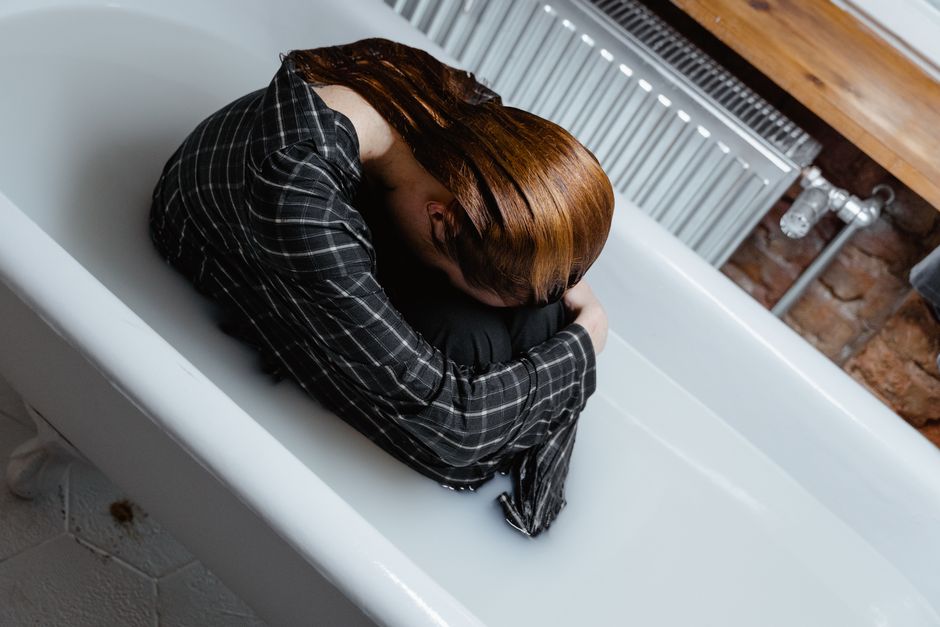
Getting out of a bipolar depressive episode is rarely about a single dramatic fix. It is about a structured, layered approach that combines medical treatment, daily routines, and honest self-awareness. The fastest and most reliable path involves contacting your psychiatrist or doctor to adjust medication, while simultaneously protecting your sleep and breaking the day into small, manageable tasks. You are not looking for a sudden cure; you are building a bridge out of the darkness, one plank at a time.
What Is A Bipolar Depressive Episode?
A bipolar depressive episode is a distinct period of low mood and reduced energy that meets specific clinical criteria. It is not the same as feeling sad for a few days. The symptoms are persistent, often lasting at least two weeks, and they interfere with work, relationships, and basic self-care.
During this state, the brain’s neurotransmitter systems—particularly dopamine, serotonin, and norepinephrine—are functioning differently than during a stable or manic phase. This is a biological event, not a character flaw or a sign of weakness. Understanding this distinction matters because it shapes how you approach recovery. You cannot will yourself out of a biochemical shift, but you can create conditions that support your brain’s return to balance.
How To Get Out Of A Bipolar Depressive Episode
The most effective strategy is a combination of professional treatment and structured self-management. No single technique works alone. Medications such as mood stabilizers, atypical antipsychotics, or specific antidepressants are often the foundation. If you are already on medication, do not stop it. Contact your prescriber promptly—dose adjustments are common during episodes and can shorten their duration.
Beyond medication, focus on what you can control. Sleep is the single most powerful lever. Going to bed and waking at the same time every day, even on weekends, helps stabilize circadian rhythms that are often disrupted during depression. Light exposure in the morning also helps regulate mood-related brain chemistry.
Then, shrink your goals. A goal for today might be showering, eating three meals, or taking a ten-minute walk. These are not trivial. They are therapeutic actions that rebuild the neural pathways associated with reward and motivation.
Why Routine Matters More Than Motivation
Motivation is usually absent during a depressive episode. Waiting for it to return before acting is a trap. Behavioral activation—a well-studied therapeutic technique—works on the opposite principle. Action comes first; motivation follows.
Start with activities that give a small sense of accomplishment or pleasure. They do not need to be meaningful. Watching a favorite show, folding laundry, or calling a friend for five minutes all count. The goal is to re-engage with life at a level that feels possible, not impressive.
Research consistently shows that behavioral activation is as effective as cognitive therapy for many people with depression. It works by breaking the cycle where low mood leads to withdrawal, which then deepens the low mood. Reversing that cycle requires consistent, small actions repeated over days and weeks.





Medication And Professional Support
Do not attempt to manage a bipolar depressive episode without professional input. The risks of untreated depression include worsening symptoms, suicidal thoughts, and a possible switch into mania or hypomania—especially if treated with antidepressants alone.
Mood stabilizers like lithium and lamotrigine are commonly used to prevent and treat depressive episodes. Atypical antipsychotics such as quetiapine, lurasidone, and cariprazine also have evidence for treating bipolar depression. Your doctor will choose based on your history, side effect profile, and current symptoms.
Therapy is another pillar. Cognitive behavioral therapy (CBT) helps identify and challenge distorted thoughts that fuel hopelessness. Interpersonal and social rhythm therapy (IPSRT) focuses on stabilizing daily routines and sleep, which directly targets the biological vulnerabilities in bipolar disorder.
Sleep, Light, And Daily Structure
Sleep disruption is both a symptom and a trigger of bipolar episodes. During depression, people often sleep too much or too little. Both patterns destabilize mood. Aim for a consistent sleep window of seven to nine hours. If oversleeping is an issue, set an alarm and get up at the same time regardless of how tired you feel.
Morning light exposure is another practical tool. Bright light in the first hour after waking helps regulate the suprachiasmatic nucleus, the brain’s internal clock. Some research suggests it can improve depressive symptoms, though evidence in bipolar disorder is less robust than in seasonal depression. If you try light therapy, do it under your doctor’s guidance—it carries a small risk of triggering mania.
Structure your day with a written schedule. Include fixed times for meals, medication, hygiene, and one or two simple tasks. This external structure compensates for the internal structure that depression erodes.
What Not To Do During An Episode
Certain actions can prolong or worsen a depressive episode. Alcohol is a central nervous system depressant. Even small amounts can deepen low mood and interfere with sleep architecture. It also interacts unpredictably with psychiatric medications. Avoid it entirely during an episode.
Do not make major life decisions. Depression distorts judgment and magnifies negative interpretations. Quitting a job, ending a relationship, or moving house during an episode often leads to regret. If a decision cannot wait, involve a trusted person whose judgment you respect.
Avoid complete social withdrawal, even though it feels natural. Isolation feeds depression. You do not need to be entertaining or cheerful. Simply being around others—even in silence—provides a grounding effect that counters the pull toward rumination.
When To Seek Emergency Help
Bipolar depression carries a real risk of suicide. If you have thoughts of harming yourself, or if you have a plan and the means to act on it, this is a medical emergency. Call 988 in the United States to reach the Suicide and Crisis Lifeline. If you are in immediate danger, go to an emergency room or call 911.
Warning signs that require urgent attention include: expressing hopelessness about the future, giving away possessions, saying goodbye to people, sudden calm after a period of agitation, or increased use of alcohol or drugs. Do not dismiss these as attention-seeking. Take them seriously and get help.
Support From Family And Friends
Loved ones often want to help but do not know how. Tell them specifically what you need. This might mean help with meals, someone to sit with you, or simply not being asked “how are you feeling?” a dozen times a day.
Family members should understand that they cannot fix the episode. Their role is to provide stability, encouragement, and practical support. They can also help monitor for warning signs of worsening depression or a switch toward mania, such as decreased need for sleep, rapid speech, or impulsive behavior.
If you are the support person, encourage treatment adherence without nagging. Offer to attend appointments. Learn about the condition so you can recognize patterns. And take care of your own mental health—supporting someone through a bipolar episode is demanding.
Can Lifestyle Changes Actually Stop An Episode?
Some evidence suggests that lifestyle changes can shorten episodes and reduce their severity, but they are not a substitute for medical treatment. Regular aerobic exercise, for example, has antidepressant effects in unipolar depression, and some studies suggest similar benefits in bipolar depression. The challenge is finding the energy to exercise when depression saps motivation.
Start with what is possible. A five-minute walk counts. Three times a week is better than none. The goal is not athletic performance—it is physiological regulation. Exercise increases brain-derived neurotrophic factor (BDNF), a protein that supports neuron health and is often reduced during depressive episodes.
Nutrition also matters, though evidence is less definitive. A Mediterranean-style diet rich in vegetables, fruits, whole grains, and fish is associated with lower depression risk in population studies. Omega-3 fatty acids have been studied as an adjunctive treatment for depression, but results are mixed. No specific diet has been proven to cure bipolar depression.
How Long Does A Bipolar Depressive Episode Last?
Untreated bipolar depressive episodes typically last longer than manic episodes—often several months. With appropriate treatment, many people see significant improvement within six to eight weeks, though full recovery can take longer. The exact duration varies widely from person to person and episode to episode.
It helps to remember that this episode is temporary, even when it does not feel that way. Depression distorts time perception, making the present suffering feel permanent. Tracking symptoms daily—mood, energy, sleep, irritability—can provide objective evidence of gradual improvement that your depressed brain might otherwise dismiss.
Frequently Asked Questions
Can I get out of a bipolar depressive episode without medication?
Some people manage milder episodes with therapy, sleep stabilization, and routine alone, but medication is the standard of care for moderate to severe depression. Discuss any desire to avoid medication with your psychiatrist before making changes.
How long does it take to recover from a bipolar depressive episode?
With treatment, noticeable improvement often occurs within six to eight weeks, but full recovery can take several months. The timeline varies based on episode severity, treatment adherence, and individual biology.
What should I do if I feel my medication is not working?
Contact your prescribing doctor immediately—do not adjust or stop medication on your own. Dose changes or adding a second medication are common strategies, and abrupt discontinuation carries significant risks.
Is it safe to use light therapy for bipolar depression?
Light therapy may help some people, but it carries a small risk of triggering mania or mixed states. Use it only under the supervision of a psychiatrist who knows your history.
