
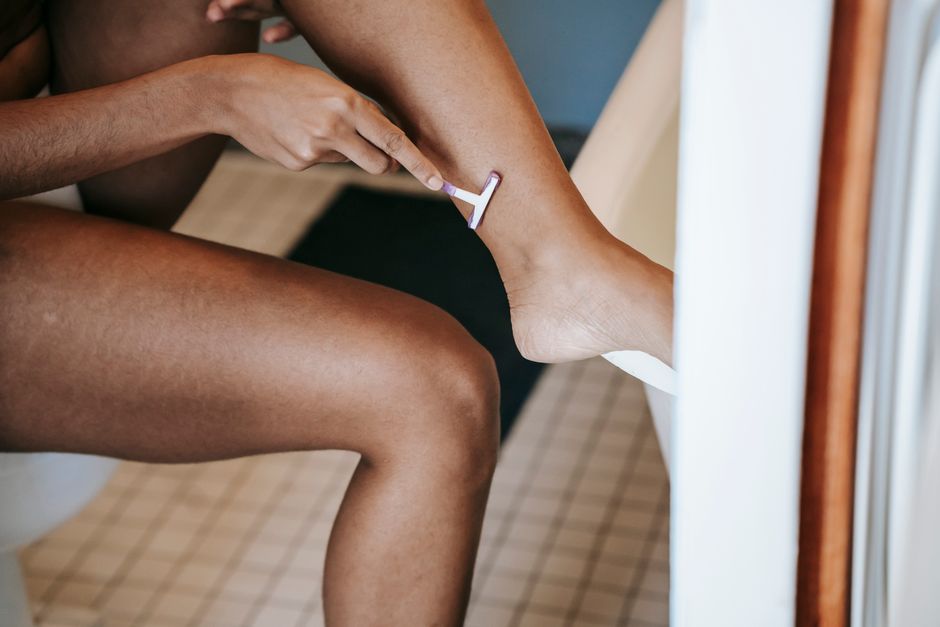
An ingrown hair happens when a hair curls back and grows into the skin instead of up and out. The safest way to get one out at home is to stop shaving that area, apply a warm compress for 10-15 minutes to soften the skin, and then use sterilized tweezers to gently lift the looped end if it is visible. Never dig into the skin or pop the bump like a pimple — that increases the risk of infection and scarring.
What Causes An Ingrown Hair?
Ingrown hairs are most common in areas where hair is thick or curly. The beard, neck, legs, armpits, and bikini line are typical spots. When a hair is cut very short, it can grow back at an angle and pierce the skin.
Shaving is the main trigger. Close shaving leaves a sharp tip on the hair. That sharp tip easily re-enters the skin as the hair grows. Waxing and plucking can also cause ingrown hairs if the hair breaks off below the skin surface.
Tight clothing can make the problem worse. Friction from fabric presses the hair back toward the skin. People with naturally curly hair are more prone to this condition because the curled shape encourages the hair to re-enter the skin.
How To Get Out An Ingrown Hair Safely At Home
The goal is to expose the trapped hair without cutting or damaging the skin. Start with a warm compress. Soak a clean cloth in warm water and hold it against the area for 10 to 15 minutes. This softens the skin and helps the hair loop rise closer to the surface.
Wash your hands thoroughly. Clean the area with rubbing alcohol or an antiseptic wipe. Sterilize your tweezers with alcohol as well.
Look at the bump under good lighting. You are looking for a visible hair loop or tip. If you can see it, use the tweezers to lift the loop gently upward. Do not pull the hair all the way out. Just free the tip from the skin.
If you cannot see the hair, do not dig for it. Digging creates an open wound and invites bacteria in. Instead, continue warm compresses once or twice daily. The hair often surfaces on its own within a few days.
After freeing the hair, clean the area again and apply a mild antibiotic ointment if you have one. Leave the area alone. Let the skin heal naturally.
What Should You Not Do?
Never squeeze an ingrown hair like a pimple. Squeezing pushes bacteria deeper into the skin and can turn a minor irritation into a painful infection. It also raises the risk of permanent dark spots or scarring.
Do not use a needle to dig the hair out. This technique is sometimes shown online, but it creates a puncture wound and carries infection risk. The skin barrier is broken, and you have no way to sterilize the deeper tissue.
Do not keep shaving the area while the ingrown hair is active. Shaving over the bump irritates it further and can re-trap the hair. Wait until the skin has healed completely.
Avoid picking at the area with fingernails. Fingernails carry bacteria even when they look clean. Repeated touching also increases inflammation and delays healing.

Signs Of Infection And When To See A Doctor
Most ingrown hairs resolve on their own within one to two weeks. Some become mildly inflamed and look red or swollen. That is normal. But there is a line between irritation and infection.
See a doctor if the area becomes increasingly painful, if redness spreads, if you see pus or yellow drainage, or if the bump grows larger despite home care. Fever is another warning sign.
People with diabetes or weakened immune systems should be more cautious. Minor skin infections can become serious more quickly in these groups. If an ingrown hair is not improving after several days of home treatment, a medical evaluation is reasonable.
A doctor can remove a deeply embedded hair with a sterile blade. They can also prescribe antibiotics if an infection is present. Do not wait for a serious infection to develop before seeking help.
How To Prevent Ingrown Hairs
Prevention is more effective than treatment. The simplest change is to shave less frequently. Longer hair has a better chance of growing out straight.
When you do shave, prepare the skin first. Shave after a warm shower when the hair is soft. Use a sharp razor — dull blades tug at the hair and increase the chance of breakage below the skin.
Shave in the direction of hair growth. This does not give the closest shave, but it reduces the chance of the hair re-entering the skin. If you need a closer shave, go against the grain only on the final pass.
Do not stretch the skin tight while shaving. Stretching makes the hair retract below the skin line when the blade passes. When the skin relaxes, the hair is already trapped.
Exfoliating gently a few times per week can help. A soft washcloth or a mild scrub removes dead skin cells that can block hairs from emerging. Do not scrub aggressively — irritated skin makes ingrown hairs more likely.
Moisturizing after shaving also helps. Well-hydrated skin is softer and allows hairs to grow out more easily.
Do Home Remedies Actually Work?
Some home remedies have real evidence behind them. Warm compresses and proper hygiene are supported by basic wound care principles. Keeping the area clean and moisturized reduces infection risk.
Other popular remedies are less reliable. Tea tree oil is often recommended, but clinical evidence for treating ingrown hairs specifically is limited. It may help with mild inflammation, but it can also irritate sensitive skin. Dilute it if you try it.
Aspirin masks and other DIY exfoliants are not well studied for this purpose. They can cause chemical burns if left on too long. The risk is not worth the unproven benefit.
Over-the-counter products containing salicylic acid or glycolic acid are sometimes used to exfoliate the area. Some dermatologists recommend them, but results vary. Start with a low concentration and test on a small area first.
Frequently Asked Questions
Can I pop an ingrown hair like a pimple?
No. Squeezing pushes bacteria deeper into the skin and increases the risk of infection and scarring. Let the hair surface on its own or lift it gently with sterilized tweezers.
How long does an ingrown hair take to go away?
Most ingrown hairs resolve within one to two weeks with warm compresses and proper hygiene. If it is not improving after several days or shows signs of infection, see a doctor.
Does pulling the hair out completely fix the problem?
No. Pulling the hair out completely can cause the follicle to become irritated and the new hair may grow back ingrown again. The goal is to free the trapped tip, not remove the hair.
Will ingrown hairs leave permanent scars?
Mild cases usually heal without permanent marks. Repeated picking or squeezing can cause dark spots or scarring that may take months to fade.
