
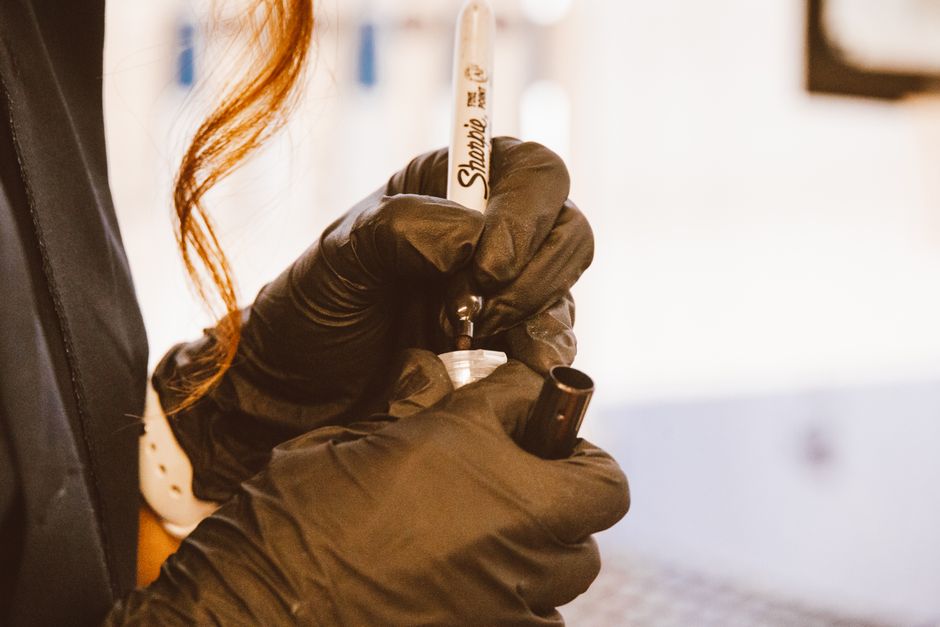
Permanent marker ink is designed to stay put, which is why Sharpie on skin can survive several hand washings. The good news: you can usually remove it at home with items already in your kitchen or bathroom. Rubbing alcohol works fastest, followed by hand sanitizer, oily products like baby oil or petroleum jelly, and plain soap and warm water for lighter marks. The ink sits mostly on the surface of the skin, so removal is about dissolving it, not scrubbing it off.
One warning before you start: skip harsh solvents, nail polish remover on large areas, and anything that stings. Skin is a barrier, and breaking it to remove ink is a bad trade.
How To Get Off Sharpie From Skin
Permanent marker ink is not actually permanent on skin. The dye binds to the outer layer of dead skin cells, and that layer sheds on its own within days. Removal methods simply speed up what your skin would do anyway.
The most effective approach is a solvent that dissolves the ink so you can wipe it away. Here is how the common options compare.
- Rubbing alcohol (isopropyl alcohol): The most reliable option. Soak a cotton ball or paper towel, press it against the mark for a few seconds, then wipe gently. Most marker ink lifts quickly.
- Hand sanitizer: Works for the same reason — most sanitizers are alcohol-based. Apply, let it sit briefly, then rub with a cloth or paper towel.
- Baby oil, mineral oil, or petroleum jelly: The oils help loosen ink so it wipes away. This takes more rubbing than alcohol but is gentler on sensitive skin.
- Soap and warm water: Good for light marks and as a final step. On its own, it often will not fully remove a fresh, bold mark.
- Alcohol-based hairspray: An old household trick. It can work because of the alcohol content, but it leaves a sticky residue and is less predictable than plain rubbing alcohol.
Whichever you choose, test on a small area first if your skin is sensitive. Wipe in one direction rather than scrubbing back and forth, and rinse with soap and water when you are done.
Does Rubbing Alcohol Really Remove Sharpie From Skin?
Yes. Rubbing alcohol is the most dependable household option for removing permanent marker from skin. The reason comes down to chemistry: permanent marker dyes dissolve in alcohol, which is why the ink resists water but lifts when alcohol touches it.
Here is the practical method:
- Soak a cotton ball or folded paper towel with isopropyl alcohol.
- Hold it against the mark for several seconds so the alcohol can soften the ink.
- Wipe firmly but gently. Repeat with a fresh cotton ball if needed.
- Wash the area with soap and water afterward to remove residue.
Isopropyl alcohol can dry out skin with repeated use, so keep it to the marked area and moisturize afterward if your skin feels tight. Avoid it on broken skin, cuts, or rashes — it will sting and slow healing.
What Household Items Remove Permanent Marker From Skin?
Several everyday products work because they contain alcohol or oils that dissolve or loosen the ink. You likely have at least one of these within arm’s reach.
- Hand sanitizer: Often the easiest option when you are not near a bathroom. Apply a small amount, rub gently, then wipe clean.
- Baby oil or mineral oil: Massage a few drops into the mark, wait a minute, then wipe with a soft cloth. Good for children and sensitive skin.
- Petroleum jelly: Similar to baby oil. It loosens the ink so it wipes away with less friction.
- Alcohol-based hairspray: Spray onto a cotton ball, not directly onto skin, then wipe. Rinse well afterward.
- White vinegar: Some people find it helps with light marks, though it is generally less effective than alcohol. The evidence here is anecdotal, not tested in studies.
- Body lotion or sunscreen: Oily formulas can gradually break down ink. Expect slower results than alcohol.
A note on the popular “draw over it with a dry-erase marker” trick: it is widely shared online, but there is no good evidence it works on skin. Dry-erase markers contain different solvents than permanent markers, and the technique is more reliable on hard surfaces like whiteboards than on skin. Stick with alcohol or oil.
How Do You Remove Sharpie From Skin Without Alcohol?
If you do not have alcohol or your skin reacts to it, oil-based methods are the main alternative. Baby oil, mineral oil, petroleum jelly, and even cooking oil can loosen permanent marker ink so it wipes away.
Massage the oil into the marked area, let it sit for a minute or two, then wipe firmly with a soft cloth or paper towel. You may need a few rounds for a bold mark. Finish with soap and warm water to remove the oil.
Oil is slower than alcohol and may not remove every trace in one pass, but it is gentle and safe for most skin types, including children’s skin. For very sensitive skin, this is often the better first choice.
If neither alcohol nor oil works, time will do the job. The ink sits on the outer layer of skin cells, which naturally shed within a few days. Washing normally and waiting is a legitimate option — especially for small marks in visible spots you can cover with clothing.
What Should You Avoid When Removing Marker From Skin?
Some removal methods do more harm than good. The ink is harmless on intact skin; the damage usually comes from what people use to remove it.
- Nail polish remover (acetone): It can dry and irritate skin, especially over larger areas. It is not a first choice for skin, and it should never be used near the eyes or mouth.
- Bleach or other strong cleaners: Never use these on skin. They can cause chemical burns.
- Harsh scrubbing with abrasive pads: This can break the skin barrier and lead to irritation or infection. Wipe gently instead.
- Solvents near the eyes, mouth, or broken skin: Keep alcohol and other solvents away from these areas. If marker gets near the eye, flush with water and seek medical advice.
If your skin becomes red, swollen, or itchy after removal, stop and wash with plain soap and water. Persistent irritation warrants a call to a doctor or pharmacist.
Is Sharpie Ink on Skin Dangerous?
For most people, a mark from a standard Sharpie on intact skin is not a health concern. Sharpie markers are not marketed as body-safe cosmetics, but occasional skin contact from normal use is not considered dangerous.
The bigger risk is exposure to the solvent fumes, not the ink on skin. Markers release volatile organic compounds as they dry, which is why they carry a “use in a well-ventilated area” instruction. Sniffing markers or using them in enclosed spaces repeatedly is a different matter from getting ink on your hand.
Children are the exception worth watching. Kids sometimes draw on themselves or each other, and young children may put marker tips or inked fingers in their mouths. If a child swallows marker ink or shows signs of illness after exposure, contact Poison Control right away. Do not wait for symptoms to worsen.
If you have a known allergy or sensitive skin, patch-test any removal product on a small area first. And if a mark will not come off and you are worried, a pharmacist is a good first stop for advice.
Frequently Asked Questions
Does hand sanitizer remove Sharpie from skin?
Yes, most hand sanitizers contain alcohol, which dissolves permanent marker ink. Apply a small amount, rub gently, and wipe with a cloth or paper towel.
Can I use nail polish remover to get Sharpie off my skin?
It can work, but acetone dries and irritates skin and is not recommended as a first choice. Rubbing alcohol or oil-based products are gentler options.
How long does Sharpie stay on skin if I do nothing?
Usually a few days. The ink sits on the outer layer of skin cells, which shed naturally over that time, though normal washing may fade it sooner.
Is it safe to leave Sharpie ink on my skin?
For most people, a mark on intact skin is not a health concern. Keep markers away from the eyes and mouth, and contact Poison Control if a child swallows ink.
