
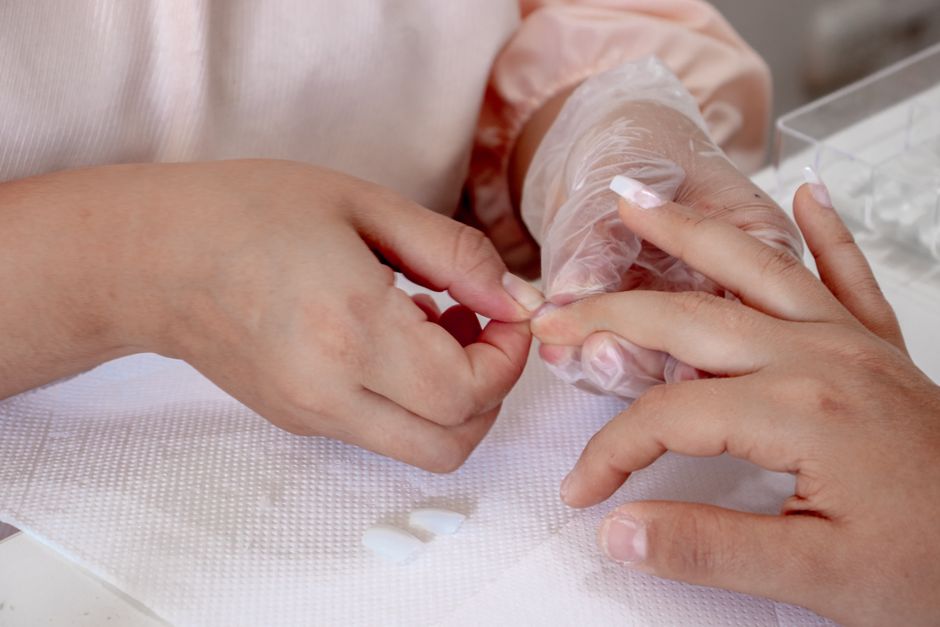
Getting a nail off that is partially torn, broken, or lifting can be annoying and a little painful. The best method depends on whether the nail is already loose, completely detached, or still firmly attached. For a nail that is already separating or has a small tear, the safest approach is to trim the loose part with clean nail clippers or cuticle scissors and file the edge smooth. Never pull or yank a nail that is still attached at the base or sides — that can damage the nail bed and cause bleeding or infection. If the nail is completely detached but still hanging on, soak your finger or toe in warm water for 10 to 15 minutes to soften the area, then gently lift the nail away with tweezers. For nails that are still firmly attached, do not force them off. Instead, protect the area with a bandage and let the nail grow out naturally, trimming the loose edge as it progresses.
What Causes a Nail to Start Lifting or Detaching?
Nails can lift or detach for several reasons. The most common cause is a direct injury, like catching your nail on something, slamming it in a door, or dropping something heavy on it. This type of trauma can cause a blood blister (subungual hematoma) or partial separation from the nail bed.
Fungal infections are another frequent cause. The CDC reports that fungal nail infections affect about 10% of the general population. The infection grows under the nail, causing it to thicken, discolor, and eventually lift away from the skin beneath. Repeated pressure from ill-fitting shoes or repetitive activities like running can also cause nails to separate over time.
Less common causes include psoriasis, certain medications like chemotherapy drugs, or thyroid conditions. If you notice a nail lifting without any injury or obvious cause, it is worth mentioning to your doctor. They can check for underlying health issues that might be contributing.
How To Get Off Nails Safely Without Damaging the Nail Bed
The nail bed is the sensitive skin under your nail. It contains nerve endings and blood vessels. Damaging it can lead to pain, bleeding, infection, or permanent nail deformity. The goal is to remove the loose part without harming this area.
Start by washing your hands or feet with soap and warm water. This reduces the risk of bacteria entering the exposed nail bed. Use clean tools — nail clippers, cuticle scissors, or tweezers — wiped with rubbing alcohol. If the nail is only partially detached, clip the loose section as close to the attachment point as possible. Do not cut into the skin or the area where the nail is still firmly attached.
For a nail that is mostly detached but still connected at one corner or the cuticle, soaking is your best friend. Soak the digit in warm water mixed with a little salt or mild soap for 10 to 15 minutes. This softens the remaining attachment. Gently lift the nail with tweezers, working from the free edge toward the cuticle. If it resists, stop and soak again. Never force it.
After removal, clean the area with mild soap and water. Apply a thin layer of antibiotic ointment if you have it, and cover with a sterile bandage. Change the bandage daily and watch for signs of infection like increased redness, swelling, or pus.
What Does Research Say About Nail Removal at Home?
There is not a large body of research specifically on home nail removal because most clinical evidence focuses on medical nail removal (nail avulsion) performed by podiatrists or dermatologists. However, the general principles of wound care and infection prevention apply directly.
Research published in the Journal of the American Academy of Dermatology emphasizes that pulling or tearing a partially attached nail can cause a “nail bed avulsion” — a deeper injury that takes longer to heal and increases infection risk. The same research notes that soaking and gentle trimming result in faster healing and fewer complications compared to forceful removal.
Some studies suggest that keeping the exposed nail bed moist with petroleum jelly or a hydrogel dressing speeds up healing and reduces pain. The American Academy of Dermatology recommends covering the area until new skin forms, which typically takes 7 to 10 days. There is no evidence that home remedies like vinegar soaks or tea tree oil help remove a nail faster or prevent infection better than simple soap and water.




When Should You See a Doctor Instead of Removing the Nail Yourself?
Most nail injuries can be handled at home. But some situations need a medical professional. You should see a doctor if the nail is lifting because of a fungal infection that has not responded to over-the-counter treatments. A podiatrist can prescribe oral antifungal medication that treats the infection from the inside out.
If the injury caused the nail to lift more than halfway back from the tip, the nail bed may be damaged. A doctor can examine it and decide if stitching or other repair is needed. Bleeding that does not stop after 15 minutes of direct pressure also requires medical attention.
Signs of infection — spreading redness, warmth, pus, or a fever — mean you need antibiotics. People with diabetes or peripheral artery disease should always see a doctor for nail injuries. Their reduced blood flow and slower healing make infections more dangerous. The American Diabetes Association advises that any foot injury in someone with diabetes should be evaluated by a healthcare provider.
Common Mistakes People Make When Trying to Remove a Nail
The most common mistake is pulling the nail off before it is ready. This tears the nail bed and often causes bleeding that could have been avoided. Another mistake is using unsterile tools. Nail clippers and tweezers that have been sitting in a bathroom drawer can carry bacteria. Wipe them with rubbing alcohol first.
Some people try to dissolve the nail with nail polish remover containing acetone. This does not work on healthy nails and can irritate the skin around the nail bed. Acetone is designed to remove nail polish, not the nail itself. Using it on an open area stings and slows healing.
Biting or chewing the nail off is another bad habit. Mouth bacteria are different from skin bacteria and can cause a different type of infection. It also puts uneven pressure on the nail bed, increasing the chance of damage.
Finally, leaving the area uncovered after removal is a mistake. The exposed nail bed is vulnerable to dirt and bacteria. A simple bandage keeps it clean and reduces pain from rubbing against socks or gloves.
How To Get Off Nails That Are Stuck or Ingrown
An ingrown nail is different from a lifting nail. The nail grows into the skin instead of lifting away from it. This is most common on big toes. Trying to “get off” an ingrown nail by cutting it out yourself can make things worse. The American College of Foot and Ankle Surgeons warns that home surgery often leads to infection and recurrence.
For mild ingrown nails, soak the foot in warm water with Epsom salt twice a day. Gently lift the edge of the nail and place a small piece of cotton or dental floss under it to encourage it to grow above the skin. Do not cut the nail into a curve — cut it straight across. If the area becomes red, swollen, or painful, see a podiatrist.
For nails that are stuck because of thick fungal growth, do not try to pry them off. Treat the fungus first. Over-the-counter antifungal creams can help mild cases. For stubborn infections, prescription oral medication is more effective. Once the fungus clears, the nail often grows back normally and the separation resolves on its own.
| Method | Best For | Key Risk |
|---|---|---|
| Trimming loose edge | Partial detachment | Cutting too close to nail bed |
| Soaking + gentle lifting | Near-complete detachment | Forcing if nail resists |
| Medical removal | Fungal infection, ingrown nail | Infection if done at home |
| Letting it grow out | Firmly attached nail | None if kept clean |
How to Prevent Nail Injuries and Lifting in the Future
Prevention is straightforward. Keep your nails trimmed straight across and file any sharp edges. Long nails catch on things more easily. Wear properly fitting shoes with enough room in the toe box. If you run or hike, make sure your shoes are not too tight — repetitive pressure can cause nail lifting over time.
Protect your hands during physical work. Gardening, construction, or even lifting weights can put your nails at risk. Gloves are a simple solution. Keep your nails dry and clean. Moisture trapped under the nail creates a breeding ground for fungus, which can cause lifting.
If you get a minor injury to the nail, treat it right away. Clean the area, apply a bandage, and avoid putting pressure on it for a few days. Early care prevents small problems from becoming bigger ones.
Frequently Asked Questions
Can I just pull off a nail that is already lifting?
No, pulling a lifting nail can tear the nail bed and cause bleeding or infection. Trim the loose part instead.
How long does it take for a nail to grow back after removal?
A fingernail takes about 4 to 6 months to fully regrow. A toenail can take 12 to 18 months.
Is it safe to use nail polish remover to loosen a nail?
No, acetone nail polish remover will not loosen a healthy nail and can irritate the skin. Stick to soaking in warm water.
Should I see a doctor for a nail that lifted from a fungal infection?
Yes, if over-the-counter antifungal treatments have not worked after a few weeks, a doctor can prescribe stronger medication.
