
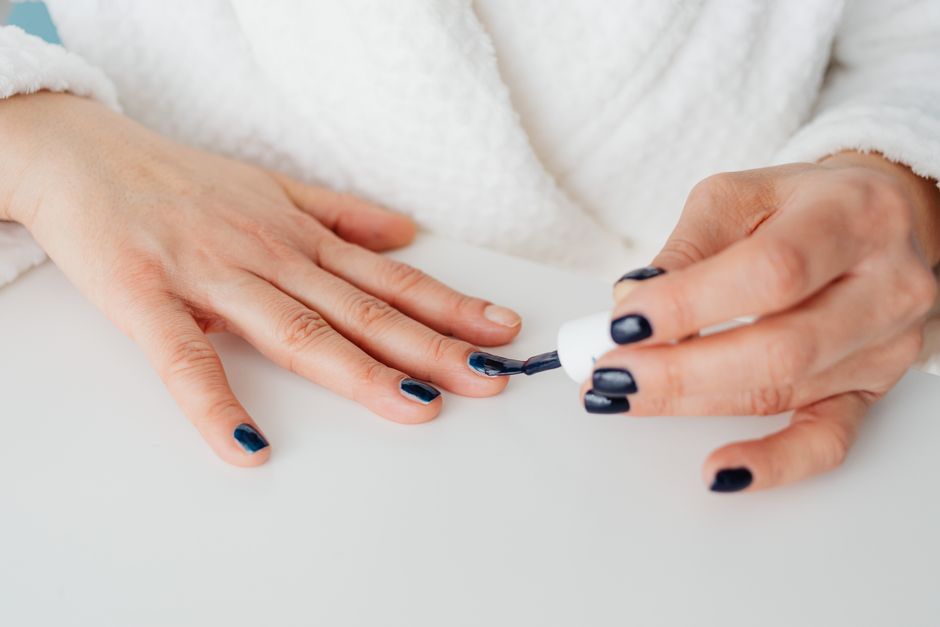
Nail polish on fabric is a solvent problem, not a soap problem. Water and detergent cannot dissolve dried polish because the pigment and resin are locked in a film that water alone will not break down. The fix is to dissolve the polish with a solvent before it sets, working from the back of the fabric, and to treat the stain while it is still wet whenever possible. Once the polish has fully cured, the job gets harder but is often still doable.
How To Get Nail Polish Out Of Fabric: The Steps That Work
Act fast. Fresh polish comes out far more easily than a stain that has sat for a week. The method below is the standard approach for washable fabrics.
- Blot, do not rub. Rubbing pushes pigment deeper into the weave and spreads the stain. Lift off any wet polish with a spoon or dull knife.
- Test a hidden spot first. Apply a little solvent to an inside seam or hem. Wait a few minutes. Check for color loss or damage before you touch the visible stain.
- Place the fabric face down on a stack of paper towels. You are pushing the polish out the back, not scrubbing it through the front.
- Apply acetone or non-acetone polish remover to the back of the stain with a cotton ball.
- Press and blot. Do not rub. Change the paper towel underneath as it picks up color.
- Repeat with fresh cotton balls until no more color transfers.
- Rinse the area, then launder as the care label allows.
- Air-dry and check before putting it in the dryer. Heat can set any remaining stain permanently.
The single most common mistake is drying the garment before confirming the stain is gone. If any polish remains and you run it through a hot dryer, you have likely made the stain permanent.
Does Acetone Damage Fabric?
Acetone dissolves nail polish quickly, but it also dissolves some fabrics. That is the trade-off. Acetone is a strong solvent, and certain fibers are themselves solvent-sensitive plastics.
Acetone will damage or destroy these materials:
- Acetate — can melt or dissolve outright
- Triacetate — same problem
- Modacrylic — dissolves
- Some polyesters and blends — can dull, pucker, or lose dye
Acetone is generally safe on cotton, linen, and most wool, though it can strip dye from dyed natural fabrics. Always test first. If a fabric is labeled “dry clean only” or you cannot identify the fiber, do not experiment with acetone on it.
For these delicate and unknown fibers, use a non-acetone polish remover instead. Non-acetone removers typically rely on solvents like ethyl acetate or isopropyl alcohol, which are gentler on fabric but slower and sometimes less effective on fully cured polish.
What If You Do Not Have Nail Polish Remover?
Household solvents can work, but results vary by polish type and fabric. None of these are guaranteed, and all require the same test-first rule.
Isopropyl alcohol (rubbing alcohol, 70% or higher) is the most reliable substitute. It dissolves many polish formulas, especially thinner or older ones. Apply it the same way — from the back, blotting, with paper towels underneath.
Other options people use include:
- Hairspray — the alcohol content can soften polish, but it is weak and can leave its own residue
- Hand sanitizer — high alcohol content, similar to rubbing alcohol, but often too little volume to work well
- White vinegar — sometimes helps on fresh polish, but it is a weak solvent and often ineffective on dried stains
- Nail polish remover wipes — convenient but lower solvent volume, so they struggle with larger stains
Be honest with yourself about the odds here. If the polish is fully dry and the fabric is valuable, a professional dry cleaner has solvents and expertise you do not have at home. That is often the smarter call than risking the garment with a home experiment.



How Do You Remove Nail Polish From Different Fabrics?
Fabric type changes the method more than the stain itself does. The solvent that saves one garment can ruin another.
Cotton and linen are the most forgiving. Acetone usually works well, and these sturdy natural fibers tolerate blotting and repeated treatment. Test for dye loss on colored pieces.
Wool and silk need more caution. Acetone can damage the protein fibers and strip dye. Use a non-acetone remover, work gently, and consider a professional if the item is expensive. Silk in particular marks easily.
Polyester and synthetic blends are unpredictable. Some handle acetone fine; others pucker or lose color. Test an inside seam every time.
Acetate and triacetate should never touch acetone. These fibers can literally dissolve. Use a non-acetone remover or take it to a professional.
Leather and suede are a different category entirely. Solvents can strip the finish and stain the material. Home treatment often makes it worse. A leather specialist is the safer route.
Can You Remove Dried Nail Polish From Fabric?
Yes, but expect it to take longer and to need more patience. Dried polish has formed a hard film bonded to the fibers. The solvent has to work through that film before it can lift the color.
The method is the same — solvent from the back, blot, repeat — but you may need to:
- Let the solvent sit on the stain for a minute or two to soften the film
- Gently work at the edges with a soft brush or your fingernail through the paper towel
- Repeat the cycle several times rather than expecting one pass to finish the job
There is a real limit here. Polish that has been through a dryer, or that has sat for months on a delicate fabric, may not come out fully at home. In that case a professional cleaner is worth trying before you give up on the garment.
How Do You Get Nail Polish Out of Carpet and Upholstery?
The same solvent logic applies, but you cannot toss carpet in the washing machine, so blotting matters even more.
Scrape up any wet polish with a spoon. Then apply a small amount of non-acetone remover or rubbing alcohol to a white cloth and blot the stain. Work from the outside edge toward the center to keep the stain from spreading.
Two cautions for carpet and upholstery:
- Test in a hidden area first. Acetone can melt or discolor synthetic carpet fibers and many upholstery fabrics.
- Do not pour solvent directly onto the carpet. It can soak into the backing or padding and cause damage you cannot undo.
Use small amounts, blot, and repeat. Rinse the area with a little water on a clean cloth afterward to remove solvent residue.
What Should You Never Do When Removing Nail Polish?
Most ruined garments are not ruined by the polish. They are ruined by the removal attempt. Avoiding a few common errors saves more fabric than any technique.
- Never rub. Rubbing spreads the stain and drives pigment into the fibers.
- Never use acetone on acetate, triacetate, or unidentified delicate fabrics without testing.
- Never put the garment in the dryer until you are certain the stain is gone.
- Never use nail polish remover that contains added oils or moisturizers on fabric — they leave their own greasy stain.
- Never treat leather or suede at home with solvent if the item matters to you.
One detail worth knowing: acetone evaporates very fast. That is why you work in small sections and keep reapplying rather than soaking the whole stain at once. The solvent is gone before it can do much if you apply too little and wait too long.
Frequently Asked Questions
Does nail polish come out of fabric in the wash?
No. Regular laundry detergent and water do not dissolve dried nail polish, so washing alone will not remove it. You must treat the stain with a solvent first, then wash to remove the solvent residue.
Can I use acetone on any fabric?
No. Acetone can melt or damage acetate, triacetate, modacrylic, and some synthetic blends, and it can strip dye from natural fabrics. Always test on a hidden spot first, and use a non-acetone remover on delicate or unknown fibers.
Will dried nail polish ever come out of clothes?
Often yes, but it takes more time and repeated treatment than a fresh stain. Polish that has been heat-set in a dryer or left for months on a delicate fabric may not come out fully at home.
Is rubbing alcohol good for removing nail polish from fabric?
It can work, especially on thinner or older polish, and it is gentler on fabric than acetone. It is generally less effective than acetone on fully cured polish, so results vary.
