
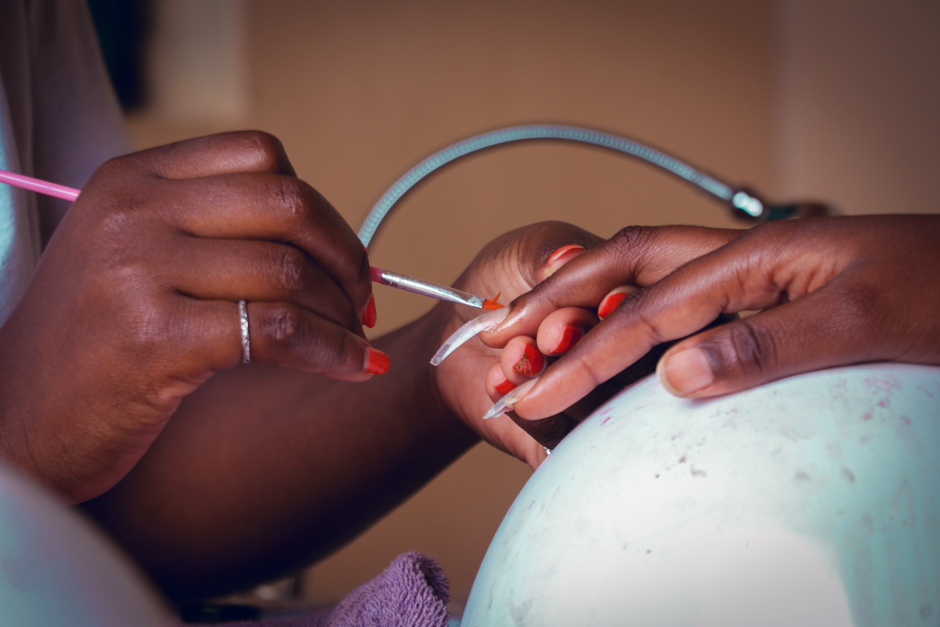
Nail glue is strong. It is designed to hold fake nails in place for weeks. That same strength makes it frustrating when it gets on your natural nails or skin. The good news is that you can remove it at home with items you likely already own. The safest and most effective method is soaking your nails in pure acetone. Here is how to get nail glue off your nails without damaging the skin around them.
Why Nail Glue Sticks So Well
Nail glue is a type of cyanoacrylate adhesive. This is the same chemical family used in super glue. Cyanoacrylates bond by reacting with moisture on your skin and nails. The reaction creates a strong polymer chain that locks onto the nail plate.
This reaction happens in seconds. That is why nail glue sets so fast and why it is so hard to peel off. Pulling at the dried glue usually removes layers of your natural nail with it. Soaking breaks the chemical bond instead of forcing it.
The Acetone Soak Method
Acetone is the only ingredient that reliably dissolves cyanoacrylate glue. You can buy 100% pure acetone at most drugstores or beauty supply shops. Look for it in the nail care aisle. It often comes in a small bottle with a brush cap.
Nail polish remover with acetone works too, but it is diluted. Check the label. Removers labeled “non-acetone” will not work for this job. They are not strong enough to break down nail glue.
Here is the step-by-step process:
- Pour enough acetone into a small glass or ceramic bowl to fully cover your fingertips.
- Soak your nails for 10 to 15 minutes. Do not rush this. The glue needs time to soften.
- After soaking, check the glue. It should look cloudy and feel soft or gummy.
- Gently push the softened glue off with a wooden cuticle stick or an orange stick. Do not use metal tools. They can scratch the nail surface.
- If glue remains, soak for another 5 to 10 minutes and try again.
- Wash your hands with soap and water when finished.
Acetone is very drying. It strips natural oils from your skin and nails. Apply a thick hand cream or cuticle oil immediately after washing your hands. Repeat the moisturizer several times a day for a few days afterward.
How to Protect Your Skin During Acetone Use
Acetone irritates skin. It can cause redness, dryness, and cracking if you soak for too long. You can reduce this risk with a simple trick.
Before soaking, coat the skin around your nails with a thick layer of petroleum jelly. This acts as a barrier. The acetone cannot penetrate the jelly as easily, so your skin stays protected while the glue soaks loose.
Work in a well-ventilated room. Acetone has a strong odor. Some people feel lightheaded if they breathe too much of it. If you feel dizzy, stop and get fresh air.
Do not use acetone on broken skin or open wounds. If you have cuts around your nails, try a gentler method instead or wait until the skin heals.





What to Do If You Do Not Have Acetone
Acetone is the most reliable option, but it is not the only one. You can try a few alternatives. Just know that they take longer and may not work as well.
Warm soapy water is the gentlest option. Mix a few drops of dish soap into warm water and soak your nails for 15 to 20 minutes. This softens the glue but rarely dissolves it completely. You may still need to gently buff or file the residue away.
Hand sanitizer or rubbing alcohol can sometimes loosen glue. These products break down some adhesives, but cyanoacrylate is resistant to them. This method works best for small spots of glue on the skin rather than large areas on the nail.
Oil-based products like coconut oil or olive oil do not dissolve nail glue. They can help soften the skin so the glue lifts more easily, but they will not break the bond. Do not expect these to work on their own.
If the glue is only on the skin and not on the nail, washing with warm soapy water and gently rubbing with a pumice stone or nail buffer may be enough. Skin cells naturally shed, so the glue will come off within a few days even if you do nothing.
What Not to Do
Some methods spread around online are dangerous. Avoid them even if they seem clever.
Do not use a razor blade, knife, or scissors to scrape glue off your nails. You can easily cut yourself or slice into the nail bed. This can cause bleeding, infection, and permanent nail damage.
Do not pull or peel the glue off. This is the most common mistake. Peeling takes the top layer of your natural nail with it. This leaves your nails thin, weak, and ridged. It can take months for the nail to grow out fully.
Do not soak your nails in hot water with the intention of melting the glue. Heat does not break the cyanoacrylate bond. Very hot water can burn your skin without loosening the glue at all.
Do not use nail polish remover labeled “acetone-free” and expect results. These products use ethyl acetate or other solvents. They remove regular polish but do not dissolve nail glue effectively.
How to Remove Nail Glue From Around the Nail
Glue often ends up on the cuticle or the skin beside the nail. This is easier to handle than glue on the nail plate itself.
Soak the area in acetone for 5 to 10 minutes. The glue should soften quickly because skin is more porous than the nail. Then use a cuticle stick to gently roll the glue off. It should come away in soft flakes.
If the glue is on a finger that is stuck to another finger, do not pull them apart. Soak both fingers together in acetone. As the glue softens, the fingers will separate on their own. Pulling can tear the skin.
For glue on the eyelid or near the eye, do not use acetone. Acetone is dangerous near the eyes. Flush the area with warm water and seek medical advice. Nail glue on the eye itself is an emergency. Go to urgent care or the emergency room.
How to Care for Your Nails After Removal
Your nails will feel rough and dry after acetone exposure. This is temporary. The nail plate itself is not damaged if you soaked instead of peeled. The dryness comes from oil loss.
Apply cuticle oil or a rich hand cream several times a day. This restores moisture to the nail and surrounding skin. Within a few days, your nails should look and feel normal again.
If you buffed the glue with a nail file, your nails may be thinner. Stop filing once the glue is gone. Over-filing removes healthy nail tissue. Let the nail grow out naturally.
If your nails feel painful, look discolored, or show signs of infection like swelling or pus, see a doctor. These symptoms are not normal after glue removal. They may indicate a deeper injury or an allergic reaction.
How To Get Nail Glue Off Your Nails Without Damaging Them
The key to damage-free removal is patience. Acetone works, but it takes time. Most people give up after a few minutes and start picking. That is when the damage happens.
Set aside at least 20 minutes for the process. Prepare everything before you start. Have your bowl, acetone, petroleum jelly, cuticle stick, and moisturizer ready. Then soak without rushing.
If you are removing a full set of artificial nails, the process is the same. Soak until the fake nail lifts on its own. Never pry it off. When the glue is fully dissolved, the fake nail will slide off with almost no effort.
If you regularly wear nail glue or press-on nails, give your natural nails breaks between applications. This allows the nail plate to rehydrate and recover. Nails that are constantly exposed to glue and acetone become brittle over time.
Frequently Asked Questions
How long should I soak my nails in acetone?
Soak for 10 to 15 minutes, then check if the glue has softened. You can soak for another 5 to 10 minutes if needed.
Can I use regular nail polish remover instead of acetone?
Only if the label says it contains acetone. Non-acetone removers will not dissolve nail glue.
Will nail glue damage my natural nails?
The glue itself does not damage the nail, but peeling or prying it off can. Soaking with acetone is the safest removal method.
How long does it take for nail glue to come off naturally?
Glue on skin usually wears off within 2 to 4 days as skin cells shed. Glue on the nail will only come off as the nail grows out, which can take several weeks.
