
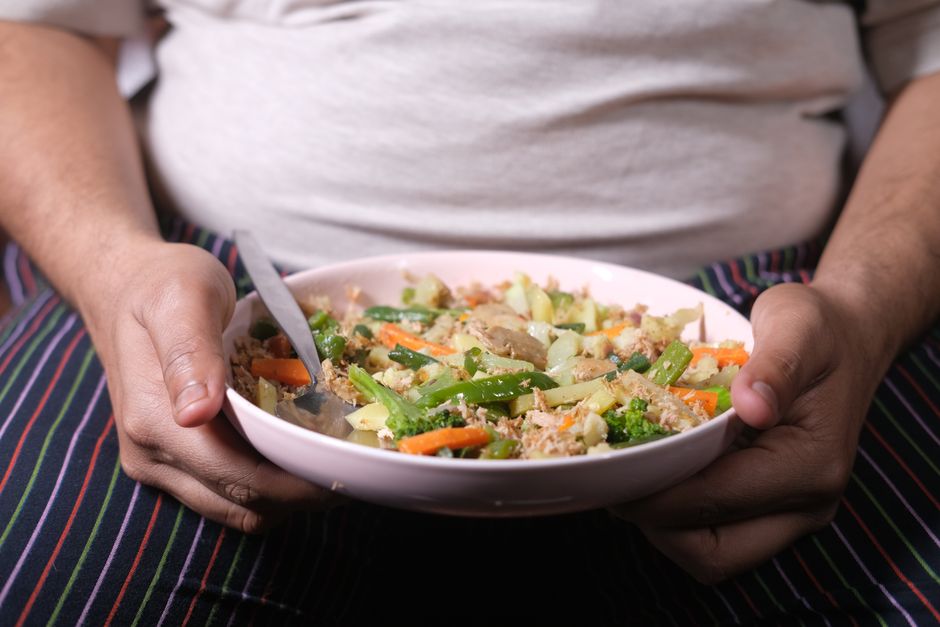
Fiber is essential for digestion, heart health, and steady energy, but many people avoid it because it causes gas and bloating. The good news is that you can increase your fiber intake without the discomfort. The key is to add fiber gradually, drink plenty of water, and choose the right types of fiber for your body. Start by adding just a few extra grams per day and give your digestive system time to adjust over a few weeks.
Why Does Fiber Cause Bloating in the First Place?
Bloating happens when gas gets trapped in your digestive tract. Fiber is a type of carbohydrate that your body cannot break down completely. When it reaches your large intestine, the bacteria there ferment it. That fermentation process produces gas as a byproduct.
This is not a sign that something is wrong. It is a normal part of digestion. The problem is that most people go from eating 10 to 15 grams of fiber per day to suddenly eating 30 grams overnight. Your gut bacteria need time to adapt to the new workload.
Some fibers produce more gas than others. Soluble fiber, found in oats, beans, and apples, ferments quickly and can cause more gas. Insoluble fiber, found in wheat bran and vegetables, moves through the digestive system more quickly and may cause less gas but can still be an issue if you increase it too fast.
How To Get More Fiber In Your Diet Without Bloating
The single most important strategy is to increase your fiber intake slowly. Add no more than 3 to 5 grams per day each week. If you currently eat about 15 grams of fiber daily, aim for 18 to 20 grams this week. Next week, add another small serving of a high-fiber food.
Water is just as important as the fiber itself. Fiber absorbs water in your digestive tract. Without enough fluid, fiber can actually make constipation worse, which leads to bloating and discomfort. Aim to drink a full glass of water with every high-fiber meal or snack.
Another practical approach is to spread your fiber across all meals rather than loading up at one meal. If you eat a huge bowl of high-fiber cereal at breakfast and nothing else all day, your gut gets overwhelmed. Smaller, consistent amounts throughout the day are easier to handle.
Which Fiber Sources Are Easiest on the Stomach?
Not all fiber is created equal when it comes to bloating. Some foods are naturally gentler on the digestive system. Here are some options that tend to cause fewer issues for most people:
- Oats and oatmeal — They contain a type of soluble fiber called beta-glucan, which digests more gradually than other fibers.
- Psyllium husk — This is the main ingredient in many commercial fiber supplements. It gels in water and is generally well tolerated when started at a low dose.
- Carrots and zucchini — These cooked vegetables are lower in fermentable fibers than beans or broccoli.
- Berries — They provide good fiber with less of the sugars that can feed gas-producing bacteria.
- Brown rice and quinoa — These grains are easier on the gut than wheat bran for some people.
Foods that are more likely to cause bloating include beans, lentils, broccoli, cabbage, and wheat bran. That does not mean you should avoid them forever. It just means you should introduce them slowly and in small amounts.





Should You Take a Fiber Supplement Instead?
Fiber supplements can help, but they are not automatically better than food sources. The two main types are soluble and insoluble. Most commercial supplements contain soluble fiber because it is easier to mix into drinks and generally causes less bloating.
Psyllium is the most studied fiber supplement. Research consistently shows it can help with constipation and may improve blood sugar control. Start with a half dose and work up to the full serving over one to two weeks.
Other supplements contain inulin or wheat dextrin. Inulin is a prebiotic fiber that feeds gut bacteria. That sounds good, but it can also cause significant gas and bloating in some people. If you try a supplement and feel bloated, switch to a different type or reduce the dose.
No clinical guidelines currently exist for which supplement is best for bloating specifically. It varies from person to person. If you have a medical condition like irritable bowel syndrome, talk to your doctor before adding any supplement.
Does Cooking or Preparation Method Change Bloating?
Yes, and this is one of the most useful tricks. Soaking and cooking dried beans breaks down some of the complex sugars that cause gas. Canned beans that are rinsed thoroughly also have fewer of these gas-producing compounds.
For vegetables, cooking them well makes the fiber softer and easier to digest. A raw broccoli salad will cause more bloating than roasted or steamed broccoli. This does not mean raw vegetables are bad. It just means cooked versions are gentler on a sensitive gut.
For grains, rinsing them before cooking and cooking them thoroughly helps. Some people also find that sprouted grains are easier to digest, though the evidence for this is limited.
What About the Order You Eat Your Food?
Some evidence suggests that eating fiber alongside protein and fat slows digestion and reduces gas. When fiber moves through the gut more slowly, the fermentation process happens over a longer period, which can mean less intense gas production at any one time.
This is not a dramatic effect, but it can help. Instead of eating a plain apple as a snack, pair it with a handful of nuts or a slice of cheese. Instead of a bowl of oatmeal alone, add some yogurt or eggs on the side.
Chewing thoroughly also matters. Fiber that is not chewed well enters the large intestine in larger pieces, which can be harder for bacteria to break down. Taking time to chew each bite properly is a simple and free way to reduce bloating.
What If You Still Bloat Even After Going Slow?
Some people are more sensitive to fiber than others. If you have followed the gradual approach and still feel uncomfortable, consider looking at the specific types of fiber you are eating. Foods high in fermentable carbohydrates called FODMAPs can cause bloating even in small amounts.
Common high-FODMAP foods include onions, garlic, wheat, apples, pears, and certain beans. You do not need to cut these out permanently. Some people find that reducing them for a few weeks and then reintroducing them slowly helps identify which ones their gut tolerates.
If bloating is severe, persistent, or accompanied by pain, changes in bowel habits, or weight loss, see a doctor. Bloating can sometimes signal an underlying condition like celiac disease, small intestinal bacterial overgrowth, or irritable bowel syndrome. These conditions require proper diagnosis and treatment.
Frequently Asked Questions
How much fiber should I eat per day?
Most adults should aim for 25 to 38 grams of fiber per day, depending on age and sex. If you currently eat less, increase your intake gradually over several weeks.
How long does it take for your gut to adjust to more fiber?
Most people adjust within two to four weeks of consistently eating more fiber. During that time, gas and bloating typically decrease as your gut bacteria adapt.
Is it better to get fiber from food or supplements?
Food is generally better because it provides additional nutrients and a mix of fiber types. Supplements can help fill the gap but should be started at a low dose and increased slowly.
Does drinking more water really help with fiber bloating?
Yes. Fiber absorbs water in the digestive tract, and without enough fluid it can cause constipation and make bloating worse. Drink a glass of water with every high-fiber meal.
