
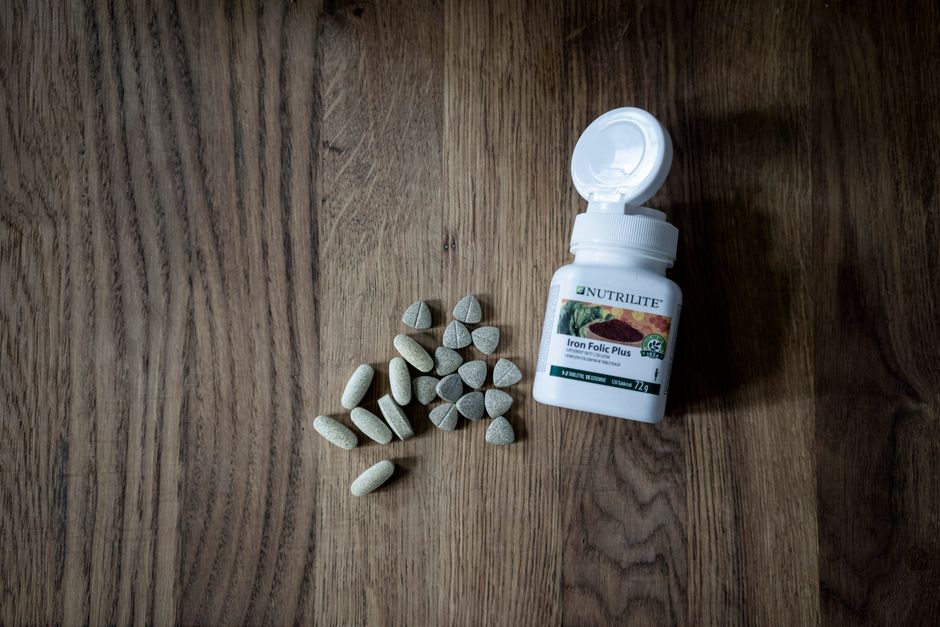
Iron is a mineral your body cannot make on its own, so every bit of it has to come from food or supplements. You get iron naturally by eating two different forms of it — heme iron from animal foods and non-heme iron from plants — and the single biggest thing you can do to absorb more is pair plant iron with vitamin C while keeping tea, coffee, and calcium away from the same meal. Those three habits matter more than any single “iron-rich” food.
Most people who feel tired assume they need more iron. Sometimes that is true. Often it is not, and taking iron you do not need can cause real problems. This guide explains how iron absorption actually works, which foods deliver it, and what genuinely improves how much your body keeps.
How Does Your Body Absorb Iron?
Your body has no active way to get rid of excess iron. It controls iron by regulating how much it absorbs from your gut, not by excreting what it already holds. That single fact explains why iron is both essential and easy to overload.
Absorption happens mainly in the small intestine. The amount you absorb from a meal varies widely — from a small fraction to a much larger share — depending on the type of iron, what else is on your plate, and your body’s current iron status. When your stores are low, your gut absorbs a higher percentage. When stores are full, it absorbs less. This is a built-in adjustment, and it is why the same meal can deliver different amounts of iron to different people.
There are two forms of dietary iron, and they behave differently:
- Heme iron comes from hemoglobin and myoglobin in animal foods — red meat, poultry, and fish. It is absorbed efficiently and is not much affected by other foods in the meal.
- Non-heme iron comes from plants and from iron-fortified foods — beans, lentils, spinach, tofu, and fortified cereals. It is the main source of iron for most of the world, but it is absorbed less efficiently and is highly sensitive to what else you eat at the same time.
This difference is the reason two people eating the same amount of iron can end up with very different iron levels.
How To Get Iron Naturally And Absorb It Better
The practical answer is to combine the right foods at the right time. Non-heme iron needs help to be absorbed well. Heme iron mostly does not.
Add vitamin C to plant-iron meals. Vitamin C is the most reliable enhancer of non-heme iron absorption. It converts iron into a form your gut takes up more easily. Pair beans, lentils, or spinach with citrus, bell peppers, tomatoes, or broccoli. This is one of the few absorption strategies with consistent evidence behind it.
Keep tea and coffee away from iron-rich meals. Both contain tannins and polyphenols that bind iron in the gut and reduce how much you absorb. The effect is real and measurable. If you drink tea or coffee, leaving a gap of an hour or two around your main iron meal helps. This is a timing issue, not a reason to give up either drink.
Separate calcium supplements from iron meals. Calcium competes with iron for absorption. A large dose of calcium — especially from a supplement — taken with an iron-rich meal can lower iron uptake. If you take calcium, taking it at a different time of day than your iron-rich meals is a sensible step.
Cook in cast iron when you can. Cooking acidic foods in cast iron cookware can add some iron to the food. The amount is modest and varies, so treat it as a small bonus rather than a main strategy.
Soak and sprout legumes and grains. Soaking, sprouting, and fermenting can reduce phytates — natural compounds in plants that bind iron and limit absorption. The benefit is real but partial. It does not remove the need for vitamin C pairing.
Which Foods Are Highest In Iron?
Heme iron foods deliver the most absorbable iron per serving. Non-heme sources can be just as valuable when eaten well, and they matter most for people who eat little or no meat.
Strong heme sources include lean red meat, liver, poultry (especially dark meat), and fish. Liver is exceptionally high in iron, but it is also very high in vitamin A, so eating it often is not advisable — particularly for pregnant women, for whom high vitamin A intake carries known risks.
Strong non-heme sources include lentils, chickpeas, beans, tofu, spinach, pumpkin seeds, fortified breakfast cereals, and whole grains. Fortified cereals can be a meaningful source, though absorption depends heavily on the form of iron used and what you eat with them.
| Food | Iron type | Absorption notes |
|---|---|---|
| Lean red meat | Heme | Well absorbed; little affected by other foods |
| Poultry and fish | Heme | Well absorbed |
| Lentils and beans | Non-heme | Improved with vitamin C; reduced by tea, coffee, calcium |
| Spinach | Non-heme | Contains compounds that limit absorption; pair with vitamin C |
| Tofu | Non-heme | Improved with vitamin C |
| Fortified cereal | Non-heme | Absorption varies by fortification type |
One clarification worth knowing: spinach is famous as an iron food, but its iron is poorly absorbed because it also contains oxalates that bind iron. It still counts, but it is not the powerhouse many people assume. Lentils and beans generally deliver more usable iron.
Who Is Most At Risk Of Low Iron?
Some groups lose iron faster than they can replace it, or absorb it less well. These are the people for whom absorption strategies matter most.
- People who menstruate. Monthly blood loss is a steady drain on iron stores, and heavy periods raise the risk considerably.
- Pregnant women. Iron needs rise substantially during pregnancy to support increased blood volume and the growing fetus. This is a group where clinical guidance on iron is well established and should come from a clinician.
- Infants and young children. Rapid growth raises iron needs. Infant feeding and iron recommendations are specific and should follow pediatric guidance, not general adult advice.
- People with gastrointestinal conditions. Conditions that affect the gut, such as celiac disease or inflammatory bowel disease, can impair iron absorption.
- Frequent blood donors. Repeated donation can deplete stores without enough time to rebuild them.
- People who take certain medications. Some drugs, including long-term acid-reducing medications, can reduce iron absorption.
If you fall into one of these groups and feel persistently tired, breathless, or pale, the right first step is a blood test — not a supplement. Iron deficiency and iron overload can produce overlapping symptoms, and guessing is not reliable.
Do Iron Supplements Help, And Are They Safe?
Iron supplements correct deficiency effectively when deficiency is confirmed. They are not a general energy booster, and taking them without a diagnosis carries real risk.
The main concern is overload. Because the body cannot easily shed excess iron, unnecessary supplementation can push stores too high over time. In people with certain inherited conditions that increase iron absorption, this is a serious problem. Even without such a condition, high-dose iron commonly causes constipation, nausea, and stomach upset.
This is why testing comes first. A blood test can show whether your iron stores are actually low. If they are, a clinician can advise on the right form and amount. If they are not, supplements are unlikely to help and may cause harm.
Some clinicians recommend taking iron supplements every other day rather than daily, based on evidence that daily dosing can trigger a temporary rise in a hormone that reduces absorption. This is an evolving area, and dosing decisions should come from your clinician rather than a general rule.
No clinical guidelines currently support routine iron supplementation for people with normal iron levels. Food-first strategies remain the sensible default for everyone else.
Can You Get Too Much Iron From Food?
Iron from food is very unlikely to cause overload in healthy people, because absorption adjusts to your body’s needs. The exception is a genetic condition called hemochromatosis, in which the body absorbs too much iron regardless of need.
Hemochromatosis is one of the most common inherited conditions in people of Northern European descent, and many people who have it do not know. Over years, excess iron can damage the liver, heart, and joints. It is treatable, but only if it is found. This is another reason a blood test is more useful than guesswork when iron is on your mind.
For most people eating a mixed diet, food-based iron is not a concern. The risk sits with supplements and with undiagnosed absorption disorders, not with lentils and steak.
Frequently Asked Questions
What blocks iron absorption?
Tea, coffee, calcium (especially from supplements), and phytates in plant foods all reduce non-heme iron absorption. Separating these from iron-rich meals by an hour or two limits the effect.
What is the best way to absorb iron from plants?
Pair plant iron with a source of vitamin C, such as citrus, bell peppers, or tomatoes, at the same meal. This is the most consistent way to improve non-heme iron absorption.
Does cooking in cast iron add iron to food?
It can add a modest amount, particularly when cooking acidic foods. Treat it as a small bonus, not a main source.
Should I take iron supplements if I feel tired?
Not without a blood test first. Fatigue has many causes, and taking iron when your stores are normal can cause side effects and, over time, raise iron too high.
