
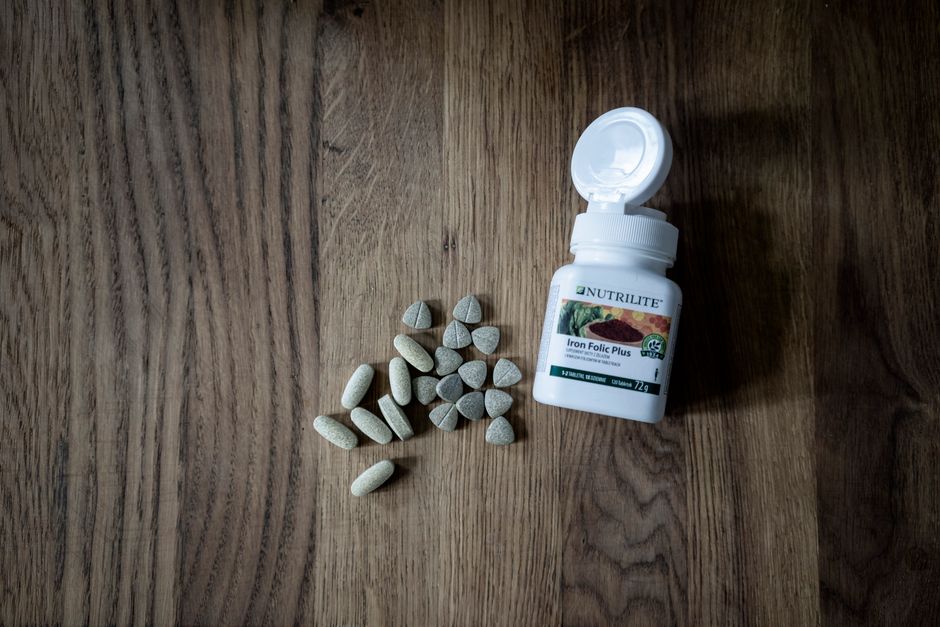
Iron deficiency is the most common nutrient deficiency worldwide, and the fastest way to raise low iron depends on why it dropped and how low it is. For most people with mild deficiency, iron-rich foods plus vitamin C and a supplement your doctor recommends will start moving numbers in weeks. For severe anemia, especially with symptoms like breathlessness or fatigue that limits daily life, treatment needs medical guidance and may include intravenous iron.
What follows is an honest guide to what actually works, what only helps at the margins, and where timelines get oversold.
How Fast Can You Raise Iron Levels?
Faster than most people expect for symptoms, slower than most expect for lab numbers. Symptom improvement often begins within days to a couple of weeks of starting treatment. Hemoglobin — the oxygen-carrying protein that drops in anemia — typically rises measurably within two to four weeks. Rebuilding your body’s iron stores, measured as ferritin, usually takes several months of consistent treatment.
That gap matters. Feeling better before your ferritin normalizes is normal. It does not mean you can stop treatment early. If you stop when symptoms fade, stores can slide back down and the cycle repeats.
Two things drive the speed:
- How low you started. Mild deficiency responds faster than severe anemia.
- Why you lost iron. If ongoing blood loss continues — heavy periods, a bleeding ulcer, frequent blood donation — you are refilling a bucket with a hole in it. Fixing the cause is part of the treatment, not an optional extra.
How To Get Iron Levels Up Quickly: Food and Absorption
Food alone is usually too slow for significant anemia, but it is the foundation that keeps levels up once they recover. The single biggest lever is not how much iron you eat — it is how much you absorb.
Iron comes in two forms. Heme iron, from meat, poultry, and fish, is absorbed efficiently. Non-heme iron, from plants, beans, and fortified foods, is absorbed less efficiently and is more sensitive to what else is on your plate. This is why a person can eat plenty of iron-rich food and still run low.
Practical ways to improve absorption:
- Pair plant iron with vitamin C. Citrus, bell peppers, tomatoes, or strawberries in the same meal increase non-heme iron absorption. This is one of the better-supported dietary strategies.
- Keep tea and coffee away from iron-containing meals. Tannins and polyphenols in these drinks reduce absorption. A gap of an hour or two on either side is a reasonable habit.
- Watch calcium timing. Calcium competes with iron absorption. If you take a calcium supplement, separating it from your iron-rich meal or iron supplement by a couple of hours helps.
- Cook in cast iron when you can. It can add small amounts of iron to food, though the effect varies and it is a minor contributor, not a treatment.
Good dietary sources include red meat, poultry, fish, lentils, chickpeas, beans, spinach, tofu, and iron-fortified cereals. Liver is very high in iron but also very high in vitamin A, which matters in pregnancy — more on that below.
Do Iron Supplements Work, and Which Form?
Oral iron supplements are the standard first-line treatment for most iron deficiency without severe complications, and they work for the majority of people who take them consistently. The catch is tolerability. Constipation, nausea, dark stools, and stomach upset are common and are the main reason people quit before their levels recover.
Two forms dominate the market:
- Ferrous salts (ferrous sulfate, ferrous gluconate, ferrous fumarate) are well studied, effective, and inexpensive. They are also the most likely to cause stomach upset.
- Ferric forms and newer formulations are often marketed as gentler. Some evidence suggests certain formulations are better tolerated, but absorption and effectiveness vary, and they are generally more expensive.
Alternate-day dosing has become a topic of real interest. Research indicates that taking iron every other day may lead to better absorption than taking it daily, because a daily dose triggers a rise in hepcidin, a hormone that blocks further iron absorption for roughly a day. This is an active area of study, and some clinicians now recommend alternate-day dosing. It is not yet a universal standard, so follow the schedule your own clinician gives you.
Do not start high-dose iron on your own. Iron is a leading cause of poisoning in young children, and excess iron is harmful. Dosing should be based on your labs and your situation. No clinical guidelines support routine iron supplementation in people who are not deficient.
When Are Iron Infusions or Transfusions Needed?
Some situations need iron delivered directly into the body rather than through the gut. Intravenous iron is used when oral iron is not tolerated, not absorbed well (as in some intestinal conditions), when the deficiency is severe, or when levels need to rise faster than pills can manage. It is given in a clinical setting.
Blood transfusion is reserved for more serious cases — significant anemia with symptoms affecting the heart or breathing, or active bleeding. These are decisions for a doctor, not something to pursue or avoid based on how tired you feel alone.
IV iron works faster than oral iron for raising levels, but it is not automatically the right choice. It carries risks, including allergic-type reactions, and requires monitoring. The trade-off between speed and safety is genuinely individual.
What Is Causing Your Low Iron?
Treating the number without finding the cause is the most common mistake. Iron does not usually fall on its own. Something is either reducing intake, reducing absorption, or increasing loss.
Common causes include:
- Blood loss. Heavy menstrual bleeding is a leading cause in people who menstruate. In people past menopause and in men, gastrointestinal bleeding — sometimes from ulcers or, less often, from colorectal cancer — must be ruled out. This is why new iron deficiency in these groups deserves a real workup, not just a supplement.
- Low dietary intake or absorption problems. Celiac disease, inflammatory bowel disease, and prior stomach or intestinal surgery can all impair absorption.
- Increased demand. Pregnancy substantially raises iron needs, and deficiency is common without supplementation.
- Medications. Long-term use of certain acid-reducing drugs and some other medications can reduce iron absorption.
- Frequent blood donation. Regular donors can deplete stores over time.
One clarification worth knowing: iron deficiency and iron deficiency anemia are not the same thing. You can have low stores (low ferritin) with normal hemoglobin — deficiency without anemia. That stage still matters and is easier to correct before it progresses.
Which Foods and Habits Help or Hurt?
Habits matter as much as foods. Below is a simple comparison of what tends to help absorption and what tends to work against it.
| Helps absorption | Reduces absorption |
|---|---|
| Vitamin C with plant iron | Tea and coffee with meals |
| Heme iron (meat, fish, poultry) | Calcium supplements taken at the same time |
| Taking supplements on an empty stomach if tolerated | Certain antacids and acid reducers |
| Alternate-day supplement dosing (per clinician) | Very high-dose daily supplements (can reduce absorption) |
These are absorption effects, not cures. They improve the odds that what you eat or take actually gets used.
What About Pregnancy and Children?
Iron needs rise significantly in pregnancy, and iron deficiency is common. Prenatal supplements typically include iron, and clinicians often screen for anemia during pregnancy. Do not self-prescribe additional iron beyond your prenatal supplement without medical guidance. High-dose iron and high-vitamin-A foods like liver need particular caution in pregnancy.
In infants and children, iron needs are high during growth, and deficiency can affect development. Infant formula is fortified with iron for this reason. If you suspect iron deficiency in a child, this is a conversation for a pediatrician — no clinical guidelines support giving children adult iron supplements, and accidental iron overdose is a serious risk in this age group.
What Speeds Recovery and What Slows It
The honest summary is that speed comes from three things done together: correcting the cause, taking iron consistently in a form you tolerate, and giving it enough time. There is no food, drink, or supplement that raises iron dramatically overnight. Products marketed as fast iron boosters rarely have strong evidence behind them.
Expect symptoms to ease before labs fully normalize. Expect ferritin to take months. And expect that if you skip the step of finding the cause, the deficiency is likely to return.
Frequently Asked Questions
How quickly can iron levels rise?
Symptoms often improve within days to a couple of weeks, and hemoglobin typically rises within two to four weeks of starting treatment. Rebuilding ferritin stores usually takes several months.
What is the fastest way to raise low iron?
For most people, a doctor-recommended oral iron supplement taken consistently, paired with vitamin C and attention to absorption blockers, is the fastest reliable route. Severe cases may need intravenous iron under medical supervision.
Does taking iron every other day work better?
Some research suggests alternate-day dosing improves absorption compared with daily dosing, because daily iron triggers a hormone that blocks further uptake. It is not yet a universal standard, so follow your clinician’s schedule.
Can I raise iron levels with food alone?
Food supports recovery and helps maintain levels, but it is usually too slow to correct significant anemia on its own. Diet works best alongside treatment and after the cause is addressed.
