
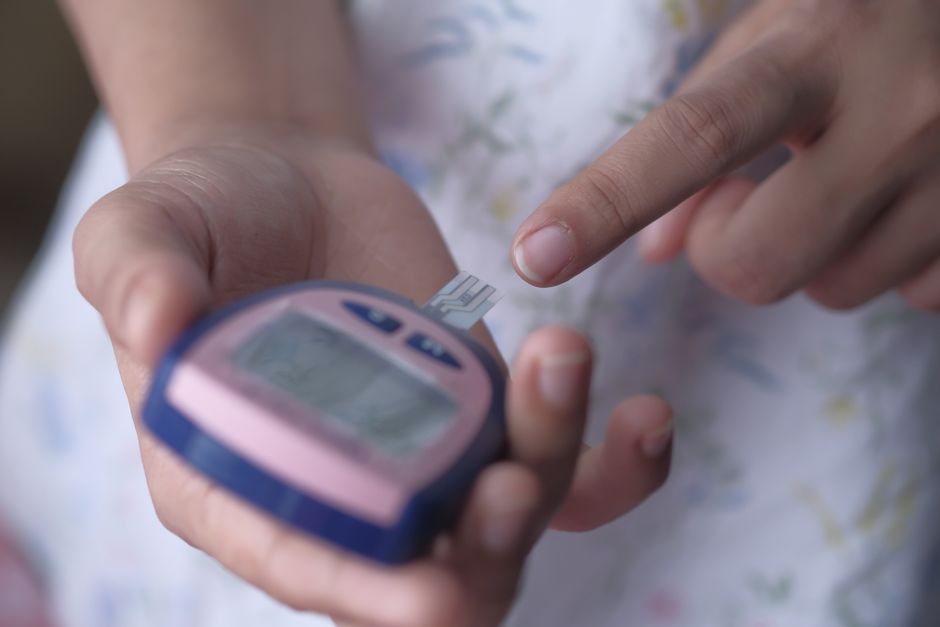
Getting insurance to pay for a glucose monitor comes down to one thing: documented medical necessity. Most insurers, including Medicare and most state Medicaid programs, cover continuous glucose monitors (CGMs) and traditional blood glucose meters when a doctor documents that you need one to manage diabetes and you meet the plan’s specific coverage criteria. The work is in the paperwork, the diagnosis codes, and knowing which type of device your plan covers under which benefit.
This guide walks through how coverage actually works, what insurers typically require, where denials come from, and how to appeal one. It is informational only. Your specific plan and your doctor make the final call.
Does insurance cover a glucose monitor?
Usually yes, but the rules differ sharply between a standard blood glucose meter and a continuous glucose monitor. A traditional meter and test strips are covered by most insurance plans, Medicare, and Medicaid as durable medical equipment or under pharmacy benefits. CGMs are covered too, but under tighter criteria and often through a separate pathway.
The distinction matters because people assume “glucose monitor” means one thing. It doesn’t. A meter that reads a fingerstick is a different device category from a CGM with a sensor worn on the body. Insurers treat them differently, and the approval process is not the same.
Medicare covers CGMs for people with diabetes who meet specific criteria, including using insulin multiple times a day or having a history of problematic low blood sugar. Private plans vary widely. Some follow Medicare’s framework closely. Others set their own rules. Some cover CGMs only for type 1 diabetes. Others include type 2 diabetes on insulin.
The practical takeaway: coverage exists, but it is conditional. The condition is medical necessity, and medical necessity has to be documented in a way the insurer accepts.
How do you get insurance to pay for a glucose monitor?
Start with your doctor’s office, not the insurance company. The single most common reason a glucose monitor claim is denied is that the prescription and supporting documentation did not match the plan’s coverage criteria. Your physician or a diabetes educator typically knows which devices a given insurer approves and what documentation that insurer wants.
The general sequence looks like this:
- Confirm your plan’s coverage rules for the specific device type before anything is ordered.
- Ask your doctor to document the diagnosis, the clinical reason you need the device, and how often you will use it.
- Have the prescription sent to an in-network supplier that your plan recognizes.
- Get prior authorization if your plan requires it for that device.
- Keep records of every step, including dates and reference numbers.
One point people miss: the supplier matters as much as the device. Many insurers only cover equipment from contracted durable medical equipment suppliers. If your doctor sends the order to a supplier outside the network, you can end up responsible for the full cost even when the device itself is covered.
Ask the insurer two questions up front. First, is this device covered under my durable medical equipment benefit or my pharmacy benefit? Second, which suppliers in my area are in network for it? The answers shape everything that follows.
What documentation does insurance require for a CGM?
Insurers want evidence that the device is medically necessary for your specific situation, not just that you have diabetes. The exact requirements vary by plan, but common elements include a diagnosis of diabetes, current treatment with insulin, a demonstrated need to track glucose closely, and a prescription from a treating clinician.
Some plans ask for evidence of problematic low blood sugar, sometimes called hypoglycemia unawareness, or wide swings in glucose that a standard meter cannot capture well. Others require that you have been testing with a fingerstick meter frequently and still need more data. Medicare’s criteria are among the more specific, and many private plans borrow from them.
Your doctor’s office writes the letter of medical necessity. This document connects your clinical situation to the plan’s criteria in plain terms. It is not a formality. A vague letter that says “patient needs CGM” is more likely to be denied than one that states the diagnosis, the treatment regimen, the clinical problem being addressed, and why the device is the appropriate tool.
If you are on insulin and your plan has denied a CGM, ask your doctor whether the denial was about documentation or about eligibility. Those are different problems with different fixes.
Why do glucose monitor claims get denied?
Denials usually come from a small set of fixable issues. The most common is missing or incomplete prior authorization. The second is a device or supplier that is out of network. The third is documentation that does not match the plan’s criteria, even when the underlying need is real.
Other frequent causes include coding errors, ordering a device the plan does not cover at all, and timing problems such as a device ordered before a required waiting period has passed. Some plans also limit how often a device can be replaced.
Here is a point worth understanding: a denial is often a statement about paperwork, not about whether you need the device. Insurers deny claims for administrative reasons constantly. That does not make the denial correct, and it does not mean the coverage does not exist. It means the request did not clear the plan’s process on the first pass.
When you get a denial, read the reason code carefully. It usually tells you exactly what was missing. Then call your insurer and ask what specific information would make the request approvable. Write down the representative’s name and the date.
How do you appeal a denied glucose monitor claim?
You appeal in writing, within the deadline your plan sets, and you include the documentation that was missing. Most plans have an internal appeals process first, and if that fails, an external review by an independent party. The deadlines and steps are spelled out in your plan documents.
The appeal letter should do three things. It should state what was denied and when. It should explain, with your doctor’s support, why the device is medically necessary for you. And it should address the specific reason given for the denial.
Your doctor’s involvement strengthens an appeal considerably. A letter from the treating clinician that speaks directly to the plan’s criteria carries more weight than a patient letter alone. Some diabetes advocacy organizations and patient assistance programs help people draft appeals. Your state’s insurance regulator can also step in if a plan appears to be mishandling a legitimate request.
Do not assume the first denial is final. Appeals succeed regularly when the missing documentation is supplied. The key is to respond before the deadline and to answer the actual reason for the denial rather than restating your need in general terms.
What if insurance still will not cover it?
If coverage genuinely is not available under your plan, several options remain. Manufacturer patient assistance programs sometimes provide devices at reduced or no cost for people who qualify. Some device makers offer lower cash prices directly. Community health centers and diabetes education programs may have resources or loaner devices.
Your employer’s benefits administrator is another route. If you get insurance through work, the administrator can sometimes clarify coverage or advocate with the insurer on your behalf. Large employers also sometimes add coverage that the base plan does not include.
Be cautious with any service that promises to “get your device covered” for an upfront fee. Some are legitimate patient advocacy services. Others are not. Verify any company before paying, and confirm that any supplier is in network with your plan before you accept a device.
One honest note: coverage for CGMs is expanding, but it is not universal, and eligibility rules can be strict. If your plan does not cover a CGM, a standard blood glucose meter with test strips is far more widely covered and remains a valid tool for many people managing diabetes. Talk with your doctor about what fits your situation and your coverage.
Frequently Asked Questions
Does Medicare pay for a continuous glucose monitor?
Yes, Medicare covers CGMs for people with diabetes who meet specific criteria, such as using insulin multiple times daily or having a history of problematic low blood sugar. Your doctor must document that you meet those criteria.
Do I need prior authorization for a glucose monitor?
Many plans require prior authorization for CGMs, and some require it for standard meters too. Check with your insurer before the device is ordered so the request is submitted correctly the first time.
Can I appeal if my glucose monitor claim is denied?
Yes, and appeals often succeed when the missing documentation is supplied. Respond in writing before your plan’s deadline and address the specific reason given for the denial.
Will insurance cover a glucose monitor for type 2 diabetes?
Coverage varies by plan. Some insurers cover CGMs for type 2 diabetes, especially for people on insulin, while others limit coverage to type 1 diabetes. Confirm your plan’s specific criteria before ordering.
