
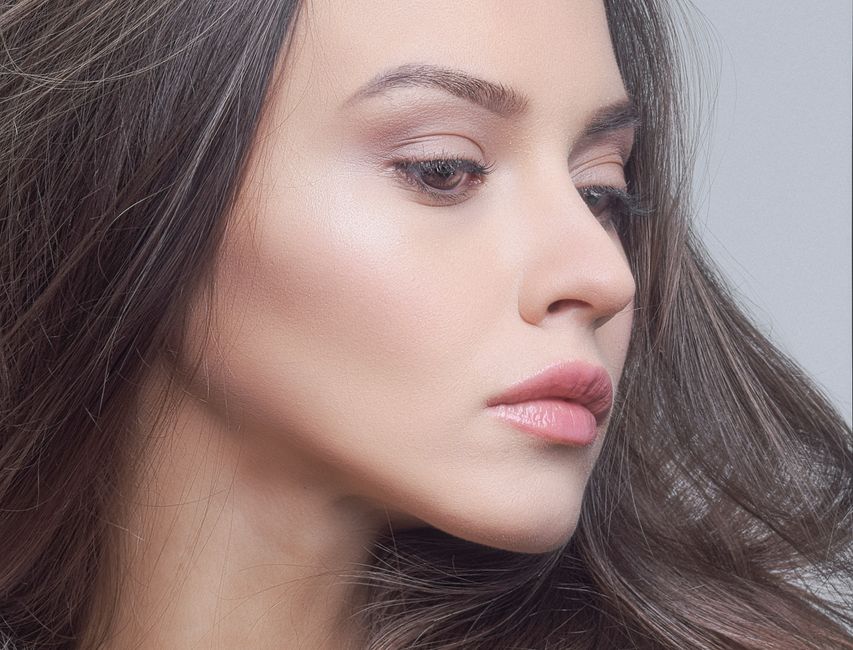
Hollow cheekbones come from two things: the shape of your facial bones and how much soft tissue sits over them. You cannot change your bone structure without surgery, but you can influence the fat and muscle around your cheekbones. The most effective non-surgical step is lowering overall body fat, because facial fat is lost alongside fat elsewhere. Beyond that, your options are limited, and some popular methods do not work the way people think.
What Actually Creates the Hollow Look Under Your Cheekbones?
The hollow area people want sits just below the cheekbone, in a region anatomists call the midface. What you see there is the result of a few layers stacked together: the zygomatic bone (your cheekbone), a pad of fat called the buccal fat pad, and the skin and muscle on top.
When the cheekbone is prominent and the tissue beneath it is thin, light and shadow create a hollow. When the buccal fat pad is larger or the cheekbone is flatter, that area looks fuller instead.
This is why the same body fat percentage can look completely different on two people. Bone structure sets the ceiling on how hollow your face can look. Soft tissue determines how close you get to that ceiling.
One clarification worth making: the buccal fat pad is not “bad fat” you can target. It is a structural fat pad that sits deep in the cheek. It does not shrink on command, and it does not respond to facial exercises.
Does Losing Weight Give You Hollow Cheekbones?
Losing body fat is the single most reliable non-surgical way to make your cheekbones look more defined. Research consistently shows that facial fat decreases as total body fat decreases. There is no way to lose fat only from your face.
Where you lose fat first, and how much comes off your face, is largely genetic. Some people see their cheekbones emerge after losing a modest amount of weight. Others lose weight everywhere else first and see little change in the face until they are quite lean.
A few practical points:
- Fat loss happens through a calorie deficit, not through spot reduction. No exercise burns fat from the cheeks specifically.
- Facial fullness often returns if weight is regained. The change is not permanent unless your weight stays stable.
- Losing weight very quickly can reduce facial fat but also tends to reduce muscle and skin elasticity, which can make the face look tired rather than sculpted.
There is no established body fat percentage at which cheekbones reliably appear. It varies too much between individuals to give a number.
Do Cheekbone Exercises and Jaw Workouts Work?
No. Facial exercises build the muscles of the face, and building muscle adds volume, it does not remove it. This is the opposite of what most people want when they ask how to get hollow cheekbones.
Some “face yoga” routines claim to slim the cheeks or sharpen the jaw. The evidence for these claims is weak. Small studies have looked at facial exercise for muscle tone and appearance, but no well-designed trial has shown that exercising the face creates hollows under the cheekbones. The mechanism does not support it either.
If anything, consistently working the chewing muscles (the masseters) can make the lower face look wider, not narrower. That is the opposite of a hollow, sculpted look.
Be cautious with any product or program that promises to “melt” cheek fat through exercise. Fat does not melt. It is released through a calorie deficit and used for energy across the whole body.




Can Mewing or Chewing Gum Change Your Cheekbones?
Mewing is the practice of resting the tongue against the roof of the mouth, promoted as a way to reshape the jaw and cheekbones. The claim is that this pressure gradually changes bone structure.
There is no good evidence that mewing reshapes adult facial bones. Bone remodeling in adults is slow and driven mainly by load and hormones, not by resting tongue posture. Some dentists and orthodontists use tongue posture as part of treating certain oral habits in children, but that is a different situation from an adult trying to create hollow cheekbones.
Chewing gum is sometimes suggested to define the jaw. Chewing builds the masseter muscles, which sit at the back of the jaw. Bigger masseters can make the lower face look broader and squarer. That is not the same as hollow cheekbones, and for many people it moves them further from the look they want.
If a claim about mewing or chewing sounds too easy, that is usually the tell. Changing bone shape takes surgery or, in growing children, orthodontic intervention. Not tongue position.
What About Fillers, Buccal Fat Removal, and Other Procedures?
Procedures exist that can create or enhance hollow cheekbones, but each has real tradeoffs. This is informational only. Talk to a qualified specialist about your own situation.
Dermal fillers are usually used to add volume, not remove it. They are placed to restore fullness in the midface, which is the opposite of creating a hollow. In some cases a clinician may use filler in a specific spot to change how light hits the cheekbone, but this is a subtle sculpting technique, not a way to hollow the cheeks.
Buccal fat removal is a surgery that removes part of the buccal fat pad to slim the lower cheeks. It can create a more contoured look in people who have a fuller face to begin with. But the fat pad tends to shrink naturally with age, and removing it early can leave the face looking gaunt later. Some surgeons are cautious about performing it on younger patients for this reason.
Cheekbone implants add projection to the cheekbone itself. This can make the area below it look relatively hollow by contrast. It is a surgical procedure with the usual risks of surgery, including infection, nerve injury, and asymmetry.
No procedure is risk-free, and results depend heavily on the surgeon and on your underlying anatomy. A consultation with a board-certified specialist is the only way to get advice specific to your face.
What Else Affects How Hollow Your Cheeks Look?
Several everyday factors change how defined your cheekbones appear, independent of fat.
Hydration and sleep. Poor sleep and dehydration can make the face look puffy or dull. This is temporary, but it affects how shadows fall on the cheekbones. Getting consistent sleep and enough water will not create hollows, but it can make your existing structure read more clearly.
Sodium and alcohol. Both can contribute to temporary facial puffiness in some people. Cutting back may help the face look less swollen, though the effect varies and is short-lived.
Age. Facial fat pads shift and shrink with age, and bone density in the face declines over time. Many people find their cheekbones look more prominent in their 30s and 40s than in their 20s, then the midface can start to look hollowed in a way that reads as aged rather than sculpted. The look you want at 40 is not always the look you want at 60.
Lighting and angles. A large share of the “hollow cheekbone” look in photos comes from side lighting and a slight downward camera angle. This is not a trick to dismiss, but it is worth knowing that much of what people compare themselves to is created by light, not anatomy.
The Honest Bottom Line
If you want hollow cheekbones without surgery, your realistic lever is body fat. Lowering it, if you have fat to lose, will reduce facial fat along with the rest. How much your cheekbones show afterward depends on the bone structure you were born with.
Facial exercises, mewing, and gum chewing do not create hollows, and some of them work against the goal. Procedures can change the shape of the face, but they carry real risks and long-term tradeoffs that are easy to underestimate when you are young.
There is no method that targets cheek fat specifically. Anyone selling one is selling something the body does not do.
Frequently Asked Questions
Can you get hollow cheekbones without surgery?
Yes, if you have excess body fat to lose, since facial fat drops as overall body fat drops. How hollow your cheeks look afterward depends on your bone structure, which you cannot change without surgery.
Do cheek exercises make your face slimmer?
No. Facial exercises build muscle, which adds volume rather than removing it. No well-designed study has shown that face exercises create hollows under the cheekbones.
Does mewing actually change your cheekbones?
There is no good evidence that mewing reshapes adult facial bones. Bone remodeling in adults is not driven by resting tongue posture.
Is buccal fat removal safe?
It is a real surgical procedure with normal surgical risks and a long-term tradeoff, since the fat pad shrinks naturally with age. Talk to a board-certified specialist about whether it suits your face.
