
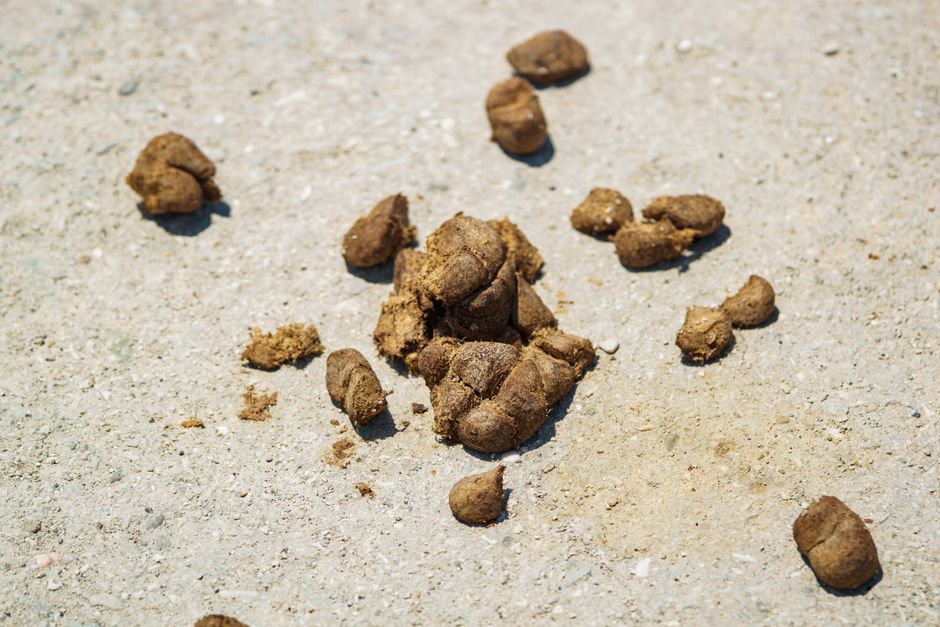
If hard stool is stuck and you cannot pass it, do not keep straining. The safest first step is usually a stool softener or a glycerin suppository, and sometimes a saline enema if a clinician says it is safe for you. If the pain is severe, you are bleeding heavily, or nothing works, that is a medical situation and not a do-it-yourself problem.
This guide explains why stool gets hard, what you can safely try at home, what to avoid, and when to get help. It also separates steps that are well supported from habits that are widely repeated but not proven.
Why Does Poop Get Hard And Stuck?
Stool gets hard because the colon keeps pulling water out of it the longer it sits there. The colon’s main job is to absorb water, so any delay in transit means more water is removed and the stool becomes drier and firmer.
That is the core mechanism. When stool moves through at a normal pace, it stays soft enough to pass. When it slows down, the result is a hard, dry mass that can be difficult or painful to push out.
Several things commonly slow that transit or reduce water in the stool:
- Not drinking enough fluid, so the colon has less water to work with
- A diet low in fiber, which reduces stool bulk and water-holding capacity
- Medications, including some pain medicines, antidepressants, and iron supplements
- Being inactive for long periods
- Ignoring the urge to go, which lets stool sit and dry out further
- Pregnancy, thyroid problems, and irritable bowel syndrome
One point that often gets missed: fiber helps only if you also drink enough water. Adding fiber without fluid can make hard stool worse, because fiber pulls water into the stool and needs a supply to draw from.
How To Get Hard Poop Out When Its Stuck
When stool is already stuck, the goal is to soften it or lubricate the passage, not to force it out with sheer effort. Straining hard raises pressure in the veins around the anus and can cause or worsen hemorrhoids and anal fissures.
Options that are commonly used, from gentlest to stronger:
- Glycerin suppository. This draws water into the stool and irritates the rectum slightly to trigger a urge to go. It works within minutes to about an hour for stool that is already low in the rectum.
- Stool softener (docusate). This helps mix water into the stool. It is gentle but slow, often taking a day or more, so it is better for prevention than for an emergency.
- Osmotic laxative (polyethylene glycol). This holds water in the stool and is generally well tolerated. It can take a day or more to work.
- Saline enema. This delivers fluid directly into the rectum to soften and flush out stool. It works quickly but should not be used often.
If a suppository or enema is used, follow the package directions and do not exceed the stated frequency. Repeated enemas can disturb the normal function of the rectum and cause problems of their own.
A warm bath can relax the muscles around the anus and may make passing stool less painful. It does not soften the stool itself, so it works best alongside one of the options above.
What Should You Not Do When Stool Is Stuck?
Do not use force as your main strategy. Prolonged straining is the single most common trigger for hemorrhoids and anal fissures, and it can also stress the pelvic floor.
Avoid these common mistakes:
- Straining for long periods. If nothing is happening after a few minutes, stop and try a different approach.
- Using enemas or stimulant laxatives daily. These are for short-term relief, not routine use.
- Digging at the stool with fingers or objects. This can tear the delicate lining of the rectum.
- Assuming you need a laxative when the real issue is a blockage. If you have not passed gas or stool at all and have severe pain or vomiting, that is different and needs medical care.
There is a genuine distinction between ordinary hard stool and a true obstruction. A true obstruction is a medical emergency. Signs include a swollen, painful abdomen, vomiting, and the inability to pass gas or stool at all. That combination is not something to manage at home.
How Can You Prevent Hard Stool From Coming Back?
Prevention is mostly about keeping water in the stool and keeping it moving. The steps below are the ones with the clearest support.
Fluid. Drinking enough fluid each day is basic but often overlooked. There is no single number that fits everyone, and needs vary with climate, activity, and health conditions. A practical guide is pale yellow urine as a rough sign of adequate hydration.
Fiber. Aim for fiber from a mix of sources, including fruits, vegetables, whole grains, and legumes. Increase it gradually. Jumping straight to a high-fiber diet can cause gas and bloating. If you use a fiber supplement, take it with plenty of water.
Movement. Regular physical activity supports normal bowel function. Even walking most days can help.
Routine. Try to go at the same time each day, often after a meal when the gut is naturally more active. Do not ignore the urge to go when it comes. Delaying is one of the most common reasons stool becomes hard in the first place.
Position. Sitting with your knees slightly higher than your hips, sometimes with a small footstool, can change the angle of the rectum and make passing stool easier. This is a widely used approach, though formal trial evidence is limited.
When Should You See A Doctor?
See a doctor if hard stool and straining are ongoing, if you need laxatives regularly, or if you have any of the warning signs below. These are not things to manage on your own.
- Blood in your stool or on the toilet paper
- Severe abdominal or rectal pain
- Vomiting along with the inability to pass stool or gas
- No bowel movement for several days with increasing pain or bloating
- Unexplained weight loss
- A change in bowel habits that lasts more than a few weeks
- Hard stool that keeps coming back despite diet and fluid changes
Constipation that does not respond to basic measures can have an underlying cause, including medication effects, thyroid problems, or a structural issue. A clinician can sort out which applies to you. Some of these causes are simple to correct once identified.
Does Diet Alone Fix Stuck Stool?
Diet helps prevent hard stool, but it is often too slow to solve a stool that is already stuck right now. Softening an existing hard mass usually needs a suppository, an osmotic laxative, or an enema, depending on where the stool is.
Think of it as two separate problems. The immediate problem is getting the current stool out safely. The ongoing problem is preventing the next one. Diet, fluid, and activity address the second. They rarely solve the first on their own.
If you find yourself relying on laxatives or enemas more than occasionally, that is a signal to look at the underlying cause with a clinician rather than to keep escalating at home.
Frequently Asked Questions
How do I get hard poop out when it’s stuck?
Try a glycerin suppository or a stool softener first, and use a saline enema only if a clinician says it is safe for you. If nothing works or the pain is severe, seek medical care instead of straining.
What is the fastest way to soften hard stool?
A glycerin suppository or a saline enema acts fastest because it works directly in the rectum, usually within minutes to about an hour. An oral stool softener or osmotic laxative is slower and may take a day or more.
Can I push hard poop out with my fingers?
No. Using fingers or objects to remove stool can tear the lining of the rectum and cause bleeding or infection. Use a suppository or seek medical help instead.
When is stuck stool a medical emergency?
It is an emergency if you cannot pass gas or stool at all and also have severe pain, a swollen abdomen, or vomiting. Those signs point to a possible bowel obstruction and need urgent care.
