
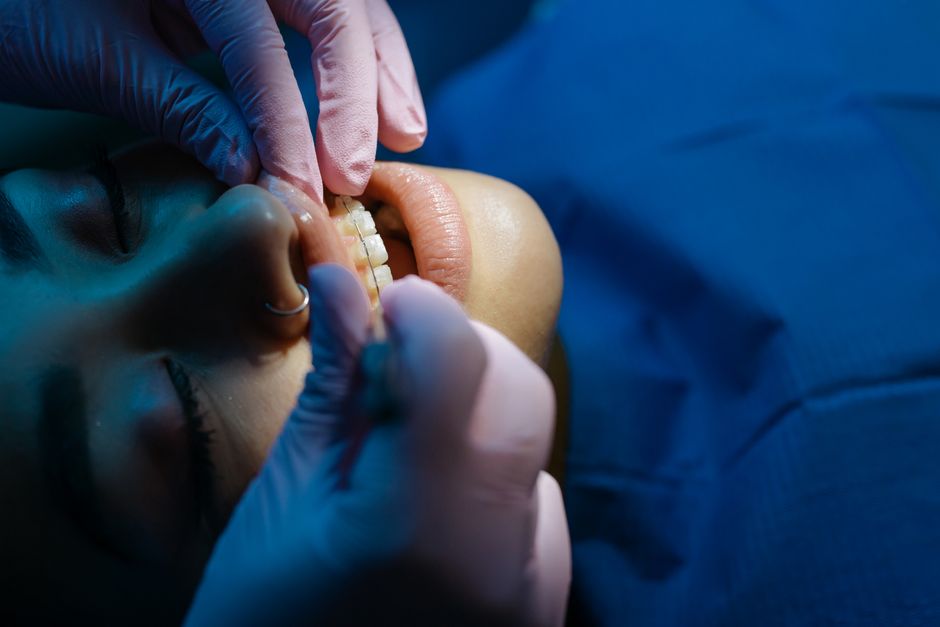
Gold braces are real, and orthodontists do place them. The catch is that the gold is usually a cosmetic coating or a gold-colored bracket, not solid gold, and your orthodontist has to offer the option in the first place. If you want them, the path is simple: ask your orthodontist directly, confirm which parts of the appliance can be gold, and expect to pay more than you would for standard metal braces.
What Are Gold Braces, Exactly?
Gold braces are orthodontic brackets and sometimes wires with a gold finish. In almost every case, the bracket itself is stainless steel that has been coated, plated, or colored to look gold. It is not a solid gold appliance.
That distinction matters for a few reasons. Solid gold would be soft, expensive, and difficult to engineer into a bracket that holds a wire under tension for months. Stainless steel is strong, affordable, and predictable. Coating steel with a gold-colored layer gives the look without giving up the function.
There are a few versions you may encounter:
- Gold-plated brackets — a thin layer of gold or a gold-colored alloy over stainless steel.
- Gold anodized or coated brackets — a colored finish applied to the metal surface.
- Gold-colored wires — some wires come with a gold-tone coating, though this is less common than gold brackets.
- Gold-colored ligatures — the small bands or ties that hold the wire to each bracket. These are the easiest and cheapest part to make gold.
Some brands market gold brackets as a premium cosmetic option. Others simply offer gold as one color choice among several. Availability varies widely by practice.
How To Get Gold Braces From Your Orthodontist
You get gold braces by asking for them at your consultation and confirming your orthodontist carries them. There is no special medical reason required. It is a cosmetic preference, the same way someone might choose clear brackets or colored bands.
Here is how the process typically works:
- Ask at your first visit. Bring it up before treatment starts. Once brackets are bonded, switching them out means removing and replacing them, which adds cost and chair time.
- Ask specifically what can be gold. Brackets, wires, and ligatures are separate parts. Your orthodontist may be able to do gold brackets but only standard wires, or gold ligatures but standard brackets.
- Confirm the material. Ask whether the gold is a coating, a plating, or a colored finish. This affects how it wears over time.
- Get the cost in writing. Cosmetic upgrades usually add to the total fee. Ask whether it is a flat upgrade charge or priced per bracket.
If your orthodontist does not carry gold, you have options. You can ask whether they can order it, or you can seek a second opinion from a practice that offers it. Most orthodontic offices work with specific bracket systems, so what they can offer depends on their suppliers.
Do Gold Braces Cost More Than Regular Braces?
Usually yes, but the amount varies by practice. Gold brackets are a cosmetic upgrade, and orthodontic offices often price cosmetic options separately from the base treatment fee.
What drives the difference:
- The brackets themselves may cost the practice more than standard stainless steel.
- Some offices charge a flat cosmetic upgrade fee.
- Some charge per bracket, which adds up across a full mouth.
- Gold-colored ligatures are usually the cheapest way to get a gold look, since they are replaced at every adjustment anyway.
Total orthodontic costs in the US vary enormously depending on complexity, region, and treatment length. Metal braces generally sit at the lower end of the range, with clear aligners and ceramic brackets often costing more. A gold upgrade typically adds to whatever your base fee is.
Dental insurance may cover part of orthodontic treatment if it is medically necessary, but cosmetic upgrades like gold coloring are almost never covered. Check your plan before assuming anything. Many plans also have age limits or lifetime maximums for orthodontic benefits.





How Long Do Gold Braces Last?
Gold-coated brackets are designed to last the full length of treatment, which is typically one to three years depending on the case. But coatings can wear.
The coating on a bracket faces constant friction from the wire, plus brushing, eating, and drinking. Over months, some coatings dull, scratch, or wear through in spots. When that happens, the underlying steel shows through, and the bracket may look patchy rather than evenly gold.
This is one honest limitation of gold braces. They are not maintenance-free, and they will not necessarily stay bright gold from start to finish. Some people find the worn look acceptable. Others find it frustrating, especially if they paid a premium for the color.
Gold-colored ligatures fade or stain faster than brackets because they are softer and get replaced at each adjustment. If you want a consistent gold look, ligatures are the part you will notice changing most.
Are Gold Braces Safe?
Gold-plated and gold-coated brackets are widely used, and the base material is the same stainless steel used in standard braces. The main safety consideration is metal sensitivity.
Gold itself is generally well tolerated, but the plating or coating may contain other metals. People with known metal allergies, particularly to nickel, should tell their orthodontist before treatment. Nickel is common in stainless steel and in some plating alloys.
If you have a history of reacting to jewelry, watchbands, or piercings, mention it. Your orthodontist can discuss whether a coated bracket is a good fit or whether a different material makes more sense. This is a conversation to have before bonding, not after.
Gold Braces vs. Other Options
Gold is one choice among several. Here is how the main bracket types compare on the factors people usually care about.
| Option | Appearance | Typical Cost Position | Notes |
|---|---|---|---|
| Standard metal | Silver/gray | Lower end | Most durable, most visible |
| Gold-coated metal | Gold | Above standard metal | Coating can wear over time |
| Ceramic | Tooth-colored | Often above metal | Less visible, can stain |
| Clear aligners | Nearly invisible | Varies widely | Not suitable for all cases |
Cost positions are general. Actual prices depend on the practice, the case, and the region. No bracket type has been shown to move teeth faster or better than another when used correctly. The skill of the orthodontist and the treatment plan matter far more than the bracket color.
What To Ask Before You Commit
Before you agree to gold braces, get clear answers to a few questions. This protects you from surprises later.
- Is the gold a coating, a plating, or a colored finish?
- Which parts are gold — brackets, wires, ligatures, or all three?
- What happens if the coating wears or flakes during treatment?
- Is there an upgrade fee, and is it flat or per bracket?
- Will my dental insurance cover any of this?
- If I dislike the look later, what does it cost to change?
One point worth knowing: many people assume gold braces are somehow stronger or higher quality because they cost more. There is no evidence for that. The gold is cosmetic. The engineering that moves your teeth is the same whether the bracket is silver or gold.
If your goal is simply a gold look at the lowest cost, ask about gold ligatures first. They are the least expensive way to add gold to a standard metal setup, and they get refreshed at every adjustment visit.
Frequently Asked Questions
Can you actually get real gold braces?
You can get gold-colored or gold-plated braces, but solid gold brackets are not standard. The brackets are almost always stainless steel with a gold finish, because solid gold would be too soft and expensive to work as an orthodontic bracket.
Do orthodontists charge extra for gold braces?
Most practices charge more for gold than for standard metal brackets because it is a cosmetic upgrade. The amount varies by office, and dental insurance rarely covers cosmetic upgrades.
Does the gold coating wear off braces?
It can. Coated brackets face constant friction from the wire and from brushing, so some coatings dull or wear through over months of treatment. Gold-colored ligatures tend to fade faster because they are replaced at each adjustment.
Are gold braces safe if I have a metal allergy?
Tell your orthodontist about any metal allergy before treatment starts. Gold itself is usually well tolerated, but the plating or the steel underneath may contain nickel or other metals that can trigger a reaction in sensitive people.
