
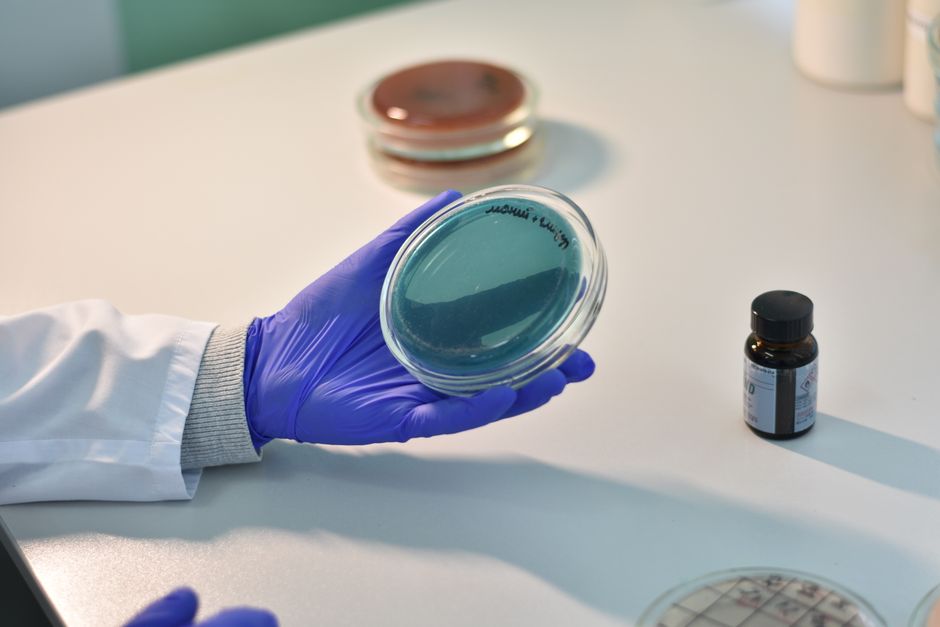
Genetic testing for Ehlers-Danlos syndrome starts with a referral from a doctor who suspects the condition based on your symptoms and family history. A blood or saliva sample is sent to a specialized lab that looks for mutations in the genes linked to the different types of EDS. The process takes several weeks, and results are interpreted by a genetic counselor or medical geneticist who can explain what the findings mean for you and your family.
What Is Ehlers-Danlos Syndrome?
Ehlers-Danlos syndrome is a group of inherited conditions that affect connective tissue. Connective tissue is the “glue” that holds your body together. It supports your skin, joints, blood vessels, and organs. People with EDS have defects in collagen or in proteins that interact with collagen. Collagen is the main structural protein in connective tissue.
There are 13 recognized types of EDS. Each type has its own genetic cause and set of symptoms. Some types are very rare. The most common type is hypermobile EDS, often called hEDS. This type causes loose joints, stretchy skin, and frequent joint dislocations.
Who Should Get Genetic Testing for EDS?
Genetic testing is not for everyone with joint pain or flexible joints. Most people with loose joints do not have EDS. A doctor may consider genetic testing if you have several signs of EDS that appear together. These signs include joints that dislocate easily, skin that bruises easily or stretches more than normal, and slow wound healing.
Testing is strongly recommended for types of EDS that affect blood vessels or internal organs. Vascular EDS, for example, carries a risk of artery or organ rupture. Knowing this diagnosis changes medical care. It also matters for family members who may share the same genetic change.
If your doctor suspects a specific type of EDS based on your symptoms, testing for that type is more useful than a broad test. A geneticist or genetic counselor can help determine which test is right for you.
How To Get Genetic Testing For Ehlers Danlos Syndrome
The first step is a clinical evaluation. You need to see a doctor who knows EDS well. This is often a medical geneticist, a rheumatologist, or a physiatrist. They will take a detailed history and examine your joints, skin, and other tissues. They use a tool called the Beighton score to measure joint hypermobility. A score of 5 or more out of 9 in adults suggests generalized joint hypermobility.
Based on that evaluation, the doctor decides whether genetic testing is appropriate. They order the test and collect a sample. Most labs accept a blood draw or a cheek swab. The sample goes to a laboratory that specializes in connective tissue disorders.
Your doctor will also discuss insurance coverage. Genetic testing can cost from a few hundred to several thousand dollars, depending on the lab and the type of test. Many insurance plans cover testing when a doctor orders it for a medical reason. Some labs offer financial assistance programs.
After the sample arrives at the lab, analysis takes about two to six weeks. The lab looks for changes in genes known to cause EDS. If they find a change, they determine whether that change is disease-causing or benign. A genetic counselor explains the results to you in a follow-up appointment.




Which Genes Are Tested for EDS?
Different genes cause different types of EDS. The test panel usually includes the most common genes first. If those come back negative, the lab may test more genes depending on your symptoms.
Here are the main genes and the EDS types they cause:
- COL5A1 and COL5A2 — cause classical EDS. These genes affect type V collagen.
- COL3A1 — causes vascular EDS. This gene affects type III collagen.
- COL1A1 and COL1A2 — can cause arthrochalasia EDS and some other types.
- TNXB — causes classical-like EDS.
- PLOD1 and FKBP14 — cause kyphoscoliotic EDS.
- ADAMTS2 — causes dermatosparaxis EDS.
Hypermobile EDS (hEDS) has no known genetic test. The genetic cause has not been identified yet. Diagnosis of hEDS is made using clinical criteria, not a blood test. This is a common point of confusion. Many people expect a genetic test to confirm hEDS, but no such test exists at this time.
What Do the Results Mean?
A positive result confirms a specific EDS type. It identifies the exact genetic change causing your condition. This information helps your doctor plan your care. It also allows family members to get tested. If a parent has the gene change, each child has a 50% chance of inheriting it. This applies to the autosomal dominant types of EDS, which include classical, vascular, and arthrochalasia EDS.
A negative result means the lab did not find a disease-causing change in the genes tested. This does not completely rule out EDS. You may have a genetic change that current tests cannot detect. Or you may have a type of EDS not included in the panel. Your doctor uses the negative result along with your clinical exam to make a diagnosis.
A variant of uncertain significance means the lab found a genetic change, but they do not know if it causes disease. This result is not a diagnosis. It requires more research and sometimes testing of family members to understand its meaning.
Genetic testing also has limitations. It cannot predict how severe your symptoms will be. Two people with the same genetic change can have very different experiences. Some may have mild symptoms. Others may have serious complications.
Where Can You Get Genetic Testing for EDS?
Genetic testing for EDS is available through several channels. The most common path is through a genetics clinic at a major medical center or university hospital. These clinics have medical geneticists who specialize in connective tissue disorders.
Telehealth has made testing more accessible. Many genetics clinics now offer remote consultations. You can meet with a geneticist by video call, and the lab sends a collection kit to your home. This option helps people in rural areas or those who cannot travel.
Direct-to-consumer genetic tests are not recommended for EDS. These tests look at a limited number of genes and do not provide the full analysis needed for a clinical diagnosis. They also do not include genetic counseling. A negative consumer test does not rule out EDS, and a positive one still requires clinical confirmation.
Your primary care doctor can help you find a genetics clinic. Organizations that support EDS patients also maintain lists of knowledgeable providers. These lists are not endorsements, but they can be a starting point.
What If You Cannot Afford Genetic Testing?
Cost is a real barrier for many people. A full EDS gene panel can cost over $2,000 without insurance. Several options can help reduce the cost.
Some laboratories offer payment plans or sliding scale fees based on income. Others have patient assistance programs. Your genetic counselor can tell you which labs offer these options.
Research studies sometimes provide free genetic testing. Some studies focus on finding new genes for EDS. If you qualify, you may receive testing at no cost. Your genetics clinic can inform you about current studies.
Insurance coverage varies widely. Most plans cover genetic testing when a doctor orders it for a specific medical indication. Before testing, ask your doctor’s office to check your insurance coverage and get pre-authorization if needed. This prevents surprise bills later.
What Happens After a Diagnosis?
A confirmed EDS diagnosis changes how doctors manage your care. For vascular EDS, doctors monitor blood vessels and avoid certain procedures. For classical EDS, wound care and scar management become priorities. For hypermobile EDS, physical therapy focuses on strengthening muscles to protect loose joints.
Genetic testing also has implications for family planning. If you have a type of EDS with a known gene, you can discuss reproductive options with a genetic counselor. This includes prenatal testing and preimplantation genetic diagnosis.
Some people feel relief after a genetic diagnosis. It explains years of symptoms. Others feel anxiety about the future. Both reactions are normal. A genetic counselor can help you process the information and connect you with support resources.
Frequently Asked Questions
How long does EDS genetic testing take?
Most labs return results in two to six weeks after receiving your sample. The timeline depends on the lab and the complexity of the test ordered.
Can a regular doctor order EDS genetic testing?
Yes, any doctor can order the test, but a geneticist or specialist is better equipped to choose the right test and interpret results. A referral to a genetics clinic is the standard path.
Is there a genetic test for hypermobile EDS?
No genetic test currently exists for hypermobile EDS. The genes responsible for this type have not been identified, so diagnosis is based on clinical criteria.
Does insurance cover genetic testing for EDS?
Many insurance plans cover testing when a doctor orders it for a medical reason. Pre-authorization is often required, and coverage varies by plan and state.
