
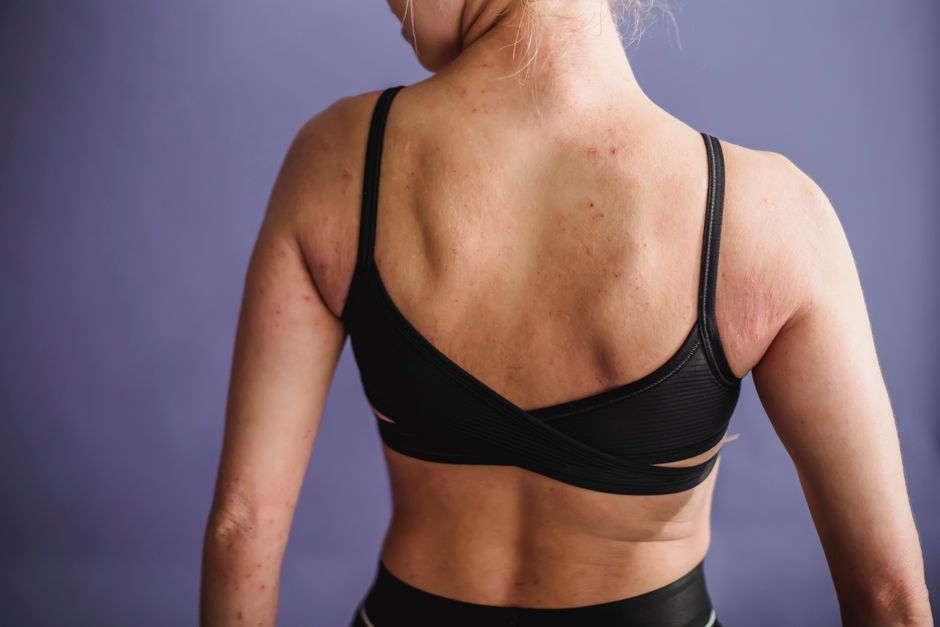
Fiberglass is made of glass fibers so fine they can lodge in skin, weave into fabric, and keep causing itch and irritation long after the visible dust is gone. The way to get fiberglass out of skin is to wash with cool water and mild soap without scrubbing, then use tape or a lint roller to lift fibers from the surface. For clothes, shake them out outdoors, wash them separately in a machine, and run an extra rinse cycle. Fiberglass does not dissolve, melt, or wash away with normal soap chemistry. It has to be physically removed.
Why Does Fiberglass Stick to Skin and Clothes So Easily?
Fiberglass fibers are thin strands of glass. Many are smaller in diameter than a human hair, and some are small enough to enter pores and tiny breaks in the skin.
Once a fiber is partly embedded, it acts like a splinter you cannot see. The body responds with itch, redness, and a prickling feeling. Scratching pushes fibers deeper and spreads them to nearby skin.
Fabric is a separate problem. Loose fibers settle into the weave of cotton, polyester, and knits. Shaking removes some. The rest stay caught in the threads until the garment is washed and rinsed properly. Heat matters here too — hot water and hot dryer cycles do not destroy glass fibers, and some evidence suggests heat can make itching worse by opening pores and increasing blood flow to the skin.
How To Get Fiberglass Out Of Skin Clothes More Effectively
Removal works best when you treat skin and clothing as two separate jobs, in that order. Clean your skin first so you are not re-contaminating it every time you handle the clothing.
Step 1: Remove contaminated clothing before anything else
Take off the affected clothes before you wash your skin. Handle them by the seams and keep them away from your face. Put them in a bag or directly into the washer if you can. This stops fibers from spreading to your arms, neck, and eyes while you clean up.
Step 2: Wash skin with cool water — not hot
Rinse the exposed area under cool running water. Add mild soap and use your fingertips only. Do not scrub with a washcloth, loofah, or brush. Scrubbing drives fibers deeper and can break the skin, which raises the risk of infection.
Cool water is the better choice. Hot water increases blood flow and opens pores, and it tends to intensify the itch.
Step 3: Lift remaining fibers with tape
After washing, pat the skin dry without rubbing. Press a piece of strong tape — duct tape or packing tape — gently onto the area and peel it off. Repeat with fresh tape. A lint roller works the same way on arms and legs.
This is the step most people skip, and it is the one that removes fibers still sitting on the surface after washing. Do not use tape on broken skin or open scratches.
Step 4: Wash clothing separately and rinse twice
Shake garments outdoors, away from doorways and vents, before washing. Wash fiberglass-contaminated clothes in their own load, separate from regular laundry. Use a normal cycle with cool or warm water and a standard detergent.
Run a second rinse cycle. This is the single most useful change most people can make, because it flushes out fibers that the first rinse loosens but does not carry away. Check pockets and cuffs, which trap fibers.
Step 5: Clean the washer afterward
Wipe down the inside of the drum with a damp cloth and run an empty rinse cycle. Fiberglass that settles in the machine can transfer to the next load of laundry.
What Should You Not Do When Fiberglass Is on Your Skin?
Most of the damage from fiberglass comes from what people do after contact, not from the fibers themselves. Avoid these common mistakes.
- Do not rub or scratch. Friction pushes fibers deeper and spreads them.
- Do not take a hot shower. Heat worsens itching and opens pores.
- Do not use lotion to “wash” it off. Lotion can trap fibers against the skin. Save moisturizer for after removal.
- Do not use a stiff brush or pumice stone. These break the skin and create an entry point for infection.
- Do not shake contaminated clothes indoors. You will redistribute fibers onto furniture, floors, and bedding.
- Do not mix contaminated clothes with family laundry. Wash them alone.





Can Fiberglass Cause a Rash or Serious Skin Reaction?
Fiberglass commonly causes mechanical irritation — itching, redness, and a prickling sensation. This is irritation from tiny glass fibers physically contacting the skin, not an allergic reaction.
Some people develop a rash that looks like small red bumps. It usually settles once the fibers are removed. Because fiberglass is not an allergen in the way pollen or pet dander is, antihistamines are generally not the first-line treatment for the itch, though some clinicians suggest them for comfort.
Watch for signs of infection or embedded fibers you cannot remove: increasing pain, warmth, swelling, pus, or a feeling that something is stuck under the skin. Seek medical care for these. Also get medical attention for eye contact, inhalation of fibers in an enclosed space, or symptoms like persistent cough or shortness of breath after heavy exposure.
If you work with fiberglass regularly, skin irritation can become a recurring problem. Long-term occupational exposure is a separate health topic with its own respiratory considerations, and workplace safety guidance exists for that setting.
How Do You Prevent Fiberglass From Getting Into Clothes Again?
Prevention comes down to containment. Fibers travel on air, hands, and fabric, so limiting how far they spread is the whole game.
- Change out of work clothes before entering living areas.
- Keep contaminated garments in a separate bag until laundry day.
- Wash work clothes in their own load, always.
- Shower with cool water after exposure, before sitting on furniture or bedding.
- Wipe down surfaces and vacuum with a machine that has a proper filter rather than sweeping, which lifts fibers into the air.
For anyone handling fiberglass insulation or composites regularly, protective sleeves, gloves, and eye protection reduce skin contact. A long-sleeve barrier matters more than most people expect — bare forearms are the most common site of irritation.
Does Fiberglass Wash Out of Clothes Completely?
Most of it does, with proper washing and a second rinse. Some stubborn fibers can remain caught in heavy fabrics, seams, and knits.
If a garment still prickles after two washes, do not wear it against bare skin. Either wash it again or retire it. There is no reliable way to confirm a fabric is completely fiber-free by looking at it, because the fibers are too small to see clearly. Trust the feel of the fabric instead.
One point worth knowing: fiberglass does not break down in the wash the way organic stains do. Detergent and stain removers do nothing to glass. Only mechanical action — agitation, rinsing, and lifting with tape — removes it. That is why a second rinse and a lint roller do more than any special product.
Frequently Asked Questions
Does hot water get fiberglass out of skin faster?
No. Cool water is better because heat increases itching and opens pores. Use cool water with mild soap and no scrubbing.
How long does fiberglass itch last after you remove it?
Itch usually eases within hours to a day or two once fibers are removed. If irritation lasts longer or worsens, see a doctor to rule out embedded fibers or infection.
Can you wash fiberglass out of clothes in a regular washing machine?
Yes, if you wash them alone with a second rinse cycle. Clean the washer afterward so fibers do not transfer to the next load.
Does tape really remove fiberglass from skin?
Yes. Pressing strong tape onto dry skin and peeling it off lifts fibers still on the surface. Avoid tape on broken or scratched skin.
