
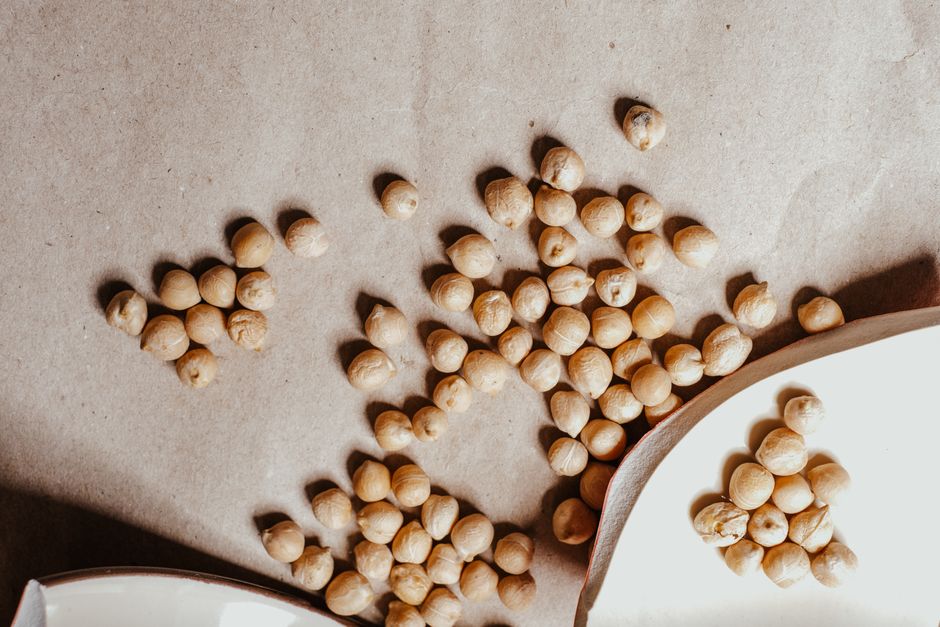
Getting enough protein on a raw vegan diet is possible, but it takes planning. No raw plant food is a complete protein on its own in the way eggs or meat are, so you need to eat a variety of protein-rich raw plants across the day. The good news is that several raw foods — nuts, seeds, legumes, and certain grains — deliver solid amounts of protein without cooking.
How Much Protein Do You Actually Need?
Most adults need about 0.8 grams of protein per kilogram of body weight per day. That is the established Recommended Dietary Allowance set by the Institute of Medicine.
For a 150-pound (68 kg) adult, that works out to roughly 54 grams of protein daily. For a 180-pound (82 kg) adult, it is about 65 grams. Athletes, pregnant women, older adults, and people recovering from illness often need more, but those higher targets vary by situation and are best discussed with a clinician.
This matters because raw vegan diets can hit that target, but they can also fall short without attention. The risk is not that plant protein is inferior. The risk is that raw plant foods are bulky and high in fiber, which makes it harder to eat enough calories and protein in a day.
Why Raw Plant Proteins Are Different
Plant proteins are not “incomplete” in a way that makes them useless. That framing is outdated. Most plant proteins do contain all the essential amino acids, just in lower amounts of one or two of them.
Your body maintains a pool of amino acids, so you do not need to combine rice and beans at every meal. Eating a variety of plant proteins across the day gives your body what it needs. This is the position held by major nutrition bodies, including the Academy of Nutrition and Dietetics.
The real issue on a raw diet is protein density. Cooked foods like lentils and tofu pack more protein per bite. Raw foods often contain more water and fiber, so you have to eat more volume to get the same protein.
One more thing worth knowing: some raw plant foods contain compounds that can reduce protein digestion. Raw legumes, for example, contain trypsin inhibitors. Soaking, sprouting, and fermenting reduce these compounds. That is one reason raw foodists rely heavily on sprouted seeds and grains rather than raw dried beans.
Which Raw Foods Are Highest In Protein?
The best raw vegan protein sources are nuts, seeds, sprouted legumes, and sprouted grains. Here is how they compare per typical serving, using data from the USDA FoodData Central database.
| Food (raw) | Serving | Protein |
|---|---|---|
| Hemp seeds | 3 tbsp (30 g) | ~10 g |
| Pumpkin seeds | 1 oz (28 g) | ~5 g |
| Almonds | 1 oz (28 g) | ~6 g |
| Sunflower seeds | 1 oz (28 g) | ~5 g |
| Chia seeds | 2 tbsp (24 g) | ~5 g |
| Sprouted lentils | 1 cup (77 g) | ~7 g |
| Sprouted mung beans | 1 cup (104 g) | ~3 g |
| Raw oats (soaked) | 1/2 cup (40 g) | ~5 g |
| Spinach | 2 cups (60 g) | ~2 g |
| Broccoli | 1 cup (91 g) | ~3 g |
Notice the pattern. Seeds and nuts lead the list. Vegetables contribute protein but in small amounts. You cannot build a raw vegan protein plan on greens alone.
How To Get Enough Protein On A Raw Vegan Diet: A Practical Approach
The keyphrase question is really a planning question. Build each meal around a protein-dense raw food, then add fruits, vegetables, and healthy fats around it.
A workable target is to spread 15 to 20 grams of protein across three or four eating occasions. Here is what that can look like:
- Breakfast: Soaked oats with 3 tablespoons of hemp seeds and a banana (~15 g protein)
- Lunch: Large salad with 1 cup sprouted lentils, 1 ounce almonds, and avocado (~18 g protein)
- Snack: Chia pudding made with 2 tablespoons chia and nut milk (~7 g protein)
- Dinner: Zucchini noodles with raw sunflower seed pesto and 1 cup sprouted mung beans (~12 g protein)
That adds up to roughly 52 grams. Add another handful of seeds or a second serving of sprouted legumes and you clear 60 grams.
Blending helps. Smoothies let you pack in hemp seeds, chia, and nut butter without feeling like you are chewing all day. Raw nut and seed butters are also useful because they are calorie-dense and protein-dense at the same time.
Can You Rely On Sprouting To Boost Protein?
Sprouting does not create protein out of nothing. It changes the seed slightly, and some research suggests sprouting can improve how well your body absorbs certain nutrients, including some amino acids.
What sprouting reliably does is reduce antinutrients like phytic acid and trypsin inhibitors. That can make the protein in legumes and grains easier to digest. It also softens them so you can eat them raw.
The evidence on how much sprouting increases actual protein absorption in humans is limited. Some studies show improvements in nutrient availability, but the size of the effect varies by seed, sprouting time, and how it is measured. Treat sprouting as a helpful step, not a protein multiplier.
If you are new to sprouting, start with mung beans, lentils, and quinoa. They sprout quickly and are easy to digest.
What Are The Biggest Risks Of A Raw Vegan Diet?
The main nutrition risks are not protein alone. Raw vegan diets can fall short on vitamin B12, vitamin D, calcium, iron, zinc, and omega-3 fatty acids. Vitamin B12 is the most serious because it is not found naturally in plant foods in any reliable amount.
B12 deficiency can cause nerve damage and anemia, and it can develop slowly over years. Anyone eating a fully plant-based diet needs a B12 supplement or fortified foods. This is not optional. It is the standard recommendation from nutrition authorities worldwide.
Calorie intake is another concern. Raw foods are filling, so some people struggle to eat enough. Over time, that can lead to unintended weight loss and low energy.
There is also a food safety angle. Raw sprouts can carry harmful bacteria like Salmonella and E. coli. People who are pregnant, young children, older adults, and anyone with a weakened immune system are advised by public health agencies to avoid raw sprouts entirely. If you are in one of those groups, talk to a clinician before eating them raw.
Do You Need Protein Powder On A Raw Vegan Diet?
You do not need protein powder, but some raw vegans use it. Raw sprouted brown rice protein and raw hemp protein are the most common options.
Whether a powder is truly “raw” is a labeling question, not a regulatory one. Processing methods vary, and the term is not tightly defined. If this matters to you, check with the manufacturer directly.
For most people, whole raw foods can meet protein needs without powder. Powder is a convenience, not a requirement.
Signs You May Not Be Getting Enough Protein
Early signs of low protein intake include fatigue, muscle weakness, slower recovery from exercise, and frequent illness. Swelling in the legs and feet can appear in more serious cases.
These symptoms are not specific to protein. They overlap with many other conditions, including low calorie intake, iron deficiency, and thyroid problems. If you notice them, see a doctor rather than assuming protein is the cause.
A clinician can check your blood work and help you sort out what is actually going on.
Frequently Asked Questions
Can you really get enough protein on a raw vegan diet?
Yes, but it requires deliberate planning around nuts, seeds, and sprouted legumes. Relying on fruits and vegetables alone will not meet protein needs.
What raw vegan food has the most protein?
Hemp seeds are among the highest, with about 10 grams of protein per 3-tablespoon serving. Pumpkin seeds, almonds, and sprouted lentils are also strong sources.
Do you need to combine proteins at every meal on a raw vegan diet?
No. Your body maintains an amino acid pool, so eating a variety of plant proteins across the day is enough. The old rule about combining at every meal is outdated.
Is a raw vegan diet safe long term?
It can be, but it requires attention to vitamin B12, vitamin D, calcium, iron, zinc, and omega-3s, not just protein. Vitamin B12 must come from a supplement or fortified foods because no reliable plant source exists.
