
Earwax is supposed to be there. It is not dirt. It is a mix of skin cells, oils, and secretions that coats the ear canal, traps dust and debris, and helps protect the skin from infection. For most people, the canal clears itself through the natural migration of skin and the small jaw movements of talking and chewing. So the real answer to “how to get earwax” is usually: you don’t. You let it do its job and remove only what reaches the outer ear. Problems start when people try to dig it out.
What Is Earwax and Why Does Your Body Make It?
Earwax, called cerumen in medical settings, is produced mainly in the outer third of the ear canal. Specialized glands there secrete a waxy substance, and skin cells and hair contribute to the mix.
It has real jobs. It forms a slightly acidic, water-repellent barrier that helps keep the canal skin healthy. It traps dust, small particles, and insects before they travel deeper. It also has mild antibacterial properties that some research suggests help limit certain bacterial growth in the canal.
Everyone makes it. The amount and texture vary a lot from person to person, and much of that is genetic. Some people produce drier, flakier wax. Others produce softer, wetter wax. Neither type is healthier than the other. They simply behave differently and sometimes need different handling.
One point that surprises many people: the ear canal is self-cleaning. Skin grows outward from the eardrum, like a slow conveyor belt, carrying wax with it. This is why wax normally works its way to the ear opening over time and flakes or washes away.
How To Get Earwax Out Safely
Safe removal means dealing with wax that has already reached the outer ear or has softened and can flow out. It does not mean reaching into the canal.
For everyday care, a washcloth is enough. Wipe the outer bowl of the ear and the opening after a shower. Do not push a finger or cloth into the canal.
If wax feels soft and near the surface, a few drops of plain mineral oil or a commercially available ear drop product labeled for wax softening can help loosen it. Some clinicians suggest a small amount of baby oil or glycerin for this purpose. These are widely used, though formal trial evidence for any specific home oil is limited. The general approach is supported in clinical guidance; the specific choice of oil is more a matter of preference.
Professional removal is the reliable route when wax is impacted or blocking the canal. A clinician can remove it with irrigation, suction, or a small instrument under direct view. This is a routine procedure in primary care and audiology offices and is generally quick.
If you have a history of ear surgery, a perforated eardrum, ear tubes, or an active ear infection, do not attempt home removal at all. Let a clinician handle it. Water or oil entering a perforated drum or around tubes can cause problems.
Why You Should Not Use Cotton Swabs or Other Objects
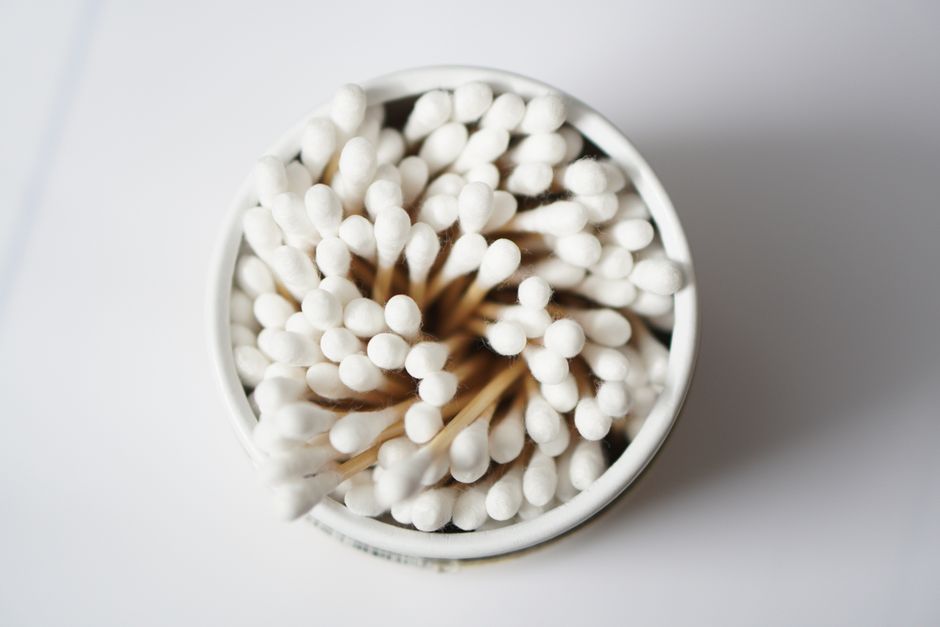
Cotton swabs push wax deeper. That is the core problem. The canal is narrow and angled, and a swab does not scoop wax out so much as pack it toward the eardrum.
Over time this can create an impaction — a firm plug of wax pressed against the drum. That can cause muffled hearing, a sense of fullness, ringing, or discomfort. Ironically, the habit people use to clean their ears is a common cause of the blockages they are trying to prevent.
There are also injury risks. The skin of the canal is thin and easy to scratch, which can lead to infection. The eardrum sits at the end of the canal and can be punctured by a swab, hairpin, key, or any inserted object. These injuries are seen regularly in urgent care and emergency settings.
Ear candling deserves a direct note. It involves placing a lit hollow cone in the ear. There is no evidence it removes wax, and it carries real risks of burns, wax being pushed deeper, and injury from dripping hot wax. Health agencies and professional ear organizations advise against it.





What Are the Signs of Impacted Earwax?
Impacted wax means a plug that is blocking the canal enough to cause symptoms. It is common and treatable.
Signs can include:
- Muffled or reduced hearing in one ear
- A feeling of fullness or pressure in the ear
- Ringing or buzzing (tinnitus)
- Mild discomfort or an itch
- Occasionally, a cough triggered by wax pressing on the canal wall
These symptoms are not specific to wax. They overlap with ear infections, eustachian tube problems, and other conditions. That is why a persistent blocked feeling is worth having checked rather than assumed to be wax. A clinician can look inside and tell the difference quickly.
Hearing loss that comes on suddenly, severe ear pain, drainage, or dizziness are not typical wax symptoms and need prompt medical attention.
Can You Prevent Earwax Buildup?
You cannot stop your body from making wax, and you would not want to. But some people are prone to impaction and can reduce repeat problems.
People who wear hearing aids, use earplugs regularly, or have narrow or unusually shaped canals tend to build up wax more often. So do people who have a lot of hair in the canal or a history of skin conditions affecting the ear.
For those who get frequent blockages, some clinicians recommend periodic softening drops or scheduled professional cleaning rather than waiting for symptoms. This is a reasonable approach in practice, though it is based more on clinical experience than on large trials. If you are prone to impaction, ask your clinician what schedule makes sense for you.
Avoiding cotton swabs and other inserted objects is the single most effective prevention step. What you do not do matters more than what you do.
When Should You See a Doctor?
See a clinician if you have hearing loss, ear pain, drainage, or a blocked feeling that does not clear. Also seek care if you have tried safe home softening and the problem persists.
Get urgent care for sudden hearing loss, severe pain, bleeding, or any injury from an object in the ear. Sudden hearing loss in particular is a situation where prompt evaluation matters and delay can affect outcomes.
People with diabetes or weakened immune systems should be cautious about ear canal irritation, since infection risk is higher. Any sign of infection — increasing pain, swelling, or discharge — warrants a medical visit.
Earwax Removal: Comparing the Options
Here is how the common approaches differ in what they do and what they risk.
| Method | What It Does | Main Risk |
|---|---|---|
| Washcloth on outer ear | Cleans visible wax at the opening | None when kept outside the canal |
| Softening drops (mineral oil, commercial products) | Loosens and softens wax so it can move out | Not for perforated eardrum or ear tubes |
| Cotton swabs | Usually pushes wax deeper | Impaction, scratches, eardrum injury |
| Ear candling | No evidence it removes wax | Burns, wax pushed deeper, injury |
| Professional removal by clinician | Removes impacted wax under direct view | Low when done by a trained clinician |
The pattern is clear. The methods that work are gentle and either outside the canal or supervised. The methods that cause harm involve reaching into the canal yourself.
Frequently Asked Questions
How do you get earwax out at home?
Wipe the outer ear with a washcloth and use softening drops if wax feels near the surface. Do not insert cotton swabs or objects into the canal.
Does earwax go away on its own?
Yes, the ear canal is self-cleaning and normally moves wax outward over time. Impacted wax that causes symptoms may need professional removal.
Is it bad to clean your ears with cotton swabs?
Yes, swabs typically push wax deeper and can scratch the canal or injure the eardrum. Health guidance advises against inserting them into the ear canal.
When should I see a doctor for earwax?
See a clinician for hearing loss, ear pain, drainage, or a blocked feeling that does not clear. Sudden hearing loss or injury needs urgent care.
