
The safest way to get earwax out of your ear at home is to soften the wax with over-the-counter ear drops, then gently flush the ear with warm water using a bulb syringe. You can also see your doctor for professional removal if the wax is hard or stuck. Do not use cotton swabs, bobby pins, or ear candles — these often push wax deeper and can hurt your ear.
What is earwax and why do we have it?
Earwax — also called cerumen — is a natural substance your ear canal makes to protect itself. It traps dust, dirt, and small bugs before they can reach your eardrum. Earwax also keeps the skin inside your ear moist and helps fight infection.
In most people, the ear cleans itself. Old wax slowly moves from deep inside the ear to the opening, where it flakes off or washes away during a shower. For many people, no special cleaning is needed at all. The problem starts when wax builds up too much and blocks the ear canal.
How to get earwax out of your ear safely
If your ear feels full, muffled, or itchy, you might have excess earwax. The first safe step is to soften it. Over-the-counter ear drops often contain mineral oil, glycerin, or hydrogen peroxide. A few drops in the ear once or twice a day for a few days can soften the wax so it comes out on its own.
Another common method is gentle irrigation. After softening the wax, fill a rubber bulb syringe with body-temperature water. Tilt your head over a sink, gently pull your outer earlobe back to straighten the canal, and squeeze a small stream of water into the ear. Let the water drain out and repeat a few times. Stop immediately if you feel pain.
Some doctors also recommend using a few drops of baby oil or olive oil to soften wax. This is generally safe for most people, but do not use oil if you have a known eardrum hole or ear infection. If your ears feel normal, do not try to remove wax — it is probably working fine on its own.
What to avoid when you try to remove earwax
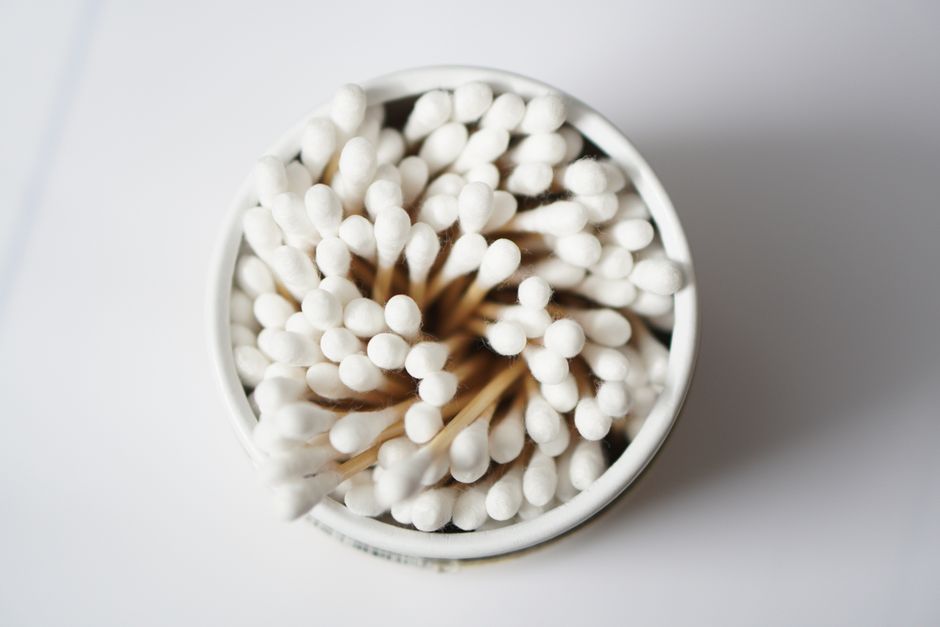
Cotton swabs are the most common thing people use — and the most common cause of ear problems. Instead of pulling wax out, a swab pushes it deeper into the ear canal, often packing it against the eardrum. This can cause pain, hearing loss, or even a ruptured eardrum.
Ear candles are another popular product with no proven benefit. Research has shown they do not remove wax and can actually cause burns, ear infections, or debris inside the ear. Most medical organizations advise against using them.
Do not put any sharp object, such as a bobby pin, paper clip, or key, into your ear. The skin of the ear canal is very thin and easily scratched. A scratch can bleed, become infected, and be quite painful. Also avoid using vacuum or suction devices sold online — these are not well studied and may harm the ear.




When to see a doctor for earwax removal
Sometimes earwax becomes impacted — hard and stuck — and you cannot remove it safely at home. Signs that you may need professional help include ear pain, a feeling of fullness that does not go away, hearing loss, ringing in the ear, or dizziness. You should also see a doctor if you have discharge, bleeding, or a sudden change in hearing.
A doctor can remove earwax several ways. They might use a small curved tool called a curette, suction, or a special irrigation device. These methods are much safer than anything you can do at home because the doctor can see inside your ear with an otoscope. If you have diabetes, a weakened immune system, a hole in your eardrum, or ear surgery in the past, do not attempt any home removal — see a doctor first.
Can earwax removal cause problems?
Even safe methods carry some risk. Irrigation can cause an infection or a burst eardrum if done too forcefully or if you already have a hole you did not know about. Using too much water can also leave the ear canal wet, which may lead to swimmer’s ear — an outer ear infection.
Overusing ear drops, especially those with hydrogen peroxide, can irritate the delicate skin of the ear canal and cause temporary itching or redness. Some people are allergic to ingredients in the drops. If your ear becomes red, swollen, or painful after drops, stop using them and talk to your doctor.
The best way to avoid problems is to only clean your ears if you really need to, and to choose the gentlest method first. Most ears never need any cleaning beyond wiping the outer ear with a washcloth.
Frequently Asked Questions
Can I use hydrogen peroxide to remove earwax?
Yes, you can use a 3% hydrogen peroxide solution as an ear drop to soften wax. Use only a few drops and let it fizz for a few minutes before tilting your head to let it drain.
Are ear candles a safe way to remove earwax?
No, ear candles are not safe and do not remove wax. Studies have found they can cause burns, ear canal blockages, and infections.
How often should I clean my ears?
Most people never need to clean inside their ears. Just wash the outer ear with soap and water during your regular shower.
Does a lot of earwax mean poor hygiene?
No, earwax production varies from person to person and is not related to cleanliness. Some people naturally make more wax than others.
