
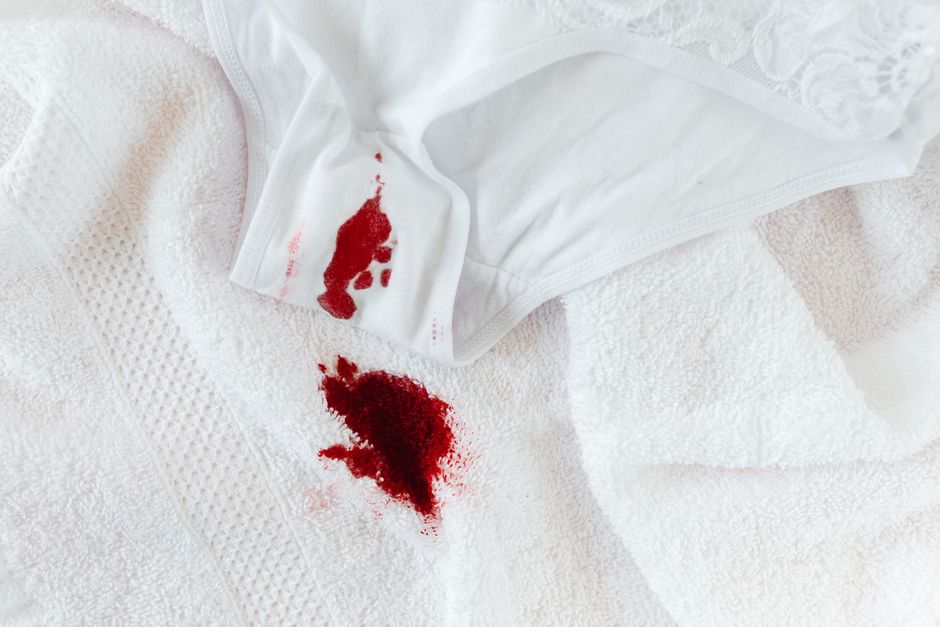
Dried blood stains are among the toughest laundry problems you will face. The protein in blood binds tightly to fabric fibers once it dries, which is why cold water and a little patience are your best tools. The key is to act with the right method: soak the fabric in cold water, treat the stain with an enzyme cleaner, and wash it in cold water. Never use hot water on a fresh or dried blood stain because heat cooks the protein into the fabric permanently.
Why Dried Blood Is So Hard To Remove
Blood contains a protein called hemoglobin, which carries iron and gives blood its red color. When blood dries, these proteins denature and bond with the fibers of your clothing. Heat speeds up this process, which is why hot water or a hot dryer can make a blood stain almost impossible to remove.
Cold water keeps the proteins from setting. This is why every reliable method for blood removal starts with cold water, not warm or hot. The longer a stain sits, the harder it becomes to lift, but dried stains are not hopeless. They just need a longer soak and a cleaner that breaks down protein.
What You Need Before You Start
Gather these items before you begin. Most are already in your home.
- Cold water
- A clean white cloth or soft-bristled brush
- Enzyme-based laundry detergent
- Hydrogen peroxide (3% solution)
- Baking soda
- Salt
- A bowl or sink for soaking
Enzyme detergents are important here. They contain protease, an enzyme that breaks down protein into smaller pieces that wash away. Ordinary detergents do not do this as effectively. Look for a detergent labeled “enzyme” or one designed for sports or activewear, as these often contain protease.
Step-by-Step: How To Get Dried Blood Out Of Clothes
Follow these steps in order. Do not skip the soaking step, even if the stain looks faint. The soak is what loosens the dried protein from the fibers.
Step 1: Rinse with cold water. Hold the stained area under a stream of cold running water. Let the water run through the back of the stain, pushing the blood out of the fabric rather than deeper into it. This works best if the stain is recent, but it helps even on dried stains by rehydrating the protein.
Step 2: Soak in cold water. Fill a bowl or sink with cold water and submerge the garment completely. Let it soak for at least 30 minutes. For heavy or old stains, soak for several hours or overnight. The water will turn pink or red as the blood loosens from the fabric.
Step 3: Apply an enzyme cleaner. After soaking, apply a small amount of enzyme detergent directly to the stain. Gently rub it into the fabric with your fingers or a soft-bristled brush. Let it sit for 15 to 30 minutes. This gives the enzymes time to break down the protein.
Step 4: Wash in cold water. Wash the garment in your washing machine using the coldest water setting. Use your regular detergent. Check the stain before drying. If any trace of the stain remains, repeat the soak and treatment steps before putting the garment in the dryer.
Step 5: Air dry. Heat from a dryer will set any remaining stain. Air dry the garment until you are certain the stain is completely gone. Once dry, you can wash it again if needed.





Home Remedies That Actually Work
Several common household items can remove dried blood. These are not marketing claims. They work because of their chemical properties.
Hydrogen peroxide is one of the most effective options. It breaks down the organic compounds in blood and helps lift the stain from fabric. Apply a 3% hydrogen peroxide solution directly to the stain, let it bubble for a few minutes, then blot with a clean cloth. Rinse with cold water and wash as usual. Test hydrogen peroxide on an inconspicuous area first because it can lighten some fabrics, especially dark or delicate ones.
Baking soda works as a gentle abrasive and a mild alkaline cleaner. Make a paste by mixing baking soda with a little cold water. Apply it to the stain, let it sit for 30 minutes, then gently scrub with a soft brush. Rinse and wash as usual.
Salt is an old remedy that works best on fresh stains, but it can help with dried ones too. Make a thick paste of salt and cold water, apply it to the stain, and let it sit for an hour. The salt draws moisture and helps lift the blood from the fabric. Rinse thoroughly and wash.
Aspirin is sometimes suggested as a stain remover. Crush a few aspirin tablets and mix with cold water to form a paste. Apply to the stain and let it sit for 30 minutes. The acetylsalicylic acid in aspirin can help break down the stain, but the evidence for this is mostly anecdotal. It is worth trying on sturdy fabrics, but enzyme detergent and hydrogen peroxide are more reliable.
What Not To Do With A Blood Stain
Some common advice will make a blood stain worse. Avoid these mistakes.
Never use hot or warm water. Heat denatures the proteins in blood and binds them to the fabric. Once that happens, the stain is effectively permanent. Always use cold water, from the first rinse through the final wash.
Never put the garment in the dryer until the stain is gone. The heat of the dryer will set any remaining stain. Air dry until you are sure the stain is completely removed.
Do not rub the stain aggressively. Rubbing can push the blood deeper into the fibers and spread the stain. Blot and gently work the cleaner in instead.
Do not use chlorine bleach on blood stains. Chlorine bleach can react with the iron in blood and make the stain worse. It can also damage the fabric. Oxygen bleach or enzyme cleaners are safer choices.
How To Remove Dried Blood From Different Fabrics
Different fabrics require different care. What works on cotton may damage silk or wool.
Cotton and linen are the easiest to clean. They can handle longer soaks and stronger treatments like hydrogen peroxide. Follow the standard method above.
Synthetic fabrics like polyester and nylon are also fairly easy to clean. They are less absorbent than natural fibers, so the blood does not penetrate as deeply. Cold water and enzyme detergent usually work well.
Silk and wool are delicate and require gentler handling. Do not use hydrogen peroxide on these fabrics. Soak in cold water with a mild enzyme detergent, and avoid scrubbing. If the stain persists, consider taking the garment to a professional cleaner.
Delicates like lace or cashmere should be treated with extra care. Cold water soak and a gentle enzyme cleaner are your safest options. Do not wring or twist these fabrics, as that can damage their structure.
How To Remove Dried Blood From Mattresses And Upholstery
The same principles apply to larger items like mattresses and couches, but you cannot soak them in a sink. You need a different approach.
Start by blotting the stain with a cloth dampened with cold water. Do not saturate the mattress. Apply a small amount of enzyme cleaner or hydrogen peroxide to the stain and let it sit for a few minutes. Blot with a clean, dry cloth to lift the stain. Repeat until the stain fades. Then blot the area with a cloth dampened with cold water to remove any residue, and let it air dry completely.
For mattresses, you can make a paste of baking soda and cold water and apply it to the stain. Let it dry completely, then vacuum it up. The baking soda helps absorb the stain and any odor. This method is gentler than hydrogen peroxide and safer for mattress fabrics.
Frequently Asked Questions
Does hot water set blood stains permanently?
Yes. Heat causes the proteins in blood to bind tightly to fabric fibers, making the stain very difficult or impossible to remove. Always use cold water for blood stains.
Can I use hydrogen peroxide on any fabric?
No. Hydrogen peroxide can lighten or damage delicate fabrics like silk and wool. Test it on a hidden area first, and avoid it on dark or delicate materials.
How long should I soak dried blood stains?
Soak for at least 30 minutes, but several hours or overnight works better for old or heavy stains. The longer the soak, the more time the water has to rehydrate and loosen the dried protein.
Is enzyme detergent really necessary for blood stains?
Enzyme detergent is the most effective option because it contains protease, an enzyme that breaks down the protein in blood. Regular detergent can help, but it is less effective at breaking down dried protein.
