
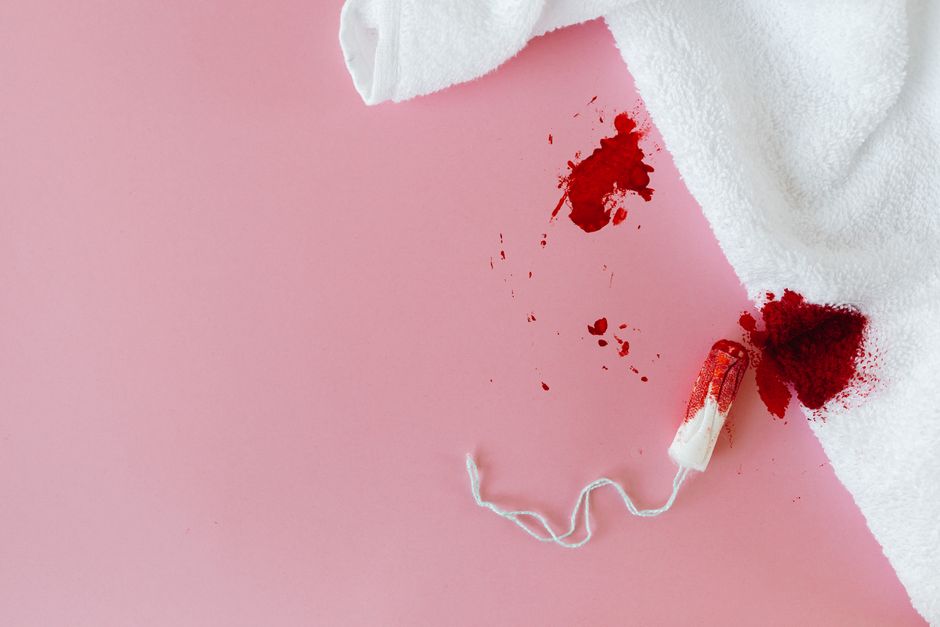
Dried blood stains come out of washable clothes with cold water, mild soap, and patience. Never use hot water on a fresh or dried blood stain. Heat sets the proteins in blood into the fabric, and once that happens the stain can become permanent. The method below works on cotton, polyester, and most everyday fabrics. It does not work on silk, wool, or leather, which need a different approach covered later.
Why Does Hot Water Make Blood Stains Worse?
Blood is roughly half water and half protein, plus red blood cells and iron-containing hemoglobin. The red color comes largely from hemoglobin. When blood dries, the proteins coagulate and bind tightly to fabric fibers.
Heat accelerates that coagulation. Hot water, a hot dryer, or a hot iron causes the blood proteins to denature and lock into the fiber. This is the same process that cooks an egg white from clear liquid to solid white. Once set, the stain is far harder to remove.
Cold water keeps the proteins loose so detergent and mechanical action can lift them out. This is why every step below uses cold water, and why you should air-dry a treated garment until you are sure the stain is gone.
What You Need Before You Start
Gather supplies first so you are not scrambling mid-treatment. Most of these are already in your home.
- Cold water (tap cold is fine)
- Mild liquid laundry detergent or a bar of plain soap
- Hydrogen peroxide (3% solution, the standard drugstore strength)
- An old toothbrush or soft-bristled brush
- Clean white cloths or paper towels
- Enzyme-based stain remover (optional but helpful)
Check the care label before you begin. If the garment says dry clean only, or is silk, wool, leather, or suede, stop here and read the section on delicate fabrics.
How To Get Dried Blood Stains Out Of Clothes Step By Step
Work through these steps in order. The key is to lift the stain gradually rather than scrubbing hard, which can push blood deeper into the fibers or damage the fabric surface.
Step 1: Scrape off any crust
Dried blood often forms a crust on the surface. Gently lift it off with your fingernail, the back of a spoon, or the edge of a dull knife. Do this over a trash can or sink. Do not pick at it so hard that you pull threads.
Step 2: Soak in cold water
Submerge the stained area in cold water for at least 15 minutes. This rehydrates the dried blood and softens it. For older or heavier stains, soak longer, up to several hours. Change the water if it turns noticeably pink or red.
Step 3: Apply detergent directly
Rub a small amount of mild liquid detergent or plain soap directly into the stain. Work it in gently with your fingers or a soft brush. Let it sit for 10 to 15 minutes.
Step 4: Rinse and check
Rinse with cold water and inspect the stain. If it is gone, wash the garment as normal. If a faint mark remains, repeat the soak and detergent steps before trying anything stronger.
Step 5: Try hydrogen peroxide on stubborn stains
For white or colorfast fabrics, dab 3% hydrogen peroxide onto the remaining stain. It fizzes as it reacts with the blood. Let it sit a few minutes, then rinse with cold water. Hydrogen peroxide is a mild bleach and can lighten some dyes, so test it on a hidden seam or inside hem first.
Step 6: Use an enzyme detergent for set-in stains
Enzyme-based stain removers contain proteases, enzymes that break down proteins. These are well suited to blood because blood is largely protein. Follow the product label for how long to leave it on. This is often the most effective option for stains that have been dried for days.
Step 7: Wash and air-dry
Wash the garment according to its care label, using the coolest water setting that is appropriate. Then air-dry it. Do not put it in the dryer until you are certain the stain is gone, because dryer heat can set any remaining blood permanently.
Does Hydrogen Peroxide Really Remove Blood?
Hydrogen peroxide is effective on blood stains, and the reason is straightforward chemistry. Blood contains an enzyme called catalase. When hydrogen peroxide meets catalase, it breaks down rapidly into water and oxygen gas. That is the fizzing you see.
The bubbling helps lift blood out of the fibers, and the peroxide itself has mild bleaching action. This makes it useful on white cotton and many colorfast fabrics.
The catch is that hydrogen peroxide can fade or spot colored fabrics. Always test a small hidden area first. It is not a good choice for dark colors, delicate dyes, or anything labeled dry clean only.
What About Delicate Fabrics Like Silk and Wool?
Silk, wool, leather, and suede need a different approach. Hot water, harsh detergents, and hydrogen peroxide can damage these materials or cause them to shrink, warp, or lose their finish.
For silk and wool, blot gently with cold water and a tiny amount of mild soap, then rinse. Do not scrub. If the stain is significant, or the item is valuable, take it to a professional dry cleaner and tell them it is blood. They have solvents and techniques not available at home.
Leather and suede are best left to a leather specialist. Water can leave permanent marks on suede, and home treatments often make things worse.
Common Mistakes That Make Blood Stains Permanent
Most failed blood stain removals come down to a handful of avoidable errors.
- Using hot water. This is the single biggest mistake. Heat sets blood proteins into the fabric.
- Putting the item in the dryer too soon. Dryer heat can permanently set any stain that remains.
- Scrubbing too hard. Aggressive scrubbing pushes blood deeper and can damage fibers.
- Using chlorine bleach on protein stains. Bleach can react with blood proteins and actually set the stain or yellow the fabric. Use oxygen-based bleach instead if you need one.
- Letting the stain sit for days without treatment. The longer blood dries, the harder it is to remove.
How Do You Remove Blood From a Mattress or Upholstery?
The same cold-water principle applies, but you cannot machine wash these items. Blot rather than soak.
Mix a small amount of mild detergent with cold water. Dab it onto the stain with a clean cloth, working from the outside edge inward so you do not spread it. Blot with a dry cloth, then repeat with plain cold water to rinse. For mattresses, use as little liquid as possible and dry the area thoroughly with a fan or open air to prevent mold.
Hydrogen peroxide can be used on light-colored mattress fabric, but test first and keep the area well ventilated. For large or old stains on upholstery, a professional upholstery cleaner is the safer choice.
Does Cold Water Alone Work on Fresh Blood?
For fresh, still-wet blood, cold water alone often does the job. Rinse immediately from the back of the fabric so the water pushes blood out rather than through. A little soap helps, but speed matters more than anything else with fresh blood.
Dried blood is a different problem. It has had time to bind to the fibers, so you need soaking, detergent, and sometimes enzymes or peroxide to break it down.
When Should You Give Up and See a Professional?
Call a professional dry cleaner or textile specialist when the garment is valuable, when the fabric is delicate, or when the stain has been dried for a long time and home methods have failed. Repeated failed attempts at home can make a stain harder to remove.
There is no guaranteed method for every stain on every fabric. Age of the stain, fabric type, and dye stability all affect the outcome. Being realistic about that saves you from damaging a garment you care about.
Frequently Asked Questions
Can I use hot water to remove dried blood stains?
No. Hot water sets blood proteins into fabric and can make the stain permanent. Always use cold water.
Does hydrogen peroxide remove blood stains completely?
It often lifts most of the stain, especially on white or colorfast fabric, but may need repeating. Test it on a hidden area first because it can fade some dyes.
What if the blood stain has already been through the dryer?
It is much harder to remove because heat sets the proteins. Soak in cold water with an enzyme detergent for several hours and repeat before drying again.
Can I use bleach on a blood stain?
Chlorine bleach can react with blood proteins and set or yellow the stain. Use an oxygen-based bleach instead, and only on fabrics that allow it.
