
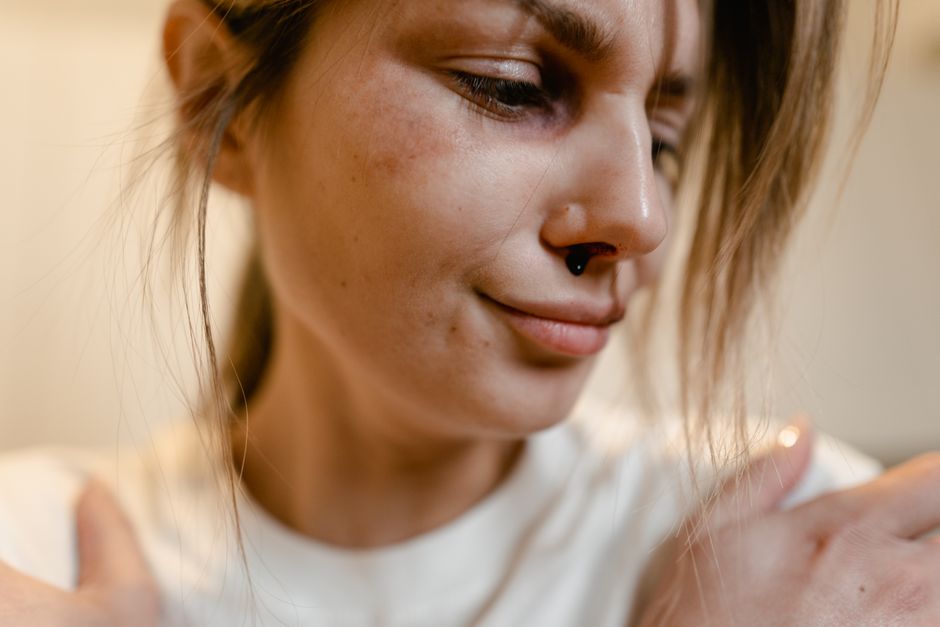
After septoplasty, dried blood and crusts inside the nose are normal. The safest way to remove them is to soften them first with saline spray or gentle saline irrigation, then let them loosen and come out on their own or with a very light blow. Do not pick, scrape, or pull crusts off the surgical area. Your surgeon’s specific instructions always take priority over general advice, because the details of your surgery affect what is safe for you.
The urge to clean out your nose after surgery is strong. It feels clogged, crusty, and uncomfortable. But the tissue inside your nose is healing, and rough removal can cause bleeding or slow recovery. Patience and moisture do most of the work.
Why Does Blood Dry Inside the Nose After Septoplasty?
Bleeding during and after septoplasty is expected. The surgeon works on the septum, the wall of cartilage and bone that divides your nostrils, and the incisions and raw surfaces bleed a little as part of normal healing.
That blood mixes with mucus and dries into crusts. Dry air speeds this up, which is why indoor heating in winter or low humidity makes crusting worse. The crusts can feel like hard plugs and may partly block airflow.
Some crusting and congestion is a normal part of the first couple of weeks. The nose is also swollen inside, and swelling alone can make breathing feel difficult even when there is no crust. This is one reason people overestimate how much dried blood is actually there.
How To Get Dried Blood Out Of Nose After Septoplasty
Moisture is the main tool. Dry crusts are stuck to healing tissue. Wet crusts soften and separate more easily, usually within minutes.
Saline nasal spray is the standard first step. Spray it into each nostril several times a day, especially before any attempt to clear the nose. Many surgeons give patients a saline spray or rinse kit after surgery. Use whatever your surgeon recommended, and follow their timing instructions for starting rinses.
Saline irrigation with a squeeze bottle or neti pot can help once your surgeon says it is okay. Some surgeons ask patients to wait a few days before irrigating, and some start sooner. This varies by surgeon and by the details of your operation, so check your discharge instructions rather than guessing.
Steam from a warm shower can loosen crusts too. Sitting in a steamy bathroom for a few minutes is a low-risk way to add moisture. A humidifier in the bedroom helps, particularly in dry climates or during winter.
If a crust is loose and sitting near the front of the nostril, a gentle blow with low force may move it. Keep both nostrils open when you blow, and keep the pressure mild. Forceful blowing can cause bleeding and is best avoided in the early healing period.
Do not use tweezers, cotton swabs pushed deep, fingernails, or any tool to dig out crusts. It is tempting when you can see or feel a piece near the front. Picking can tear the healing lining, start fresh bleeding, and in rare cases disturb the surgical repair.
What Should You Not Do While Crusts Are Healing?
Several common habits work against healing. Avoiding them matters as much as using saline.
- Do not pick or scrape. This is the most common cause of renewed bleeding after septoplasty.
- Do not blow hard. Gentle blowing is fine for many patients later in recovery, but forceful blowing early on can cause bleeding.
- Do not use over-the-counter decongestant sprays for more than a few days. These sprays are not designed for extended use, and prolonged use can cause rebound congestion. Ask your surgeon before using any medicated nasal spray after surgery.
- Avoid very dry environments. Run a humidifier and stay hydrated.
- Follow your surgeon’s guidance on blood thinners. If you take aspirin, anticoagulants, or other medications that affect bleeding, do not change them on your own. Your surgical team should have given you instructions.
Some surgeons advise against heavy lifting, straining, and strenuous exercise for a period after surgery because these raise blood pressure in the head and can trigger bleeding. The exact timeframe varies. Follow your own discharge instructions.
When Will the Crusting Stop?
Crusting usually eases over the first one to two weeks, though some patients have crusts and congestion for longer. Healing inside the nose continues for weeks after the outside looks normal.
Many surgeons schedule a follow-up visit in the first week or two to check healing and clear crusts and any packing or splints. That visit is often when the largest crusts are removed, under direct vision with proper instruments. This is one of the practical reasons follow-up appointments matter.
If crusting persists well beyond the expected window, mention it at follow-up. Persistent crusting can have several causes, and your surgeon is the right person to assess it.
When Should You Call Your Surgeon?
Some symptoms after septoplasty are expected. Others need a call to your surgeon’s office.
Contact your surgeon if you have bleeding that does not stop with the measures they instructed, a fever, severe pain that is getting worse instead of better, or foul-smelling drainage. These can signal infection or another problem that needs assessment.
Also call if you notice a large amount of fresh blood running down the back of your throat, swelling that is increasing, or vision changes. These are uncommon but warrant prompt attention.
Mild blood-tinged mucus when you blow or rinse is common during healing and is usually not a concern. If you are unsure whether what you are seeing is normal, call. Surgeons’ offices answer this kind of question routinely, and asking is always reasonable.
Does Removing Crusts Affect Your Final Result?
Gentle saline care supports healing. Aggressive picking does not, and it carries real risks of bleeding and tissue injury.
There is no evidence that removing dried blood faster improves the outcome of septoplasty. The surgery’s result depends on how the septum heals, and the septum heals best when the lining is left undisturbed apart from gentle moisture and the care your surgeon prescribed.
It is also worth knowing that the inside of the nose looks worse than it feels in the early days. Crusts that look dramatic are often sitting on tissue that is healing normally underneath. The goal is not a perfectly clean nose. The goal is a nose that heals without being disturbed.
Frequently Asked Questions
Can I use a cotton swab to clean dried blood after septoplasty?
Avoid inserting cotton swabs into the nose to remove crusts, because they can scrape healing tissue and cause bleeding. Saline spray is the safer way to soften crusts.
How long does it take for crusts to go away after septoplasty?
Crusting usually eases over the first one to two weeks, though some patients have it longer. Your surgeon can check healing at your follow-up visit.
Is it normal to have dried blood in the nose a week after septoplasty?
Yes, some crusting and blood-tinged mucus in the first week or two is a normal part of healing. Call your surgeon if you have bleeding that will not stop, fever, or worsening pain.
Can I blow my nose after septoplasty to clear dried blood?
Gentle blowing may be okay once your surgeon allows it, but forceful blowing early in recovery can cause bleeding. Soften crusts with saline first and follow your surgeon’s instructions.
