
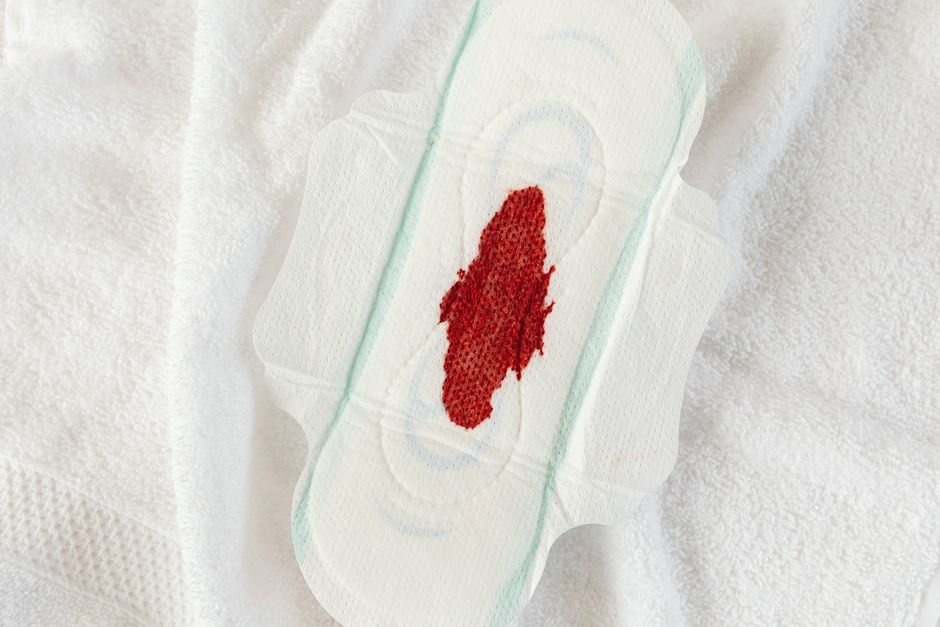
Blood on a white shirt is not the emergency most people think it is. The key is cold water and speed. Hot water cooks the protein in blood and locks the stain into the fabric, so the first rule is simple: keep heat away from the stain until it is completely gone. Most fresh blood stains come out with cold water, a little detergent, and patience. Dried stains take more work but are still often removable.
Why Hot Water Makes Blood Stains Worse
Blood contains proteins, and proteins behave a lot like egg whites. Apply heat and they coagulate, or set. That change is not reversible with ordinary washing.
This is why a stain that would have rinsed out under cold water can become permanent after one hot wash or a trip through a hot dryer. The heat doesn’t just dry the stain — it bonds the protein to the cotton fibers.
Blood also contains iron in hemoglobin, which gives it that red-brown color. Iron can react with oxygen and set into a darker, more stubborn stain over time. That reaction speeds up with heat and with certain cleaning products.
The practical takeaway: cold water from the first second. If you remember nothing else from this article, remember that.
What You Need to Do First: Treat the Stain Immediately
Fresh blood is dramatically easier to remove than dried blood. The sooner you act, the better your odds.
Start by rinsing the stain from the back of the fabric, not the front. Pushing water through from behind forces the blood out the way it came in, rather than driving it deeper into the fibers. Use cold water only.
If you are not near a sink, blot the stain with a clean cloth or paper towel dampened with cold water. Blot, don’t rub. Rubbing pushes blood into the weave and can spread the stain sideways across the white fabric.
Do not use soap yet if you can avoid it. Many bar soaps and some liquid soaps contain ingredients that can set a blood stain, and some contain dyes that transfer to white fabric. Plain cold water first, then a proper treatment.
How To Get Blood Out Of White Shirt With Common Household Items
Once you have flushed the stain with cold water, you can move to a treatment. Several everyday items work, and you likely have at least one at home.
Cold water and oxygen bleach. Oxygen-based bleach (often sold as “color-safe” bleach) is one of the most reliable options for white cotton. Mix it according to the package directions in cold water and soak the garment. Hydrogen peroxide, which is the active ingredient in many oxygen bleaches, breaks down blood proteins. Let it sit, then rinse with cold water.
Liquid laundry detergent. Apply a small amount of liquid detergent directly to the stain and work it in gently with your fingers or a soft brush. Let it sit for several minutes, then rinse with cold water. Detergent contains enzymes that help break down protein-based stains.
Hydrogen peroxide. The kind sold in drugstores as a 3% solution can be applied directly to a blood stain on white fabric. It fizzes on contact as it breaks down the blood. This works well on white cotton but should not be used on colored fabrics, wool, or silk, because it can damage or lighten them.
Enzyme-based stain removers. Products labeled as enzyme cleaners contain proteases — enzymes that digest proteins. These are specifically designed for stains like blood, grass, and food. Follow the product instructions, and keep the water cold.
Meat tenderizer. Unseasoned meat tenderizer contains enzymes that break down protein. Some people use a paste of it and cold water on blood stains. If you try this, use the plain unseasoned kind, not a seasoned blend, which can add color and salt to the fabric.
Avoid these on blood stains:
- Hot water — sets the protein
- Chlorine bleach on fresh stains — it can react with the iron in blood and set a yellow-brown mark
- Hairspray — a common folk remedy with no reliable evidence behind it
- Rubbing alcohol on dried stains — it can spread the stain before it lifts it




What to Do About Dried Blood Stains
Dried blood is harder but not hopeless. The protein has already bonded to the fabric, so you need to rehydrate it before you can lift it.
Soak the garment in cold water for at least 30 minutes, longer if the stain is old. Some people soak overnight. As the dried blood softens, you can work it loose.
After soaking, apply an enzyme-based stain remover or oxygen bleach and let it sit. Gently rub the fabric against itself to help work the loosened blood out of the fibers. Rinse with cold water and repeat as needed.
If the stain has been through a hot dryer, it may be permanently set. Heat plus time is the worst combination for blood. In that case, a long soak and repeated treatments may still lighten it, but there is no guarantee it will come out completely.
Should You Use Chlorine Bleach on Blood Stains?
Chlorine bleach is a popular choice for white shirts, but it is a poor match for blood. It can react with the iron in hemoglobin and leave a yellow or brown mark that is harder to remove than the original stain.
If you have already tried cold water, detergent, and oxygen bleach and the stain remains, a diluted chlorine bleach soak may help — but test it on an inside seam first, and never mix bleach with other cleaners, especially ammonia-based ones. Mixing bleach with ammonia or vinegar can create dangerous fumes.
Oxygen bleach is generally the safer first choice for blood on white fabric. It is gentler on fibers and does not carry the same risk of setting an iron stain.
When to Take the Shirt to a Professional Cleaner
If the stain is large, old, or on a delicate fabric like silk or wool, a professional cleaner is often the better call. Dry cleaning solvents and professional spotting agents can handle stains that home methods cannot.
Point out the stain to the cleaner and mention that it is blood. That tells them to use a protein-specific treatment rather than a general solvent. If you have already tried home treatments, tell them what you used, because some products can interfere with professional cleaning.
For valuable or sentimental garments, do not experiment. Take it in early, before you have a chance to set the stain further.
How to Prevent Blood Stains From Setting
The single most effective prevention is cold water, fast. Rinse the stain as soon as you notice it. If you cannot rinse immediately, keep the garment damp with cold water or blot it and store it away from heat until you can treat it.
Never put a blood-stained shirt in a hot dryer. Even if the stain looks gone after washing, heat can reveal or set any residue that remains. Air dry the shirt instead, and check the stain in good light before you consider it gone.
Wash blood-stained items separately from other laundry the first time, in case any blood transfers to other clothes. Use cold water and check the stain again after washing.
For anyone who deals with frequent blood stains — from nosebleeds, minor cuts, or menstrual leaks — keeping a small bottle of hydrogen peroxide or an enzyme stain remover on hand makes quick treatment much easier.
Frequently Asked Questions
Does hot water really make blood stains worse?
Yes. Hot water causes the proteins in blood to coagulate and bond to fabric fibers, making the stain much harder to remove.
Can I use hydrogen peroxide on colored shirts?
No. Hydrogen peroxide can bleach or lighten colored fabric, so it should only be used on white garments.
What if the blood stain has already been through the dryer?
Heat-set blood stains are very difficult to remove completely, though a long cold soak and repeated enzyme treatments may still lighten them.
Is chlorine bleach safe for blood stains on white shirts?
It is not the best choice, because chlorine bleach can react with the iron in blood and leave a yellow-brown mark. Oxygen bleach is generally safer.
