
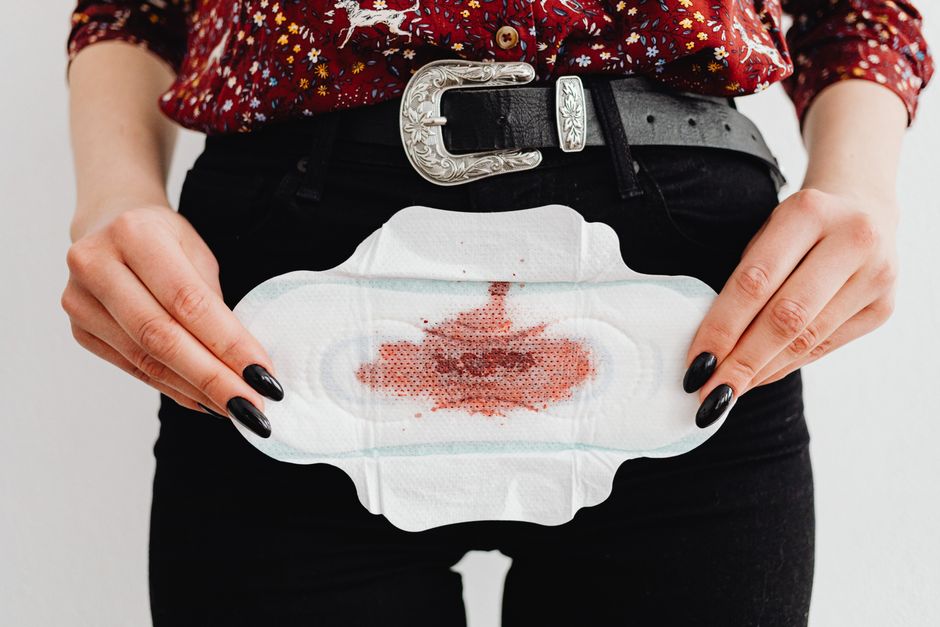
Blood on your pants is not a stain you scrub at. The single most important rule is to use cold water, never hot, because heat sets the proteins in blood and locks the stain into the fabric. Rinse the stain from the back of the fabric with cold running water as soon as you can, then treat it with a small amount of liquid detergent or a stain remover and let it sit before washing. If the blood has already dried, you can still remove most of it, but it takes more patience and a longer soak.
What follows is what actually works, what damages fabric, and why some common advice makes the stain permanent.
Why Does Cold Water Matter So Much For Blood Stains?
Blood contains proteins, and proteins change shape when they get hot. This is the same process that turns a raw egg from clear and runny into a solid white mass in a hot pan. When blood is exposed to warm or hot water, its proteins coagulate and bind tightly to the fibers of the fabric. Once that happens, the stain is far harder to remove because the protein is no longer sitting on the surface — it is tangled into the material itself.
Cold water keeps those proteins dissolved long enough for soap and water to lift them out. This is why the temperature rule is not a preference. It is the mechanism behind whether the stain comes out at all.
There is a second reason cold water helps. Blood also contains iron, which gives it the red color. Heat can help that iron bind more firmly to fabric, making the color harder to shift even after the protein is gone.
The practical takeaway is simple. Cold from the first second, and cold all the way through until the stain is gone.
How To Get Blood Out Of Pants: Step By Step
Start by acting fast if you can, but do not panic if the blood is already dry. Fresh stains come out more easily, but dried blood is still removable in most cases.
Here is the sequence that works on most washable fabrics.
- Rinse from the back. Hold the stained area under cold running water with the inside of the fabric facing the tap. Pushing water through from behind forces the blood out the way it came in, rather than driving it deeper.
- Apply liquid detergent. Rub a small amount of liquid laundry detergent or a dedicated enzyme-based stain remover directly into the stain. Let it sit for at least 15 minutes.
- Work it gently. Use your fingers or a soft brush. Aggressive scrubbing can push blood into the fibers and damage the fabric.
- Soak if needed. For stubborn or dried stains, soak the pants in cold water with detergent for 30 minutes to several hours. Longer soaking helps with old stains.
- Wash on cold. Launder as normal, but keep the water cold. Check the stain before drying.
- Air dry if unsure. If any trace of the stain remains, do not put the pants in a dryer. Heat will set whatever is left and make it nearly impossible to remove.
That last point is the one people get wrong most often. A stain that looks gone when wet can reappear after drying, and once it has been through a hot dryer, your options shrink dramatically.
What If The Blood Has Already Dried?
Dried blood is more stubborn but usually still removable. The key difference is time — you need to rehydrate the stain before you can lift it.
Soak the stained area in cold water for at least 30 minutes. Some people find that adding a small amount of salt to cold water helps loosen dried blood, though the evidence for salt specifically is limited and plain cold water with detergent does most of the work. After soaking, apply liquid detergent and let it sit before washing on cold.
For dried stains that have been there for days, you may need to repeat the soak-and-treat cycle more than once. This is normal. Each round loosens more of the stain.
Do not reach for hot water just because the stain is old. Heat will not help dried blood. It will only make the stain harder to remove.





Which Products Actually Help, And Which Do Not?
Enzyme-based detergents and stain removers tend to work best on blood because enzymes break down the proteins that make blood stick to fabric. Look for products labeled as containing enzymes or designed for protein stains.
Hydrogen peroxide is a common home remedy. It can lift blood from light-colored fabrics, but it is a mild bleach and can lighten or damage colored or delicate fabrics. Test it on a hidden area first, and do not use it on wool, silk, or anything you would not want lightened.
Here is how common approaches compare.
| Method | Best For | Caution |
|---|---|---|
| Cold water rinse | Fresh stains, all fabrics | None — always the first step |
| Liquid detergent | Most washable fabrics | Rinse thoroughly before drying |
| Enzyme stain remover | Protein stains including blood | Follow label directions |
| Hydrogen peroxide | Light-colored, sturdy fabrics | Can bleach or damage color |
| Hot water | Not recommended | Sets the stain permanently |
Some viral tips, like using meat tenderizer or aspirin, circulate widely. Meat tenderizer contains enzymes that can break down protein, which is why the idea persists, but there is little reliable evidence that it outperforms a standard enzyme detergent, and it can damage some fabrics. It is not a method worth relying on.
Does The Fabric Type Change What You Should Do?
Yes, and this matters more than most people realize. The same method does not work equally well on every material.
Cotton and most sturdy washable fabrics handle cold water, detergent, and gentle scrubbing well. These are the easiest to treat.
Wool and silk are protein fibers themselves. This means enzyme detergents, which are designed to break down protein, can actually damage the fabric over time. Use a gentle detergent made for these materials, keep everything cold, and avoid scrubbing. Hydrogen peroxide should be avoided entirely on these fabrics.
Denim is usually durable but can fade. Cold water and a mild detergent are safe, but strong stain removers or peroxide can strip the dye. Treat the stain and check the color before you commit to a full wash.
Delicate or dry-clean-only pants are a different situation. If the label says dry clean only, blot the stain with cold water and take it to a professional rather than risking damage at home. Tell them it is blood so they can treat it correctly.
What Should You Do If You Are Away From Home?
You cannot always get to a sink right away. When that happens, the goal is to keep the stain from setting until you can treat it properly.
Blot the stain with a clean cloth or paper towel using cold water if you have it. Do not rub, because rubbing spreads the stain and pushes it deeper into the fabric. If you have no water, blot what you can and keep the area damp if possible. Avoid anything warm.
If you can get to a restroom, rinse the stain from the back with cold water and blot dry with paper towels. Even a quick rinse buys you time. The longer blood sits and dries, the more work it takes later, so anything you can do in the moment helps.
Once you are home, treat the stain fully with the steps above. A stain that was blotted and kept damp is usually much easier to remove than one that was left to dry completely.
Why Do Some Stains Come Back After Washing?
A stain that reappears after washing usually was not fully removed in the first place. The wash may have faded it enough to look gone while wet, but traces remained in the fabric. When the pants dry, especially with heat, those traces become visible again and are now set.
This is why checking the stain before drying is so important. If you see any color remaining after washing, treat it again before it goes anywhere near a dryer. Once heat has set a stain, removal becomes much harder and sometimes impossible without damaging the fabric.
Repeating the cold-water, detergent, and soak process is almost always more effective than trying a harsher chemical. Patience beats force with blood stains.
Frequently Asked Questions
Does hot water really make blood stains worse?
Yes. Hot water causes the proteins in blood to coagulate and bind to fabric fibers, which sets the stain and makes it much harder to remove. Always use cold water from start to finish.
Can I get dried blood out of pants?
Usually yes. Soak the stain in cold water for at least 30 minutes to rehydrate it, then apply liquid detergent and wash on cold. Older stains may need the cycle repeated more than once.
Will hydrogen peroxide remove blood from pants?
It can lift blood from light-colored, sturdy fabrics, but it is a mild bleach that can lighten or damage colored, wool, or silk materials. Test it on a hidden spot first.
What if the blood stain is still there after washing?
Treat it again before drying, because heat from a dryer will set whatever remains and make it nearly impossible to remove. Repeat the cold-water and detergent process until the stain is gone.
