
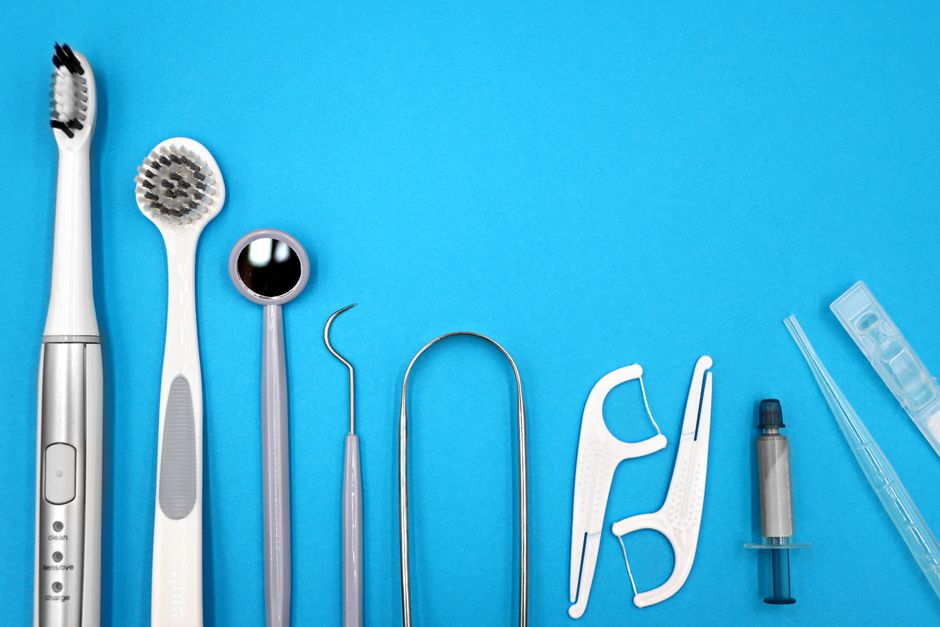
Your tongue holds more bacteria than almost any other part of your mouth. That is not a guess — it is established physiology. The rough surface of the tongue traps dead cells, food particles, and bacteria that brushing alone often misses. To get bacteria off your tongue effectively, you need to physically remove that coating. Both tongue scrapers and toothbrushes can do this, but they work differently. Scrapers remove more bacteria in fewer passes. Brushing loosens bacteria but tends to push some of it deeper into the tongue’s crevices. For most people, a tongue scraper is the more effective tool for reducing the bacterial load on the tongue.
How To Get Bacteria Off Your Tongue Scrapers Vs Brushing?
The short answer is that both tools remove bacteria, but they do not remove the same amount. Tongue scrapers are designed specifically for this job. Their flat, curved edge glides across the tongue surface and lifts the bacterial coating off in one motion. A toothbrush has soft bristles that can reach into the crevices of the tongue, but bristles are less efficient at pulling the entire coating away. Studies have consistently found that tongue scrapers reduce volatile sulfur compounds — the gases that cause bad breath — more effectively than brushing alone. That does not mean brushing is useless. It means the tools are not interchangeable.
If your goal is simply to reduce bad breath and clean the tongue surface, use a scraper. If you do not have a scraper available, a toothbrush is a reasonable backup. But the mechanical action is different. Scraping removes. Brushing redistributes. That distinction matters more than most people realize.
Why Does Bacteria Accumulate On The Tongue In The First Place?
The tongue is not a smooth surface. It is covered in tiny projections called papillae. Between these papillae are deep grooves and crevices. Food debris, dead epithelial cells, and bacteria collect in these spaces throughout the day. The back of the tongue is especially prone to buildup because it has less natural cleaning action from saliva flow and chewing.
This coating is not just dead tissue. It is a living biofilm — a community of bacteria that attaches to the tongue surface and builds up in layers. Biofilms are sticky by design. They resist simple rinsing and require mechanical disruption to remove. That is why swishing mouthwash alone does not fully clean the tongue. The biofilm must be physically scraped or brushed away.
Some bacteria on the tongue are beneficial and belong there. The goal is not to sterilize the tongue. The goal is to remove the excess buildup that contributes to bad breath, altered taste, and potential oral health issues.
What Does The Research Say About Scrapers Vs Brushing?
Clinical research on this topic is fairly consistent. Multiple studies have compared tongue scraping to toothbrush brushing for reducing oral bacteria and volatile sulfur compounds. The results generally favor tongue scrapers for immediate reduction of the tongue coating and associated bad breath.
One important distinction: brushing the tongue with a toothbrush does reduce bacteria. It is not ineffective. But the bristle design is optimized for cleaning the smooth surfaces of teeth, not the uneven terrain of the tongue. When you brush your tongue, the bristles slide over the papillae and can push bacteria deeper into the crevices rather than lifting them out. A scraper, by contrast, applies even pressure across the surface and peels the coating away.
Some research suggests that using both methods — brushing the tongue gently with a toothbrush and then following with a scraper — may offer the most complete cleaning. But for most people, a scraper alone is sufficient for tongue hygiene. The evidence does not support the idea that you need to do both every single time.





How To Use A Tongue Scraper Correctly
Technique matters more than tool choice. A tongue scraper used incorrectly will not remove much bacteria. Used correctly, it removes visible coating in one or two passes.
Start at the back of the tongue and pull the scraper forward toward the tip. Apply light to moderate pressure — enough to make contact with the surface but not enough to cause gagging or irritation. Rinse the scraper after each pass to remove the collected debris. Repeat two to five times, covering the entire surface of the tongue from back to front.
Do not scrape so hard that you damage the tissue. The tongue surface is delicate. Over-scraping can cause soreness, bleeding, or a temporary change in taste perception. If you see blood, you are using too much pressure. Back off and be gentler.
Clean your scraper after every use with warm water and soap. Dry it completely before storing. Tongue scrapers are typically made of stainless steel, copper, or plastic. All three materials can be cleaned effectively, but stainless steel and copper are easier to sterilize and tend to last longer.
How To Use A Toothbrush For Tongue Cleaning
If you choose to use a toothbrush for your tongue, technique is even more important. The bristles are not designed for this surface, so you need to adapt your approach.
Use a soft-bristled brush. Medium or hard bristles can irritate the tongue tissue. Place the brush at the back of the tongue and brush forward with gentle strokes. Do not scrub back and forth aggressively — this pushes bacteria into the crevices. Brush from back to front in a sweeping motion, rinse the brush, and repeat.
Some toothbrushes have a built-in tongue cleaner on the back of the brush head. These textured pads work similarly to a scraper but are smaller. They are better than the bristles alone but generally less effective than a dedicated scraper because of their smaller surface area.
One point that is often overlooked: if you brush your tongue with the same toothbrush you use for your teeth, you are transferring bacteria from your tongue back onto your toothbrush. This is not a major health risk for most people, but it is worth rinsing your brush thoroughly after tongue cleaning. Some dentists recommend using a separate brush for tongue cleaning if you have recurrent oral infections or a weakened immune system.
How Often Should You Clean Your Tongue?
Once a day is the standard recommendation for tongue cleaning. Doing it in the morning before eating is common because the tongue coating is thickest after a night of reduced saliva flow. Some people prefer to do it at night before bed. The evidence does not strongly favor one time over the other. Consistency matters more than timing.
Cleaning your tongue more than once a day is not harmful for most people, but it is also not necessary. The tongue will redevelop its bacterial coating within hours. That is normal and expected. You are not failing at oral hygiene if your tongue looks coated again by the afternoon.
People with a heavy tongue coating — often associated with dry mouth, smoking, or certain medications — may benefit from cleaning the tongue twice daily. But for the average person, once daily tongue cleaning plus regular toothbrushing is sufficient for good oral hygiene.
Does Tongue Cleaning Actually Prevent Bad Breath?
Yes, but with an important qualification. Bad breath — clinically called halitosis — is caused primarily by bacterial activity in the mouth. Bacteria break down proteins and release volatile sulfur compounds. These gases smell like rotten eggs or decay.
The tongue is the single largest reservoir of these bacteria in the mouth. Studies have shown that the back of the tongue is the primary source of bad breath in most cases. Removing that bacterial coating directly reduces the source of the odor.
Tongue cleaning alone will not cure bad breath that originates elsewhere. Gum disease, tooth decay, sinus infections, tonsil stones, and certain systemic conditions can all cause bad breath. If you clean your tongue regularly and bad breath persists, the cause is likely not your tongue. See a dentist or doctor for an evaluation.
Also, mouthwash is not a substitute for mechanical cleaning. Mouthwash can temporarily mask odor and kill some bacteria, but it does not remove the biofilm. The bacteria recolonize quickly. Mechanical removal — scraping or brushing — is the only method that physically eliminates the buildup.
Can Tongue Cleaning Affect Your Sense Of Taste?
Yes, and this is a benefit that is less commonly discussed. The tongue coating can cover the taste buds and dull your ability to taste food. Removing that coating exposes the taste buds to food more directly.
Some people report that food tastes stronger and more flavorful after they start cleaning their tongue regularly. This is not a marketing claim — it is a documented effect. A thick tongue coating physically blocks taste receptors from contacting food molecules.
If you notice that your sense of taste has diminished, and you have a visible white or yellow coating on your tongue, tongue cleaning may help. It is a simple intervention with a measurable effect for many people.
What About Copper Tongue Scrapers?
Copper tongue scrapers have become popular in recent years. Some manufacturers claim copper has natural antimicrobial properties. That claim is based on real science — copper surfaces do kill bacteria on contact. This is well established in materials science and infection control research.
However, the practical benefit for tongue cleaning is less clear. The scraper is in contact with your tongue for only a few seconds at a time. Whether that brief contact provides meaningful antibacterial action beyond the mechanical scraping is not supported by strong clinical evidence. The scraping itself is doing the work.
Copper scrapers are not harmful. They are durable and easy to clean. But if you are choosing between copper and stainless steel, the material difference likely matters less than the design and your technique. Buy whichever you will use consistently.
Common Mistakes People Make With Tongue Cleaning
The most common mistake is scraping too aggressively. People assume that more pressure means a cleaner tongue. The opposite is true. Excessive pressure irritates the tissue, causes bleeding, and can actually increase inflammation.
The second mistake is only cleaning the front of the tongue. The back of the tongue harbors the most bacteria. It is also the area that triggers the gag reflex, so people avoid it. Push through the discomfort gradually. Start further forward and work your way back over several days as your gag reflex adapts.
The third mistake is neglecting to clean the tool. A tongue scraper that is not rinsed and dried properly becomes a breeding ground for the same bacteria you are trying to remove. Wash it after every use. Replace plastic scrapers every few months when they show signs of wear.
The fourth mistake is expecting tongue cleaning to replace brushing and flossing. It does not. Tongue cleaning is an addition to a complete oral hygiene routine, not a replacement for it.
Frequently Asked Questions
Is a tongue scraper better than brushing your tongue?
Yes, for most people. Studies show tongue scrapers remove more of the bacterial coating and reduce bad breath more effectively than a toothbrush alone.
How many times a day should I scrape my tongue?
Once daily is sufficient for most people. Morning scraping before eating is common because the coating is thickest after sleep.
Can tongue scraping damage your taste buds?
No, when done gently. Scraping removes the coating that covers taste buds, which often improves taste perception rather than harming it.
Should I scrape my tongue before or after brushing my teeth?
Either order works. Some dentists suggest scraping before brushing so the fluoride from toothpaste can reach the freshly cleaned tongue surface.
