
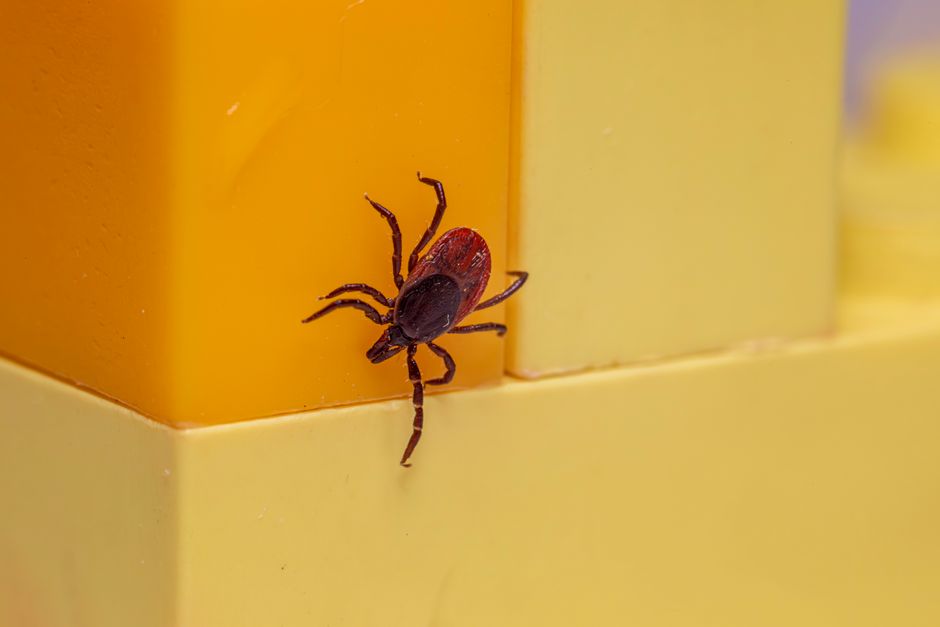
Finding a tick on your baby is frightening, but the removal itself is simple and takes only a minute. Use fine-tipped tweezers, grip the tick as close to your baby’s skin as you can, and pull straight up with steady, even pressure. Do not twist, jerk, or squeeze the tick’s body. Do not burn it, smother it with petroleum jelly, or paint it with nail polish. Those folk methods can make the tick release more saliva into the bite, which is the opposite of what you want.
Once the tick is out, save it in a sealed container or a plastic bag with a damp paper towel. That way, if your baby develops symptoms in the following weeks, a doctor can identify the tick species. Most tick bites in babies cause nothing more than a small red bump. A minority transmit disease, and knowing which tick bit your child helps guide what happens next.
How To Get Baby Ticks Off You Fast And Safely
Speed matters, but technique matters more. A tick that has been attached for less than 24 hours is far less likely to transmit most tick-borne infections than one attached for several days. That is why the goal is prompt, complete removal — not a rushed removal that leaves mouthparts behind.
Here is the method health agencies consistently recommend:
- Use fine-tipped tweezers. Not your fingers, not a cotton swab, not a match.
- Grasp the tick as close to the skin surface as possible. Get the tips right against your baby’s skin.
- Pull upward with steady, even pressure. Do not twist or jerk.
- If mouthparts remain in the skin and you cannot remove them easily, leave them alone and let the skin heal.
- Clean the bite area and your hands with rubbing alcohol, an iodine scrub, or soap and water.
- Dispose of the tick by putting it in alcohol, placing it in a sealed bag or container, wrapping it tightly in tape, or flushing it down the toilet.
That last step about saving the tick is not busywork. If your baby later develops a rash, fever, or other symptoms, having the tick preserved lets a clinician identify it and narrow down which diseases are possible. Photographing the tick before disposal is a reasonable alternative if you do not want to keep it.
One clarification worth knowing: the old advice to “make sure you get the head out” causes more harm than good. The tick’s mouthparts are anchored in the skin, and digging at them with a needle or your fingernails can push bacteria deeper and cause a secondary infection. If a small black speck remains after removal, it usually works its way out on its own like a splinter.
Why You Should Never Use Home Remedies Like Vaseline or Nail Polish
Smothering methods do not work, and they can backfire. Coating a tick in petroleum jelly, nail polish, alcohol, or oil does not reliably make it detach. What it can do is agitate the tick, causing it to regurgitate stomach contents and saliva into your baby’s bloodstream — which is exactly the mechanism by which disease-causing organisms get transmitted.
The same problem applies to holding a lit match to the tick or trying to freeze it off. These methods delay proper removal and increase the risk of transmission. They also risk burning or irritating your baby’s skin, which is thin and far more vulnerable than an adult’s.
There is a persistent myth that you should wait for a tick to “back out” on its own. Ticks do not do this. They stay attached until they are full, which can take days. Every hour of attachment is additional time for a pathogen to move from the tick into your child.
What Does a Tick Bite Look Like on a Baby?
A fresh tick bite usually appears as a small red bump or a tiny area of irritation at the attachment site. It may itch. In the first day or two, a mild local reaction is normal and does not mean your baby has been infected with anything.
What matters is what develops afterward. A expanding rash that appears days to weeks after the bite deserves medical attention, particularly if it forms a ring pattern. That said, not every tick-borne illness produces the classic “bullseye” rash, and not every bullseye rash is Lyme disease. Several conditions can cause similar skin findings, which is why a clinician — not a photo on the internet — should evaluate any rash that follows a tick bite.
Watch for these signs in the weeks after removal:
- A rash that grows larger over several days
- Fever, chills, or unusual fatigue
- Headache or muscle aches
- Joint swelling or pain
- Facial drooping or weakness
Babies cannot tell you they have a headache or muscle aches. Instead, you may notice increased fussiness, poor feeding, or unusual sleepiness. Those are reasons to call your pediatrician.
Should You See a Doctor After Removing a Tick From Your Baby?
Not every tick bite requires a medical visit. A tick that was attached for a short time, was removed cleanly, and was not engorged carries a low risk of transmission for most diseases. Many pediatricians will advise you to monitor at home in that situation.
There are situations where a call to your pediatrician is warranted:
- The tick was attached for a long time or was visibly engorged with blood
- You could not remove all of it and the site looks infected
- Your baby develops a rash, fever, or unusual behavior in the following weeks
- You live in or recently traveled to an area where tick-borne diseases are common
Some clinicians prescribe preventive antibiotics after a high-risk tick bite in certain circumstances. Whether that applies to your baby depends on the tick species, how long it was attached, and where you live. This is a decision for a clinician who knows your situation — not something to self-manage at home, and not something to assume is necessary.
Do not give your baby leftover antibiotics or any medication without a doctor’s guidance. Dosing for infants and young children is weight-based and specific, and inappropriate antibiotic use carries real risks.
How to Prevent Ticks From Getting on Your Baby
Prevention is more effective than removal. Ticks live in grassy, brushy, and wooded areas, and they wait on vegetation for a host to brush past. Your baby is close to the ground and often in a stroller or carrier, which means different exposure points than an adult.
Practical steps that reduce risk:
- Keep your baby in the center of trails and away from tall grass and leaf litter
- Dress your baby in light-colored clothing so ticks are easier to spot
- Cover the skin where practical — long socks, long sleeves, and a hat
- Check your baby thoroughly after any time outdoors, including the scalp, behind the ears, under the arms, around the waist, and in the diaper area
- Shower or bathe your baby soon after coming inside, which can help wash off unattached ticks
- Check pets, gear, and clothing before bringing them indoors
Regarding insect repellents: the evidence on safe use in infants is limited, and product guidance varies by age. The general direction from public health agencies is that repellents are not recommended for very young infants, and that the specific age threshold depends on the product. Ask your pediatrician what is appropriate for your child’s age before applying anything. Do not assume a “natural” repellent is safe for a baby just because it is plant-based — some essential oils are not safe for infants.
The Bottom Line on Timing
How fast you remove a tick matters less than how completely you remove it, but both matter. A tick removed within the first day of attachment is much less likely to have transmitted an infection than one that stays attached for several days. So checking your baby after outdoor time — and checking again the next morning — is one of the most useful habits you can build.
If you find one, stay calm. Tweezers, steady pressure, straight up. Clean the area, save the tick, and note the date. Then watch your baby over the next few weeks and call your pediatrician if anything seems off. That sequence covers the vast majority of situations.
Frequently Asked Questions
Can I remove a tick with my fingers if I don’t have tweezers?
It is better to wait for fine-tipped tweezers than to use your bare fingers, because squeezing the tick’s body can push infected fluids into your baby’s skin. If tweezers are truly unavailable, use a tissue or cloth to protect your fingers and grasp as close to the skin as possible.
What happens if the tick’s head stays in my baby’s skin?
If mouthparts remain and you cannot remove them easily, leave them alone and let the skin heal. Digging at them can cause infection, and the remaining fragment usually works its way out on its own like a splinter.
How long does a tick have to be attached to transmit disease?
For most tick-borne infections, transmission generally requires the tick to be attached for an extended period, often many hours to a few days depending on the disease and tick species. Prompt removal within the first day substantially lowers the risk.
Should I save the tick after removing it from my baby?
Yes, saving the tick in a sealed container or plastic bag is useful because it allows a clinician to identify the species if your baby later develops symptoms. If you prefer not to keep it, take a clear photo first.
