
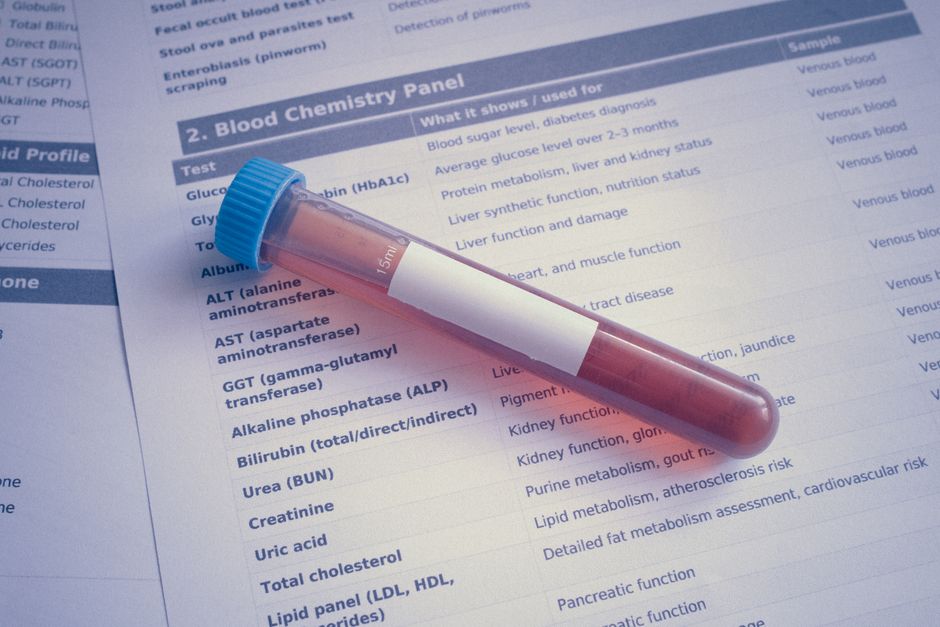
There is no single test that tells you whether you have irritable bowel syndrome. A doctor reaches an IBS diagnosis by taking a detailed history, doing a physical exam, and ordering a focused set of tests mainly to rule out other conditions that cause the same symptoms. If those tests come back normal and your symptoms match a recognized pattern, that is when the diagnosis is made.
That surprises many people. They expect a scan or a blood test to confirm IBS the way a test confirms strep throat. Instead, IBS is what clinicians call a diagnosis of exclusion, meaning it is reached after other explanations are reasonably ruled out. The exact tests you need depend on your age, your symptoms, and your risk factors.
How Is IBS Actually Diagnosed?
Doctors use symptom-based criteria, not a lab result. The most widely used framework is called the Rome criteria, a set of symptom patterns developed and updated by international groups of gastroenterologists.
The core pattern for IBS is recurring abdominal pain that is related to having a bowel movement, and that comes with a change in how often you go or in how your stool looks. That pain generally needs to have been present for a defined period, and clinicians look for it on a recurring basis rather than as a one-time event.
What matters most is the pattern, not any single symptom. Everyone gets a stomachache or a loose stool now and then. IBS is about a recurring relationship between pain and bowel habits that has been going on for a while.
Your doctor is also listening for “alarm features” that point away from IBS and toward something else. These include bleeding, unexplained weight loss, anemia, fever, or symptoms that wake you from sleep. When those are present, the evaluation changes.
What Tests Should You Expect?
There is no single required panel. The tests ordered depend on your symptoms and your risk factors. For many younger people with typical symptoms and no alarm features, testing may be minimal. For older adults, or anyone with warning signs, the workup is more thorough.
Here are the tests that come up most often, and what each one is actually looking for.
- Blood count (CBC): Checks for anemia or signs of infection or inflammation that would suggest another cause.
- Celiac disease blood tests: Celiac disease can cause bloating, diarrhea, and cramping that closely mimic IBS, so testing for it is common.
- Thyroid tests: An overactive or underactive thyroid can change bowel habits and is worth ruling out.
- Stool tests: Used to look for infection, inflammation, or blood that should not be there.
- Colonoscopy: Often recommended based on age or specific risk factors, not for everyone with suspected IBS.
An important point about celiac testing: it only works if you are still eating gluten. If you have already cut gluten out of your diet, the blood tests and any biopsy can come back falsely normal. Tell your doctor if you have changed your diet before testing.
What Symptoms Point Toward IBS?
The hallmark is pain tied to bowel habits. Beyond that, the stool itself often gives clues. Some people have mostly diarrhea, some mostly constipation, and some swing between the two. Those patterns are why IBS is often described in subtypes.
Other common features include bloating, a sense of incomplete emptying after a bowel movement, and mucus in the stool. Symptoms often come and go rather than staying constant.
It helps to track your symptoms before your appointment. Note how often you go, what your stool looks like, when pain occurs, and what you ate. This kind of record gives your doctor far more to work with than a vague description.
When Is a Colonoscopy Needed?
A colonoscopy is not a routine test for everyone with suspected IBS. It is a procedure that uses a camera to look directly at the lining of the colon, and it is usually reserved for people who have a specific reason to need it.
Reasons a doctor may recommend one include being older than the recommended screening age, having blood in the stool, unexplained weight loss, anemia, a family history of colon cancer or inflammatory bowel disease, or symptoms that have changed or gotten worse over time. Screening guidelines for colon cancer also matter here, since a routine screening colonoscopy may be due based on age alone.
If you are younger, have typical IBS symptoms, and have no alarm features, you may not need a colonoscopy at all. This is one of the most common sources of confusion, so it is worth asking your doctor directly why a test is or is not being recommended in your case.
What Conditions Can Look Like IBS?
Several conditions produce symptoms that overlap closely with IBS, which is exactly why testing happens in the first place.
Celiac disease is a major one, because the bloating, diarrhea, and cramping can be nearly identical. Inflammatory bowel disease, which includes Crohn’s disease and ulcerative colitis, can also cause recurring pain and bowel changes, though it often brings inflammation that shows up in tests. Thyroid disorders, certain infections, and problems with how the small intestine absorbs nutrients can also mimic it.
Some of these are treated very differently from IBS. Missing them means missing treatment that could actually help. That is the whole reason the diagnostic process leans on ruling things out first.
How Long Does Getting a Diagnosis Take?
There is no fixed timeline. Some people get a working diagnosis after a single visit if their symptoms fit the pattern and their risk is low. Others go through several rounds of testing over weeks or longer.
How long it takes depends on which tests are ordered, how quickly results come back, and whether anything abnormal turns up that needs a closer look. A colonoscopy, for instance, usually requires scheduling and a prep day beforehand, so it adds time.
If your symptoms are getting worse, or if you develop any of the alarm features, do not wait for a scheduled follow-up. Contact your doctor sooner.
What Happens After You Are Diagnosed?
Once other conditions are ruled out and your symptoms fit the pattern, the diagnosis is made. From there, management usually starts with diet and lifestyle approaches, and may include medications depending on your subtype and how much your symptoms affect your life.
It is worth knowing that IBS is a real, recognized condition, not something you are imagining. The symptoms are genuine and the diagnosis is based on established clinical criteria. At the same time, the evidence for any single treatment is mixed, and what helps one person may not help another. That is an honest picture of where the science stands.
If you are unsure whether your symptoms warrant an evaluation, that question is best answered by a clinician who can look at your full history rather than by a checklist.
Frequently Asked Questions
Is there a blood test that confirms IBS?
No, there is no blood test that confirms IBS. Blood tests are used to rule out other conditions like celiac disease or thyroid problems, not to diagnose IBS itself.
Can IBS be diagnosed without a colonoscopy?
Yes, many people are diagnosed without one. A colonoscopy is typically recommended based on your age, risk factors, or alarm symptoms like bleeding or weight loss, not for everyone with suspected IBS.
What is the Rome criteria for IBS?
The Rome criteria are symptom-based guidelines used by clinicians to identify IBS based on recurring abdominal pain tied to bowel habits. They are a framework for diagnosis, not a lab test.
How do I know if my symptoms are IBS or something else?
You cannot reliably tell on your own, because conditions like celiac disease and inflammatory bowel disease cause very similar symptoms. A doctor uses your history and targeted tests to sort out the difference.
