
You can get all the vitamins and minerals you need in a day by eating a varied diet built around vegetables, fruits, whole grains, protein foods, and healthy fats. No single food covers everything. The practical goal is variety across the day, not perfection on your plate. For most healthy adults, food alone can meet vitamin and mineral needs, though a few nutrients deserve extra attention.
The word “all” is doing a lot of work in that question. There are 13 essential vitamins and a longer list of minerals your body needs. Hitting every one of them every single day is less important than getting them consistently over time. Your body stores some nutrients, like vitamin A and vitamin B12, so a low day here and there is not a crisis.
What Counts As All The Vitamins And Minerals You Need?
Nutrition science recognizes 13 essential vitamins: A, C, D, E, K, and the eight B vitamins (thiamine, riboflavin, niacin, pantothenic acid, B6, biotin, folate, and B12). The essential minerals include calcium, phosphorus, potassium, sodium, chloride, magnesium, iron, zinc, iodine, sulfur, cobalt, copper, fluoride, manganese, and selenium.
That is a long list. The good news is that these nutrients are not scattered randomly across the food supply. They cluster in recognizable patterns. Colorful vegetables carry different vitamins than grains. Animal foods and legumes carry minerals that plants alone can struggle to provide in sufficient amounts.
One clarification worth knowing: “essential” means your body cannot make enough of it on its own, so you must get it from food or supplements. Vitamin D is a partial exception because your skin makes it from sunlight. Vitamin K and biotin are also partly produced by gut bacteria, though the amounts are generally not enough to rely on.
How Do You Build A Day Of Food That Covers Every Nutrient?
The most reliable approach is to think in food groups rather than nutrients. If you cover the groups well, the nutrients tend to follow.
Here is a practical framework for a single day:
- Vegetables and fruits: Aim for a wide range of colors. Dark leafy greens like spinach and kale provide vitamin K, folate, and iron. Citrus, peppers, and tomatoes cover vitamin C. Orange and yellow vegetables carry beta-carotene, which your body converts to vitamin A.
- Whole grains: Brown rice, oats, whole wheat, and quinoa supply B vitamins, magnesium, and selenium. Refined grains are often enriched with B vitamins, but whole grains carry more naturally.
- Protein foods: Rotate among eggs, fish, poultry, meat, beans, lentils, tofu, and dairy. This rotation covers B12, iron, zinc, and selenium. B12 occurs naturally almost only in animal foods, which matters for vegetarians and vegans.
- Dairy or fortified alternatives: These are among the most practical sources of calcium and often vitamin D. Fortified plant milks can match dairy if you choose products with added calcium and D.
- Healthy fats: Nuts, seeds, olive oil, and avocados provide vitamin E and help your body absorb the fat-soluble vitamins A, D, E, and K.
That last point is easy to miss. Fat-soluble vitamins need dietary fat to be absorbed efficiently. A salad of spinach and carrots delivers more vitamin A and K when it includes some oil or nuts. This is well-established physiology, not a diet trend.
Which Nutrients Are Hardest To Get From Food Alone?
A few nutrients are genuinely difficult to get in optimal amounts from diet alone. Vitamin D is the clearest example. It occurs naturally in very few foods, mainly fatty fish and egg yolks. Your skin makes it from sunlight, but production drops in winter, at northern latitudes, and with consistent sunscreen use or limited sun exposure.
Iron is another. Heme iron from meat, poultry, and fish is absorbed efficiently. Non-heme iron from plants is absorbed less well. Pairing plant iron with vitamin C helps absorption. Coffee and tea can reduce it if drunk with the meal.
Calcium deserves attention if you avoid dairy. Leafy greens like kale and bok choy provide calcium, but spinach does not deliver much usable calcium because of its oxalate content. Fortified foods and supplements often become the practical route.
B12 is the nutrient most likely to be missing in a vegan diet. No reliable plant source of B12 exists. Fortified foods and supplements are the established solution, and this is one area where the guidance is clear rather than debated.
Do You Need A Multivitamin To Fill The Gaps?
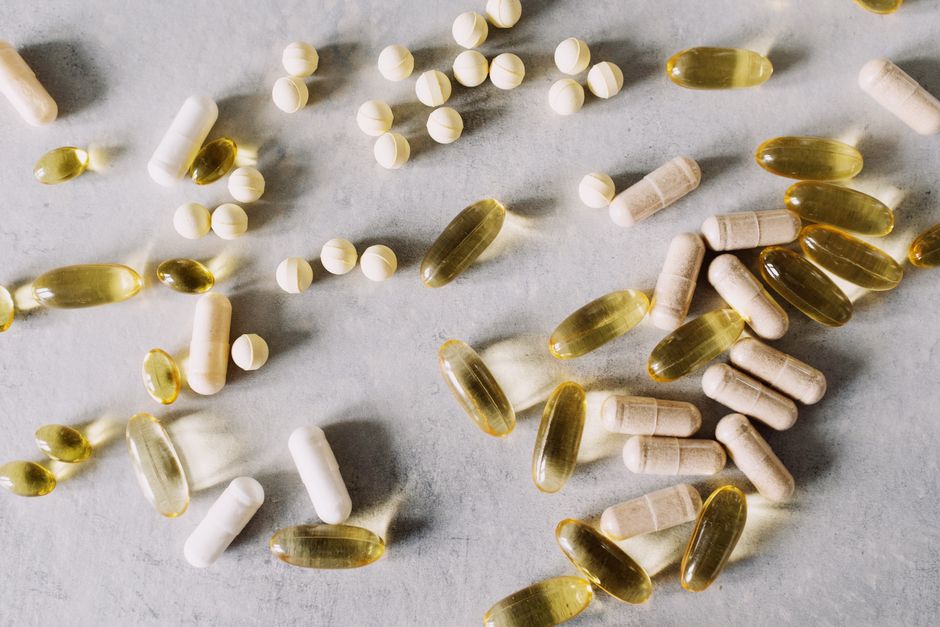
For most healthy adults eating a varied diet, a multivitamin is not necessary. That is the general position of major nutrition and medical bodies. It is not harmful for most people, but it does not replace food and the evidence that it prevents disease in well-nourished adults is limited.
There are exceptions worth knowing. People who are pregnant or planning pregnancy are generally advised to take folic acid, and often vitamin D and iron based on individual assessment. People over 50 may absorb B12 less well from food and are sometimes advised to get it from fortified foods or supplements. Vegans need B12. People with limited sun exposure may need vitamin D.
Here is where honesty matters: no large human trials have confirmed that a daily multivitamin reduces the risk of major chronic disease in generally healthy adults. Some clinicians recommend one as a low-cost nutritional insurance policy, but that is a judgment call, not an established recommendation. If you are considering supplements, especially at higher doses, talk to a clinician. Some vitamins and minerals are harmful in excess, and supplements can interact with medications.
How Do You Handle Special Diets And Life Stages?
Your needs shift with age, diet, and life stage. A one-size plan does not fit everyone.
Vegetarians and vegans need to plan for B12, iron, zinc, calcium, and omega-3 fats. Fortified foods and, where appropriate, supplements cover these. Iron absorption improves with vitamin C at meals and worsens with tea or coffee at the same time.
People over 50 often absorb B12 less efficiently from food and may benefit from fortified sources or supplements. Calcium and vitamin D become more important as bone density declines with age.
Pregnant and breastfeeding women have higher needs for several nutrients, including folate, iron, iodine, and choline. No general dosing applies here. Supplement decisions should come from a clinician who knows your situation, because needs and safe upper limits differ.
For infants and young children, no clinical guidelines exist for self-directed supplementation. Their needs are specific and should be managed with a pediatric clinician.
What Does A Realistic Day Of Eating Look Like?
A single day that covers the bases does not require exotic foods or precise measuring. It requires variety and a few deliberate choices.
Breakfast might be oats with milk or fortified plant milk, berries, and a handful of nuts. That covers B vitamins, calcium, vitamin C, vitamin E, and fiber. Lunch could be a salad with spinach, chickpeas, tomatoes, olive oil, and a squeeze of lemon, plus whole grain bread. That adds vitamin K, folate, iron, and vitamin C to help absorb the iron. Dinner might be salmon or tofu with sweet potato and broccoli. That covers vitamin D (from salmon), vitamin A, vitamin C, and more calcium.
A snack of yogurt or fortified alternatives and a piece of fruit fills remaining gaps. Across a day like this, you have touched nearly every essential vitamin and mineral without counting a single one.
The point is not that this exact menu is required. It is that variety across food groups, colors, and protein sources does the work. Repeat it most days and adjust for your diet and life stage.
What Gets In The Way Of Meeting Your Needs?
Several everyday habits quietly work against nutrient intake. Knowing them helps you adjust without overthinking.
Heavy reliance on ultra-processed foods crowds out nutrient-dense ones. Refined grains and sugary foods can displace whole grains and vegetables. Restrictive dieting, whether for weight loss or health reasons, can create gaps if entire food groups disappear.
Alcohol interferes with the absorption and use of several B vitamins, including thiamine and folate. Smoking affects vitamin C levels. Certain medications can reduce absorption of specific nutrients, which is a reason to ask your clinician or pharmacist about interactions rather than assume.
Chronic stress and poor sleep do not directly strip vitamins from your body, but they affect appetite and food choices. The practical fix is the same: build meals around whole foods and keep variety consistent.
Frequently Asked Questions
Can you get all your vitamins and minerals from food alone?
For most healthy adults eating a varied diet, yes, food can meet vitamin and mineral needs. Vitamin D and B12 are the nutrients most likely to need extra attention depending on sun exposure and diet.
What is the easiest way to get all vitamins in a day?
Eat a mix of colorful vegetables, fruits, whole grains, protein foods, dairy or fortified alternatives, and healthy fats across the day. Variety across food groups covers the nutrients more reliably than any single food.
Do I need a multivitamin if I eat healthy?
Most healthy adults who eat a varied diet do not need one. No large trials have confirmed that a daily multivitamin prevents major chronic disease in well-nourished adults, though some clinicians recommend one as nutritional insurance.
Which nutrient is hardest to get from food?
Vitamin D is the most difficult, because few foods contain it naturally and sun exposure varies widely. B12 is the hardest for vegans, since no reliable plant source exists.
