
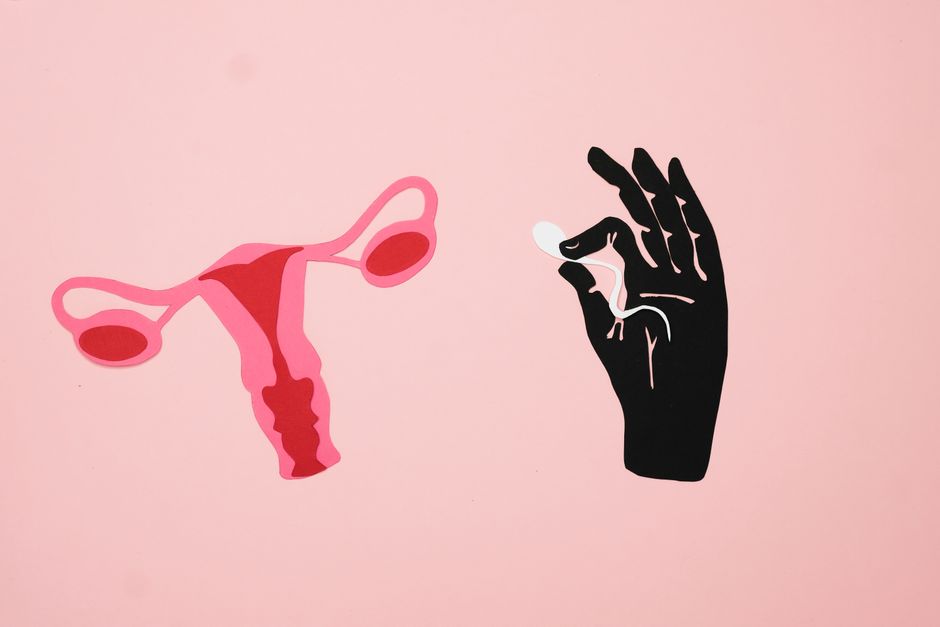
Feeling air trapped inside your uterus can be uncomfortable and sometimes alarming. The sensation is real, but the air usually isn’t dangerous. It often happens after certain procedures, during menstruation, or even after sexual activity. Getting relief typically involves simple body positioning, gentle movement, or waiting for your body to release the pressure naturally. Here is what you need to know about why this happens and how to manage it safely.
Can Air Actually Get Trapped In Your Uterus?
Yes, it can. The uterus is a potential space, meaning its walls usually touch, but they can open slightly. Air can enter through the cervix, which is the opening between the vagina and the uterus. The cervix is normally closed, but it opens slightly during menstruation, after childbirth, or during certain medical procedures.
When air enters this space, it can become trapped. The uterus is not a rigid organ like a bone. It is a muscular structure that can expand slightly. When air gets in and the cervix closes again, that air has nowhere to go. This creates pressure and sometimes a bubbling or moving sensation.
This condition is not typically a medical emergency. In most cases, the body absorbs the air or releases it naturally. However, understanding when this is normal and when it signals a problem is important for your health.
What Causes Air To Enter The Uterus?
Several everyday situations can introduce air into the uterine cavity. Knowing these causes helps you understand whether your experience is normal or needs attention.
Medical procedures are the most common cause. Hysteroscopy, where a camera inspects the inside of the uterus, uses gas or fluid to expand the cavity. IUD insertion and removal also introduce air. Even a routine Pap smear or pelvic exam can push a small amount of air through the cervix. Doctors use a tool called a speculum which holds the vaginal walls open, and air can enter during this process.
Menstruation is another common time for this sensation. The cervix opens slightly to allow menstrual blood to flow out. During this time, air can enter. Some women report a popping or pressure sensation during their period, which is often trapped air being released.
Sexual activity can also introduce air. Vaginal penetration can push air inward. Certain positions are more likely to cause this. The air usually escapes quickly, but sometimes it moves upward toward the cervix.
Childbirth and the postpartum period are also times when air can enter. The cervix remains open for several weeks after delivery. During this time, air can move freely into the uterine cavity.
What Does Trapped Uterine Air Feel Like?
The sensation varies from person to person. Some describe it as a dull pressure low in the pelvis. Others feel a distinct bubbling or gurgling sensation. Some women report a sharp, brief pain that resolves quickly.
You might also notice a discharge of air through the vagina. This is called vaginal flatulence and is completely normal. It sounds like a puff of air and is not associated with any odor or fecal matter. This release often brings immediate relief from pressure.
In most cases, the sensation is brief. It lasts a few minutes to a few hours. If the pressure is severe, lasts for days, or is accompanied by fever or unusual discharge, you should contact a healthcare provider. These symptoms could indicate an infection or another issue that requires medical attention.





How To Get Air Out Of Your Uterus
If you feel air trapped in your uterus, several safe methods can help your body release it. None of these require inserting anything into your vagina. They rely on gravity and body positioning.
Change your position. Lying on your back with your knees pulled toward your chest can help. This position, sometimes called the happy baby pose in yoga, opens the pelvic area. Hold this position for a few minutes. Alternatively, lying on your side with your knees bent toward your chest can also help release pressure.
Move gently. Walking or doing light stretching can help your body shift and release trapped air. The movement stimulates the pelvic muscles and can help open the cervix slightly. Squatting is another effective position. It relaxes the pelvic floor and allows air to escape.
Try the knee-to-chest position. This position is also called the genupectoral position. You kneel and lower your chest to the floor while keeping your hips elevated. This position uses gravity to help air move out through the cervix. Hold it for five to ten minutes if comfortable.
Relax your pelvic floor. Tension in the pelvic floor muscles can trap air. Deep breathing and consciously relaxing these muscles can help. Think of letting go rather than holding in. This is the same muscle group you use to stop urine flow.
These methods are safe and have no side effects. They work best when combined with patience. The body will usually release the air on its own within a few hours.
How To Prevent Air From Getting Trapped
Prevention depends on the cause. For everyday situations, you cannot fully prevent air from entering the uterus. The cervix opens and closes on its own schedule. However, you can reduce the likelihood of trapped air.
During sexual activity, changing positions can help. Positions where your hips are higher than your chest, such as lying flat on your back, may reduce air entry. If you experience trapped air frequently after sex, try positions that do not involve deep penetration. Communicate with your partner about adjusting angles.
During menstruation, you cannot prevent air from entering the open cervix. However, using a menstrual cup rather than a tampon may change the dynamics. Some women report more air sensation with cups because the cup creates a seal that can trap air. If this bothers you, switching to pads or tampons may reduce the sensation.
After medical procedures, ask your doctor about the likelihood of trapped air. For hysteroscopy, the gas used is absorbed by the body over time. For IUD insertion, any trapped air typically resolves within a day. You cannot prevent this, but you can prepare for the sensation and use the release positions described above.
Kegel exercises can help in the long term. Strengthening your pelvic floor muscles gives you more control over the muscles surrounding the cervix. This control may help you relax and release air more easily when you feel pressure.
When Should You See A Doctor?
Trapped air alone is rarely a reason to see a doctor. However, you should seek medical advice if the sensation comes with other symptoms.
Contact a healthcare provider if you experience:
- Fever above 100.4°F (38°C)
- Foul-smelling vaginal discharge
- Heavy bleeding that soaks a pad every hour
- Severe or worsening pelvic pain
- Pain during intercourse that does not resolve
- Symptoms that last longer than a few days
These symptoms could indicate pelvic inflammatory disease, a uterine infection, or another condition. Air trapped in the uterus is not dangerous by itself. But if it is accompanied by these signs, the underlying cause may require treatment.
If you recently gave birth or had a procedure and develop a fever with trapped air sensation, seek medical care promptly. This combination could indicate an infection in the uterine lining, a condition called endometritis. This requires antibiotic treatment.
Does Trapped Air Mean Something Is Wrong With Your Fertility?
No. Trapped air in the uterus does not affect fertility. The air does not damage the uterine lining or interfere with implantation. It is a physical sensation caused by pressure, not a sign of a reproductive problem.
Some women worry that trapped air indicates a uterine abnormality. This is not the case. The uterus is designed to open and close. Air entering and leaving is a normal function of this movement.
If you are trying to conceive and experience frequent trapped air, this should not concern you. It does not affect ovulation, fertilization, or implantation. If you have other fertility concerns, discuss those separately with your doctor.
Frequently Asked Questions
Is trapped air in the uterus dangerous?
No, trapped air in the uterus is not dangerous. It is a common sensation that resolves on its own within a few hours.
How long does trapped air in the uterus last?
Most cases resolve within a few hours. If the sensation lasts more than a day or comes with pain or fever, contact a doctor.
Can you get air trapped in your uterus from a menstrual cup?
Yes, some women report trapped air when using a menstrual cup. The cup creates a seal that can hold air against the cervix. Removing the cup usually releases it.
Does trapped air mean you have an infection?
No, trapped air alone does not indicate infection. However, if it is paired with fever, foul discharge, or severe pain, those symptoms warrant medical evaluation.
