
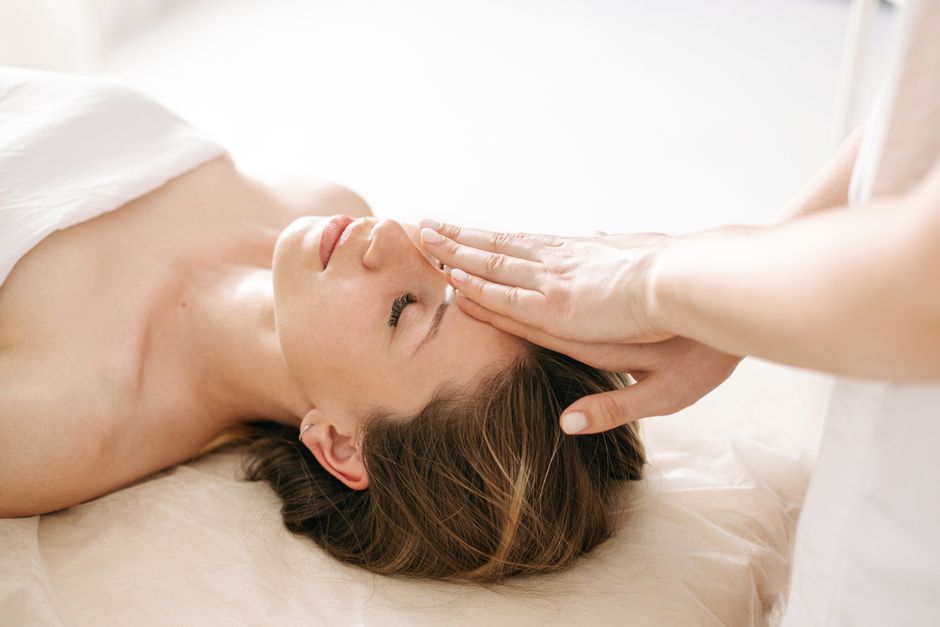
Most people want a pimple to disappear fast, and bringing it to a head can make it easier to treat at home. The safest way to encourage a zit to come to a head is to apply a warm compress for 10 to 15 minutes several times a day. This helps draw blood flow to the area and can help the pus move closer to the surface. You should never squeeze or pop a pimple that is not ready, as this can cause scarring and make the infection worse.
Why Do Some Pimples Never Come To A Head?
Some pimples stay deep under the skin and never form a visible white tip. These are often called blind pimples or cystic acne. They happen when oil, dead skin cells, and bacteria get trapped deep inside a hair follicle. Because the blockage is below the surface, there is no easy path for the pus to escape. The area becomes red, swollen, and tender to the touch.
Not every bump on your skin is a pimple that will come to a head. Some are cysts, some are ingrown hairs, and some are reactions to products you use. If a bump does not change after a week of home care, it is worth having a doctor look at it. Trying to force it to surface when it cannot is a common cause of permanent scars.
How To Get A Zit To Come To A Head Safe Methods
The most reliable safe method is consistent warm compresses. Heat increases blood flow to the area, which brings white blood cells to fight the infection. This process can help the body form a head on its own. Use a clean cloth soaked in warm water and hold it against the pimple for 10 to 15 minutes. Repeat this two to three times daily.
Another option is a hydrocolloid patch. These small adhesive bandages are designed to absorb fluid from a wound. Some research suggests they can help reduce the size of a pimple and may help draw out fluid once a head has formed. They work best when the pimple has already broken through the skin surface, not on deep blind pimples.
Over-the-counter acne treatments with benzoyl peroxide or salicylic acid can also help. These ingredients dry out the skin and encourage the pimple to surface. Apply a thin layer directly to the pimple once daily. Follow the instructions on the package and do not overuse them, as they can cause redness and peeling.
What You Should Never Do
Never use a needle, pin, or any sharp object to puncture a pimple at home. This is not a safe method and it is not what dermatologists do in a clinic. When a doctor drains a pimple, they use sterile tools and work in a controlled way. At home, you risk pushing bacteria deeper into your skin, causing a larger infection, and leaving a permanent scar.
Do not squeeze a pimple that has no head. Squeezing a blind pimple can rupture the follicle wall deep under the skin. This spreads the infection into surrounding tissue and often makes the pimple larger, redder, and more painful. The temporary relief is not worth the long-term damage.
Do not use toothpaste, garlic, or other kitchen items on your skin. There is no clinical evidence that these home remedies work. Some of them can cause chemical burns or allergic reactions. If you want to treat a pimple, use products designed for acne care.




How Long Does It Take For A Pimple To Come To A Head?
With regular warm compresses, a pimple that is going to come to a head usually does so within a few days. The timeline depends on how deep the blockage is. A surface-level pimple may form a head in 24 to 48 hours. A deeper pimple may take up to a week, and some never form a head at all.
Your skin type and the severity of the breakout also matter. People with oily skin may see faster results because the oil provides a path for the pus to travel. People with thicker or drier skin may take longer. If a pimple has not changed after seven days of consistent home care, stop treating it and see a dermatologist.
When To See A Doctor
You should see a doctor if a pimple is extremely painful, larger than a pencil eraser, or does not improve after a week of home care. You should also get medical attention if you have multiple painful lumps in one area, or if you develop a fever. These can be signs of a deeper infection that needs prescription treatment.
A dermatologist can safely drain a pimple using sterile equipment. They can also inject a corticosteroid directly into a large, painful pimple. This reduces swelling and pain within 24 to 48 hours. This is a common in-office procedure and is generally safe when performed by a qualified professional.
People with a history of scarring or dark spots after acne should be especially careful. Squeezing pimples can cause post-inflammatory hyperpigmentation, which is the medical term for dark marks left behind after a breakout. These marks can take months to fade and are often more noticeable than the original pimple.
Preventing Future Breakouts
Prevention is easier than treatment. Wash your face twice daily with a gentle cleanser. Use a non-comedogenic moisturizer, which means it will not clog your pores. If you wear makeup, remove it completely before bed. Change your pillowcases regularly, as they collect oil and dead skin cells.
Do not pick at your skin throughout the day. Every time you touch a pimple, you transfer bacteria from your hands to your face. This can start new breakouts and make existing ones worse. If you find yourself touching your face without thinking, keep your hands busy with a stress ball or another object.
If you get frequent breakouts, consider seeing a dermatologist for a long-term plan. Prescription treatments like topical retinoids or oral medications can help prevent pimples from forming in the first place. These are more effective than any home method for people with chronic acne.
Frequently Asked Questions
Can I pop a pimple once it has a head?
It is safer to let it drain on its own or use a hydrocolloid patch. If you must remove it, wash your hands and the area first, then use gentle pressure with clean fingers or a tissue. Never force it if it does not release easily.
Does ice help a pimple come to a head?
Ice reduces swelling and pain but does not help a pimple come to a head. Heat from a warm compress is what encourages the pus to move toward the surface. Use ice only to calm redness after the pimple has drained.
Is it safe to use a needle to pop a pimple?
No, using a needle at home is not safe. You risk pushing bacteria deeper, causing infection, and leaving a scar. Only a doctor should use a needle to drain a pimple, and they do so with sterile tools in a controlled setting.
