
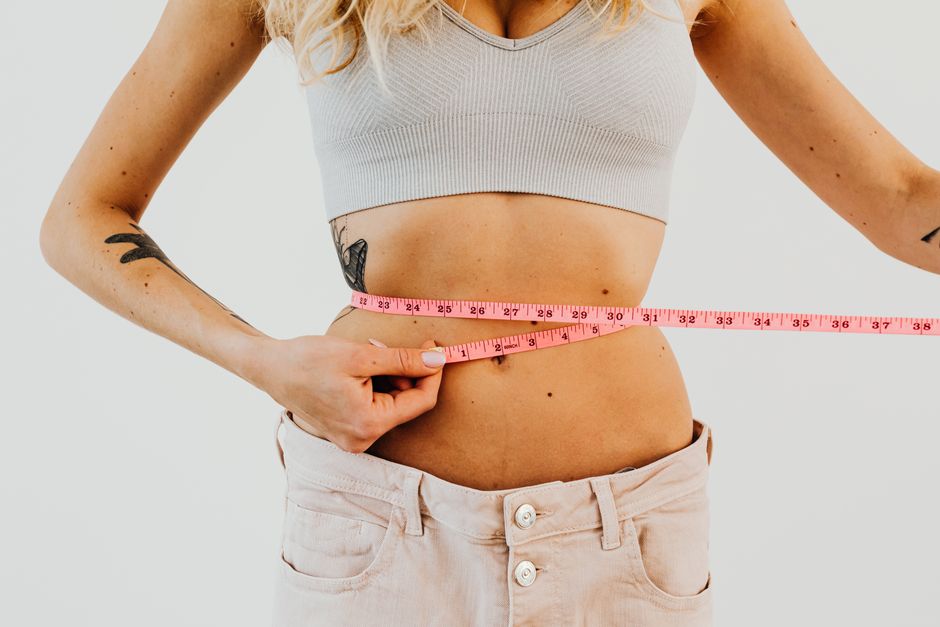
A smaller waist is a common fitness goal, but most advice on the internet misses the point. Spot reduction—losing fat only from your midsection—is a myth. Your body loses fat from everywhere at once, and genetics decide the order. What you can control is your overall body fat percentage, the strength of your core muscles, and your posture. The path to a smaller waist is a combination of reducing total body fat and building the muscles that shape your midsection.
What Actually Determines Waist Size?
Three main factors control the size of your waist. The first is subcutaneous fat, the soft fat you can pinch just under the skin. The second is visceral fat, the deeper fat stored around your organs. Visceral fat is more metabolically active and is strongly linked to health risks like heart disease and type 2 diabetes.
The third factor is muscle. Your waist is wrapped in several layers of muscle, including the transverse abdominis, obliques, and rectus abdominis. The size of these muscles affects your waist measurement. Very large obliques, for example, can push the waist outward. This is why some powerlifters and strongman athletes have thick waists despite having very low body fat.
Bone structure also plays a role. Hip width and rib cage size are fixed by genetics. Two people at the same body fat percentage can have different waist measurements simply because of their skeleton. That is not something any exercise can change.
Why Spot Reduction Does Not Work
You cannot choose where your body burns fat. When you are in a calorie deficit, your body mobilizes fat from fat cells throughout your body. The rate at which different fat stores shrink is largely determined by genetics and hormones, not by which muscles you exercise.
Research consistently shows that training a specific muscle group does not reduce fat in that area. Studies examining abdominal exercise programs have found that while participants strengthened their core, they did not lose a significant amount of belly fat compared to control groups. The fat loss that did occur was attributed to the overall calorie deficit, not the specific exercises.
This means endless crunches and side bends will not shrink your waist. They will strengthen the underlying muscle, but the fat layer on top remains until you reduce your total body fat.
Diet Is the Primary Tool for Fat Loss
Fat loss requires a sustained calorie deficit. You need to consume fewer calories than your body burns. There is no way around this basic principle of energy balance.
Protein deserves special attention. High-protein diets help preserve lean muscle mass during weight loss. They also increase satiety, meaning you feel fuller for longer after meals. This makes it easier to maintain a calorie deficit without constant hunger.
Fiber is equally important. Foods rich in fiber, like vegetables, fruits, and whole grains, add bulk to your meals without many calories. They slow digestion and help stabilize blood sugar, which reduces cravings.
Processed foods and sugary drinks are the easiest places to cut calories. Liquid calories from soda, juice, and sweetened coffee drinks are particularly problematic because they do not trigger the same fullness signals as solid food. Replacing these with water or unsweetened beverages is one of the simplest dietary changes you can make.





Core Exercises That Build a Smaller Waist
While you cannot spot-reduce fat, you can train the muscles that influence waist appearance. The goal is to strengthen the deep core muscles that pull the waist inward, not to bulk the obliques outward.
The transverse abdominis is the deepest abdominal muscle. It acts like a corset, wrapping horizontally around your torso. Strengthening it can improve the way your waist looks by improving tension and support. Exercises like planks, dead bugs, and bird dogs target this muscle effectively.
Heavy compound lifts deserve a place in your routine. Squats, deadlifts, and overhead presses require your core to brace against heavy loads. This builds functional core strength without the repetitive spinal flexion of crunches. Some research suggests that heavy resistance training increases resting metabolic rate more than cardio alone, which supports fat loss.
Exercises that involve spinal rotation, like Russian twists and cable woodchoppers, strengthen the obliques. Moderate training here is fine. Excessive oblique work with heavy weights can increase muscle size and make the waist appear thicker. If your goal is a smaller waist, treat oblique isolation work as accessory, not the main event.
The Role of Cardio and Daily Movement
Cardiovascular exercise increases your daily calorie expenditure, which helps create the deficit needed for fat loss. The best choice is the one you will do consistently.
Moderate-intensity steady-state cardio, like brisk walking or cycling, is sustainable and effective. High-intensity interval training (HIIT) burns more calories per minute and can improve insulin sensitivity. Both approaches work. The evidence does not strongly favor one over the other for waist reduction specifically.
Non-exercise activity thermogenesis (NEAT) is often overlooked. This is the energy you burn from daily activities like walking to your car, cleaning the house, or taking the stairs. For most people, NEAT accounts for more daily calorie burn than formal exercise. Increasing your daily step count is a practical way to raise NEAT without adding structured workout time.
Posture Can Change Your Waist Measurement
Posture affects how your waist looks and measures. Anterior pelvic tilt is a common postural pattern where the front of the pelvis drops and the lower back arches excessively. This pushes the belly forward and makes the waist appear larger.
Correcting this involves strengthening the glutes and abdominals while stretching the hip flexors. Simple exercises like glute bridges and planks can help. When your pelvis sits in a neutral position, your abdominal wall is naturally more engaged and your waistline appears smaller.
This is not a cosmetic trick. Poor posture contributes to lower back pain and inefficient movement patterns. Addressing it improves both appearance and function.
What About Waist Trainers and Corsets?
Waist trainers and corsets are popular on social media, but the evidence for their effectiveness is essentially absent. They do not cause permanent changes to your waist size.
Wearing a waist trainer compresses your torso temporarily. When you remove it, your waist returns to its natural size. There is no mechanism by which external compression reduces fat or changes bone structure. Some people report reduced appetite while wearing them, but this is a restrictive effect, not a metabolic one.
Prolonged use of tight waist trainers can cause discomfort, skin irritation, and in extreme cases, affect breathing or digestion. No clinical guidelines recommend waist trainers for waist reduction. If you see claims that they “train” your waist to be smaller permanently, that is marketing, not medicine.
Realistic Timelines and Expectations
How fast you see results depends on your starting point and your consistency. A safe and sustainable rate of fat loss is generally 0.5 to 1 percent of your body weight per week. Losing faster than that often results in muscle loss and rebound weight gain.
Your body fat percentage determines how visible your waist is. For women, waist measurements below 35 inches are associated with lower health risk. For men, the threshold is below 40 inches. These are health guidelines, not aesthetic targets.
Genetics will influence where you lose fat first. Some people lose waist fat early in their fat loss journey. Others lose it last. You cannot control this. What you can control is staying in a moderate calorie deficit, preserving muscle through protein and resistance training, and being patient.
Frequently Asked Questions
Can I get a tiny waist without losing weight?
Only if your waist is currently large due to poor posture or weak core muscles. If excess fat is the issue, you must reduce overall body fat through a calorie deficit to see a change.
How long does it take to see a smaller waist?
Most people see measurable changes within 8 to 12 weeks of consistent diet and exercise. Visible changes depend on your starting body fat percentage and how quickly you lose fat.
Do waist trainers permanently shrink your waist?
No. Waist trainers only compress tissue temporarily and do not change fat, muscle, or bone structure. Any reduction in measurement disappears when you stop wearing them.
Are side crunches good for a smaller waist?
Side crunches strengthen the obliques but do not reduce fat in that area. Heavy oblique training can actually increase muscle size and make the waist appear thicker.
