
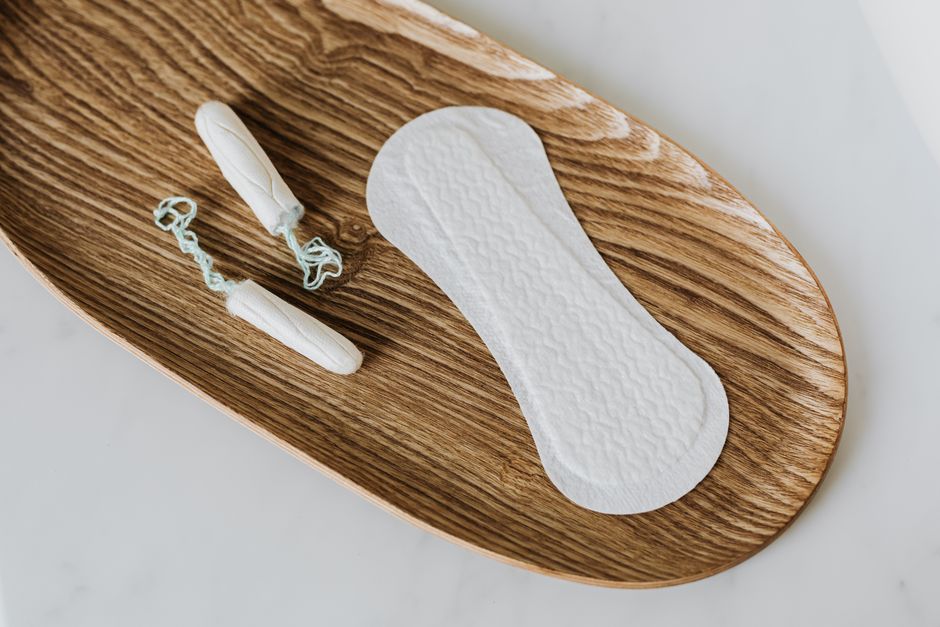
A stuck tampon is common and almost never an emergency. The most important thing is to stay calm. Getting it out is usually simple: wash your hands, get into a comfortable position like squatting, and gently reach inside with two fingers to find the string or the tampon itself. If you cannot grasp it, bearing down like you are having a bowel movement can bring it closer to the opening.
Why Does a Tampon Get Stuck?
A tampon does not actually get lost inside your body. The cervix sits at the top of the vaginal canal, and a tampon cannot pass beyond it. The only way a tampon stays inside is if the string is tucked up high, or if the tampon has shifted deeper into the canal where your fingers cannot easily reach it.
Muscle tension is the most common reason a tampon becomes difficult to remove. If you are anxious, stressed, or in pain, the pelvic floor muscles tighten. That clenching makes the canal narrower and presses the tampon higher. The tampon is not stuck to anything. It is just held in place by tense muscles.
Another common cause is forgetting a tampon is there and inserting a second one. The first tampon gets pushed deep by the second. This is more common than most people realize.
How To Get A Stuck Tampon Out: Step-by-Step
Start by washing your hands thoroughly with soap and water. Trim your nails if they are long to avoid scratching the vaginal walls. Find a position that relaxes your pelvic floor. Squatting is best because it shortens the vaginal canal and relaxes the muscles.
Insert two fingers into the vagina. Slide them along the back wall of the canal rather than straight up. You are feeling for the string or the cotton body of the tampon. If you find the string, pinch it between your fingers and pull gently and steadily. Do not yank.
If you cannot find the string, feel for the tampon itself. It will feel like a soft cotton cylinder. Pinch it between your index and middle finger. Pull it out slowly. If it resists, do not force it. Stop and try a different approach.
Bearing down can help. Push your pelvic floor muscles outward as if you are trying to pass gas or have a bowel movement. This shortens the canal and moves the tampon closer to your fingers. Combine this with reaching in and you will often find the tampon is now within reach.
What If You Still Cannot Reach It?
Try a squatting position on the floor rather than sitting on a toilet. The toilet seat narrows your pelvis and can make access harder. Squatting on the floor with your knees wide apart opens the pelvic outlet and shortens the distance to the tampon.
Another position is lying on your back with your knees bent and feet flat on the bed. This relaxes the pelvic floor and changes the angle of the canal. Some people find it easier to reach the tampon from this position.
If you have a partner or someone you trust, they can help. But this is not a requirement. Most people can remove a stuck tampon on their own with patience and the right position.
Do not use tools. Do not use tweezers, pliers, or any household object to retrieve a tampon. These can tear the vaginal wall, cause bleeding, or push the tampon higher. Your fingers are the only safe tool.
When To See a Doctor or Go to Urgent Care
If you have tried for 15 to 20 minutes and cannot remove the tampon, seek medical help. A doctor or nurse can remove it in minutes with a speculum and a pair of forceps. This is a routine procedure and not painful beyond mild discomfort.
You should also seek care immediately if you have a fever, foul-smelling vaginal discharge, or pelvic pain that is more than mild cramping. These can be signs of toxic shock syndrome, a rare but serious bacterial infection linked to tampon use.
Toxic shock syndrome is rare. It is not something to panic about. But if you have a stuck tampon and develop a sudden high fever, vomiting, diarrhea, or a sunburn-like rash, go to an emergency room right away. These symptoms require urgent medical attention.
If you have had a tampon inside for more than 24 hours, you should also see a doctor. Even without symptoms, a doctor should remove it and check that everything is healthy. Leaving a tampon in too long increases the risk of infection.
What Happens If a Tampon Is Left In Too Long?
The body does not absorb a tampon. It stays in the vaginal canal until it is removed. Over time, the cotton can develop an odor as blood and bacteria accumulate. This is unpleasant but usually not dangerous on its own.
The main risk is infection. A tampon left in for extended periods creates a warm, moist environment where bacteria can multiply. This can lead to vaginitis or pelvic inflammatory disease in rare cases. Toxic shock syndrome is the most serious but rarest complication.
Once the tampon is removed, most symptoms resolve quickly. If you had a tampon in for several days, you may notice a strong odor or unusual discharge for a day or two. This is normal as the vagina clears out. If the odor persists or you develop pain or fever, see a doctor.
How To Prevent a Tampon From Getting Stuck
Change tampons every 4 to 8 hours. This is not just about hygiene. A fresh tampon is easier to remove because the cotton has not absorbed as much fluid and expanded.
Use the lowest absorbency tampon that handles your flow. A super-absorbent tampon on a light day expands more than necessary and can be harder to remove. Matching absorbency to your flow reduces the chance of difficulty.
Relax your pelvic floor when inserting. If you insert a tampon while clenching, it may sit higher than needed. Take a breath and relax your muscles before and during insertion.
Do not wear a tampon overnight if you sleep longer than 8 hours. Use a pad instead. This removes the risk entirely and is a common recommendation from gynecologists.
Myths About Stuck Tampons
A common myth is that a tampon can travel to your uterus or into your abdomen. This is anatomically impossible. The cervix has a tiny opening that does not allow a tampon to pass through. The tampon is always in the vaginal canal.
Another myth is that you need to wait for it to “come out on its own.” A tampon will not come out on its own without you pushing or pulling. It is not like a menstrual clot. It will stay in place until physically removed.
Some people worry that a stuck tampon means something is wrong with their anatomy. This is rarely the case. A stuck tampon is almost always a positioning or muscle tension issue. It does not indicate a structural problem.
Frequently Asked Questions
Can a tampon get lost inside my body?
No. The cervix blocks the opening to the uterus, so a tampon cannot travel beyond the vaginal canal. It is always reachable with fingers or medical instruments.
How long can I try to remove a stuck tampon at home?
Try for about 15 to 20 minutes. If you cannot remove it in that time, seek medical help rather than continuing to struggle.
Will a stuck tampon cause toxic shock syndrome?
Toxic shock syndrome is rare but possible, especially if the tampon stays in for more than 24 hours. Seek emergency care if you develop a sudden high fever, vomiting, or a sunburn-like rash.
Is it safe to use a tampon again after this happens?
Yes, in most cases. Once the tampon is removed and any infection is ruled out, you can continue using tampons. Consider lower absorbency or more frequent changes to prevent it from happening again.
The bottom line is that a stuck tampon is frustrating but rarely dangerous. Stay calm, change your position, and reach in with clean fingers. If that does not work, a doctor can help in minutes. Do not wait if you develop fever, pain, or an unusual odor.
