
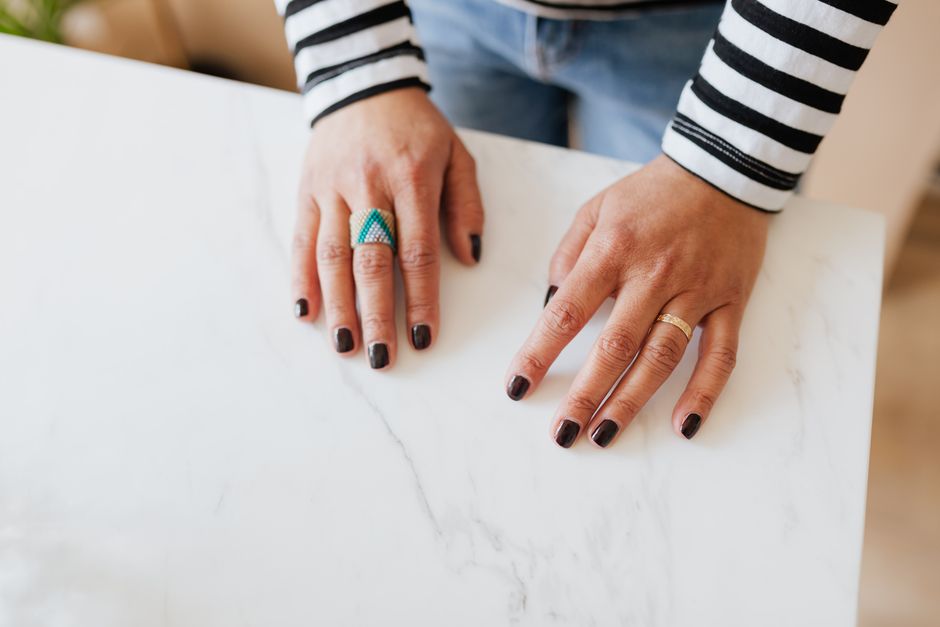
A ring stuck on a swollen finger is painful and can become dangerous quickly. The longer it stays on, the more the finger swells, making removal harder. The best approach is to act fast, reduce the swelling first, and then use lubrication and gentle pressure to slide the ring off before circulation becomes a problem.
Why Does A Ring Get Stuck On A Swollen Finger?
Swelling is the direct cause. When the finger swells, the soft tissues expand. The ring, being rigid metal or another hard material, does not expand with it. The space between the skin and the ring disappears, and the ring becomes a tight band.
This tight band creates a problem. It compresses the veins that carry blood back toward the heart. Blood flows in but cannot flow out easily. Fluid builds up in the fingertip, which makes the swelling worse. This is a feedback loop that can turn a minor annoyance into a medical issue.
Swelling itself can come from many sources. Heat, salty foods, hormonal changes, or a recent injury are common causes. Even a small bump or a bug bite on the finger can cause enough swelling to trap a ring. Arthritis flare-ups are another frequent trigger for adults over 40.
How To Get A Stuck Ring Off A Swollen Finger
Start with the most basic step: elevate your hand. Raise your hand above your heart for five to ten minutes. Gravity helps drain fluid away from the fingertip. This alone can reduce swelling enough to make a difference.
Next, apply cold. Ice constricts blood vessels and reduces swelling. Wrap an ice pack or a bag of frozen vegetables in a thin cloth and hold it against the finger for 10 to 15 minutes. Do not apply ice directly to the skin — that can cause frostbite. If the ring is metal, the cold also slightly shrinks the metal, which can help create a tiny bit more space.
Once the finger is cold and elevated, apply a lubricant. Common household options work well:
- Soap and water (lather it well)
- Hand lotion or moisturizer
- Petroleum jelly
- Cooking oil or olive oil
- Hair conditioner
- Windex or glass cleaner (a common trick in emergency rooms)
Apply the lubricant generously around the ring and on the skin beneath it. Work it in by gently rotating the ring. Do not yank. Do not twist hard. The goal is to let the lubricant seep under the ring first.
Now use the compression method. Take a thin piece of string, dental floss, or a rubber band. Slide one end of the string under the ring toward the fingertip. Leave a small tail sticking out on the hand side of the ring. Then wrap the string tightly around the finger, starting at the ring and moving toward the fingertip. The wrapping compresses the swelling and gives the ring a smooth track to travel over. Unwind the string as you gently pull the ring over the wrapped area.
This string method works because it redistributes the fluid. It pushes the swelling back toward the hand, away from the fingertip, and creates a smoother path for the ring to follow.
When To Stop Trying And Seek Medical Help
Time matters. If the ring does not come off after 15 to 20 minutes of trying these methods, stop. Continued pulling can cause more damage.
Seek emergency medical care immediately if you notice any of these signs:
- The finger turns blue, purple, or very pale
- The fingertip feels numb or cold
- You cannot feel sensation in the fingertip
- The pain becomes severe
- You see no improvement in swelling after elevation and ice
These are signs of compromised circulation. The ring is cutting off blood flow. This is a true emergency. Do not wait to see if it gets better on its own.
Emergency rooms and urgent care centers have specialized tools to remove rings. Ring cutters are designed to slide under the ring and cut it safely without injuring the finger. Many rings can be repaired after being cut. Some emergency departments also use a tool called a ring saw, which cuts the ring while a protective guard shields the skin.
If you have diabetes, peripheral artery disease, or any condition that affects circulation in your hands, do not wait long before seeking help. Reduced blood flow means tissue damage can occur faster. The same applies if you have reduced sensation in your fingers — you may not feel the warning signs of tissue damage.





What Not To Do
Do not pull hard. Forceful pulling can tear the skin, damage tendons, or cause the ring to dig deeper into the tissue. If the ring has already cut into the skin, stop all attempts immediately.
Do not use heat on the finger. Heat increases blood flow and worsens swelling. Cold is the correct choice.
Do not keep trying for hours. Repeated attempts with lubrication and string are fine for a short period. But if the ring has not moved after several focused attempts, professional help is the right next step.
Do not ignore it overnight. A ring that is stuck but painless in the evening can be a serious problem by morning. Swelling often increases when you lie down because fluid redistributes. What was mildly uncomfortable at dinner can become a medical emergency by dawn.
How To Prevent A Ring From Getting Stuck
Remove rings before activities that commonly cause finger swelling. This includes strenuous exercise, hot weather exposure, and heavy salt intake. If you are flying, consider removing rings for the flight. Cabin pressure and changes in activity can cause mild swelling.
Know your body’s patterns. Many people notice their fingers swell at certain times of the month, after certain meals, or in specific weather conditions. If you know your fingers swell predictably, take rings off before those times.
Consider having rings sized properly. A ring that fits snugly in the morning may be too tight by evening. Finger size naturally fluctuates throughout the day and with temperature. A professional jeweler can size a ring to accommodate normal daily variation.
If you have arthritis or another condition that causes frequent finger swelling, talk to your jeweler about sizing options. Some people choose to wear rings on a chain around the neck during flare-ups rather than risk getting them stuck.
Does The Ring Material Matter?
Yes, material matters for removal strategy. Metal rings conduct cold well, so ice is more effective at shrinking them slightly. This is not a large effect, but every fraction of a millimeter helps.
Tungsten carbide rings are a special case. These rings are extremely hard and cannot be cut with standard ring cutters. However, they are also brittle. Emergency departments can crack tungsten rings with a specialized vise or clamp. This is a quick and safe method. Do not try to crack a tungsten ring at home with pliers or a hammer — you risk crushing your finger.
Titanium rings are also difficult to cut with standard tools. They require a high-speed dental drill or a specialized cutting wheel. This is another reason to go to an emergency department rather than trying home methods with tools.
Soft metals like gold, silver, and copper are the easiest to cut. A standard ring cutter handles these quickly and cleanly.
Plastic, silicone, and resin rings are the easiest to remove. They can often be cut with heavy scissors or a box cutter. Silicone rings are deliberately designed to break or stretch under extreme force, which is why many people who work with their hands choose them.
Frequently Asked Questions
How long can you leave a stuck ring on a swollen finger?
Do not leave it on longer than 15 to 20 minutes of active removal attempts. If the finger changes color or goes numb, seek emergency care immediately.
Will soap and water remove a stuck ring?
Soap and water can work if the swelling is mild. Lather generously and gently rotate the ring while pulling toward the fingertip.
Can you cut a tungsten ring off at home?
No. Tungsten requires a specialized vise to crack it safely. Attempting this at home with pliers or a hammer can crush your finger.
Does ice help remove a stuck ring?
Yes. Ice reduces swelling and slightly shrinks metal rings. Hold an ice pack wrapped in cloth against the finger for 10 to 15 minutes before attempting removal.
