
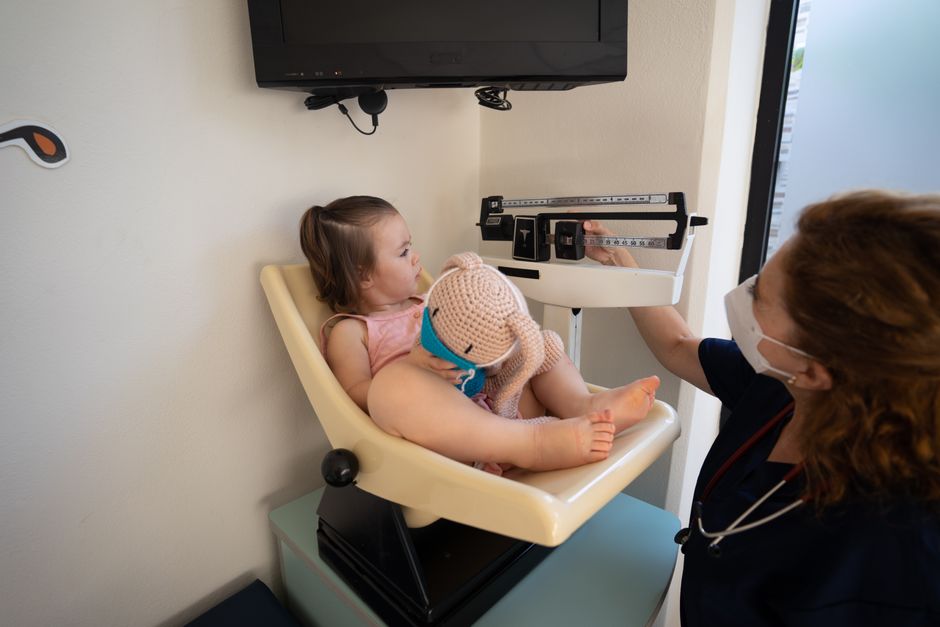
Choosing a pediatrician for a new baby is one of those tasks that feels urgent the moment you find out you are pregnant — and then quietly gets pushed to the bottom of the list until the third trimester. Here is the honest answer: you do not need to have a pediatrician confirmed before your baby is born, but it helps to start looking in your second or third trimester. Most hospitals and birth centers will assign a pediatric provider to examine your newborn before discharge regardless of whether you have chosen one. The choice you make matters more for the months and years after that first visit.
How To Get A Pediatrician For Your New Baby
The process is less complicated than it sounds. You are essentially looking for a doctor or clinic that accepts your insurance, has openings for new patients, and can see your baby within the first few days after birth.
Start by checking who is in network through your insurance company’s provider directory. Then call the office directly. Ask three things: Are you accepting new patients? Do you accept my specific plan? How soon after birth can you see my baby?
That last question matters because newborns typically need a weight check and general exam within a few days of leaving the hospital. If a practice cannot fit a newborn in that window, it may not be the right fit.
You can also ask your obstetrician, midwife, or the hospital where you plan to deliver for a list of pediatricians who round at that facility. Many hospitals have pediatricians on staff who will examine your baby in the hospital and can continue as the baby’s primary provider afterward, if you choose.
One practical note: some practices offer a free “meet and greet” visit before the baby arrives. This is a chance to ask questions about after-hours coverage, vaccination philosophy, and how the office handles sick visits. It is optional. Many parents skip it and simply call around instead.
When Should You Start Looking for a Pediatrician?
Most guidance suggests starting in the second trimester, around 28 weeks, though there is no hard deadline. Starting early gives you time to call several offices, confirm insurance coverage, and avoid scrambling in the final weeks.
If you are in your third trimester or already at the hospital in labor, you have not missed your window. Hospitals routinely assign a pediatric provider to newborns when no outside pediatrician is on file. That provider will see your baby before discharge and can give you a referral or recommendation for follow-up care.
What you want to avoid is leaving the hospital with a discharge instruction to “see a pediatrician within 48 hours” and no appointment booked. That creates unnecessary stress in the first days home, when you are already exhausted.
What Should You Ask a Pediatrician Before Choosing One?
There is no official checklist, but certain questions tend to matter more than others once you actually need the practice.
- Insurance and cost: Is this practice in network? What is the copay for a well visit versus a sick visit?
- After-hours access: Who answers when your baby has a fever at 10 p.m.? Is there a nurse line, an on-call pediatrician, or an urgent care arrangement?
- Hospital affiliation: Which hospital does this pediatrician admit to, and does it match where you plan to deliver?
- Visit scheduling: How far out are appointments typically booked? Can sick newborns be seen same-day?
- Care philosophy: How does the practice handle questions about feeding, sleep, and development?
The after-hours question is often the one parents wish they had asked sooner. A practice with no after-hours plan means every late-night worry becomes an emergency room decision.
You do not need to agree with every opinion a pediatrician holds. What matters more is whether you feel comfortable asking questions and whether the answers are clear.




Can You Use a Family Doctor Instead of a Pediatrician?
Yes. Family medicine physicians are trained to care for patients of all ages, including newborns, and many provide the same well-child visits, vaccinations, and developmental screenings that pediatricians do.
The main difference is training depth. Pediatricians complete additional years of residency focused entirely on infants, children, and adolescents. Family doctors split their training across the full lifespan. For a healthy baby with no complications, either option can work well.
For babies born prematurely, with congenital conditions, or with complex medical needs, a pediatrician — or a pediatric subspecialist — is generally the more appropriate choice. That is a clinical judgment, not a rule, and your hospital care team can help you decide.
One practical consideration: family medicine practices sometimes have more limited availability for same-day newborn sick visits. Ask about this directly if you are considering a family doctor.
What Happens If You Do Not Have a Pediatrician Before Birth?
This is more common than many parents realize, and it is not a problem in most cases. Hospitals are required to provide a medical examination of every newborn before discharge, and they have pediatric providers available to do this.
The hospital pediatrician will examine your baby, check weight, breathing, heart rate, and reflexes, and order any standard newborn screening tests. If everything looks normal, you will be discharged with instructions to follow up with a pediatric provider within a specified window — often within 48 to 72 hours of leaving the hospital.
That follow-up window is not arbitrary. Newborns can lose weight in the first days, and jaundice — a yellowing of the skin caused by elevated bilirubin — often peaks a few days after birth, after you have already gone home. A prompt follow-up visit catches these issues early.
If you leave the hospital without a pediatrician lined up, call your insurance company or ask the hospital discharge nurse for a list of in-network providers who can see a newborn on short notice. Most areas have options.
Does Insurance Cover Newborn Pediatric Visits?
Under the Affordable Care Act, most health insurance plans are required to cover preventive care for children — including well-child visits and recommended vaccines — without a copay or deductible, as long as you see an in-network provider.
What is not always covered the same way are sick visits, specialist referrals, or care from an out-of-network pediatrician. Those may carry a copay, coinsurance, or full out-of-pocket cost depending on your plan.
If your baby qualifies for Medicaid or the Children’s Health Insurance Program (CHIP), pediatric care is covered under those programs, though the specific providers available will depend on your state and plan.
Before your baby arrives, call your insurance company and ask two questions: Which pediatric practices in my area are in network, and what is covered for newborn care? Getting this in writing — or at least noting the representative’s name and the date — can save confusion later.
What If You Move or Need to Switch Pediatricians?
Switching pediatricians is straightforward. You call the new office, confirm they are accepting new patients and take your insurance, and request that your child’s medical records be transferred.
Most practices will ask you to sign a records release form. The old office then sends records directly to the new one. This usually takes a few days to a couple of weeks.
The one thing to plan around is timing. If your child is due for a well visit, vaccination, or follow-up on a specific issue, try to have the new pediatrician confirmed before that appointment date. Gaps in care are easier to avoid than to fix.
Moving to a new state can complicate things if your insurance plan has a limited network. Call the new plan as soon as you know your address and ask for in-network pediatric options near you.
What to Bring to the First Pediatric Visit
The first visit after leaving the hospital is mostly about checking weight, feeding, and jaundice. Having a few things ready makes it smoother.
- Your baby’s hospital discharge paperwork, including any newborn screening results
- Your insurance card and photo ID
- A list of any medications or supplements your baby is receiving
- Feeding notes — how often, how much, and whether breastfeeding or formula
- Diaper counts for the past 24 hours, which help assess hydration
You do not need to have everything perfectly organized. Pediatricians expect new parents to be tired and a little overwhelmed. The information that matters most is how feeding is going and whether your baby is having regular wet diapers.
Frequently Asked Questions
Do I need to choose a pediatrician before my baby is born?
No, it is not required. Hospitals will assign a pediatric provider to examine your newborn before discharge, but choosing one in advance makes the follow-up appointment easier to schedule.
How soon after birth does a newborn need to see a pediatrician?
Most newborns are seen within 48 to 72 hours of leaving the hospital, though the exact timing depends on your baby’s health and the discharging provider’s instructions.
Can I use my family doctor for my newborn instead of a pediatrician?
Yes, family medicine physicians are trained to care for newborns and can provide well-child visits and vaccinations. For premature babies or those with complex medical needs, a pediatrician is generally recommended.
What if I do not have insurance for my baby’s pediatric visits?
Medicaid and CHIP cover pediatric care for eligible children, and many community health centers offer sliding-scale fees. Applying for coverage before birth, when possible, avoids gaps in care.
