
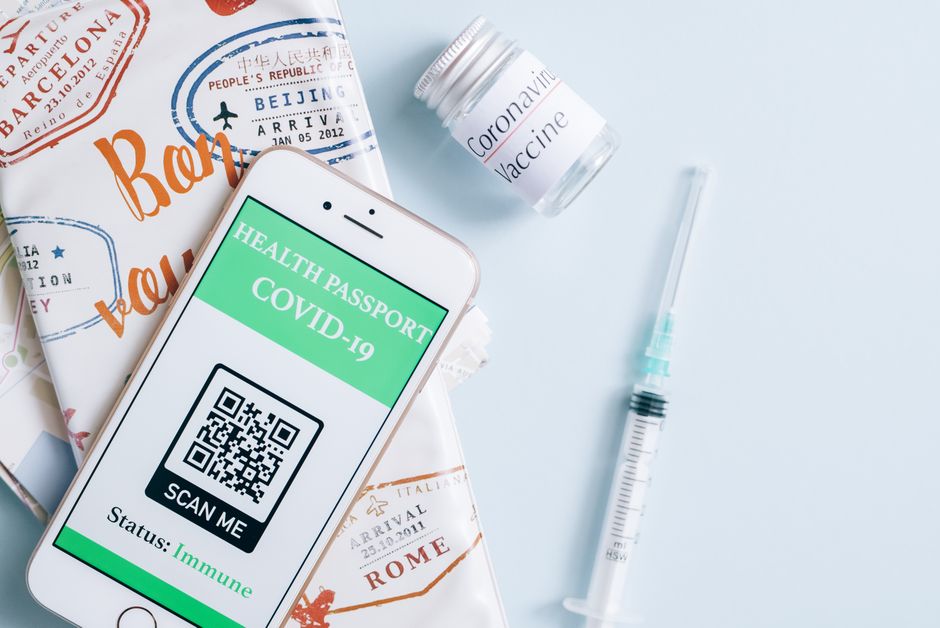
There is no single document called a “medical pass” for crossing a border. What people usually mean is a medical clearance letter, a medical exemption certificate, or proof of a health test or vaccination that a destination country requires for entry. What you need depends entirely on where you are going, where you are coming from, and why you need clearance. The steps below explain how each of these works and how to get one without wasted trips or rejected paperwork.
How To Get A Medical Pass To Cross The Border?
You start by finding out what your destination country actually requires, then you get that specific document from a licensed clinician or an approved testing provider. The order matters. Getting a letter before you know the requirement is one of the most common reasons travelers are turned back or delayed at a border.
The term “medical pass” gets used loosely online, which causes real confusion. In most cases it refers to one of three things:
- A medical clearance letter from a doctor stating you are fit to travel or fit to enter
- A medical exemption certificate for a vaccination requirement you cannot meet for health reasons
- Proof of a health test or vaccination issued by an approved provider or public health authority
These are not interchangeable. A doctor’s note saying you are healthy will not replace a required yellow fever certificate, and a vaccination record will not satisfy an airline that wants a fit-to-fly letter. Match the document to the requirement.
Where to find the actual requirement
Official government sources are the only reliable starting point. For US citizens traveling abroad, the State Department country information pages list entry requirements, and the destination country’s embassy or consulate publishes its own health rules. For travel into the United States, the CDC and US Customs and Border Protection publish current requirements.
Requirements change, sometimes with little notice, especially during disease outbreaks. Check again close to your departure date rather than relying on what you read months earlier. A printout of the official requirement is worth carrying, because border staff work from their own rules and a dated copy can resolve a disagreement quickly.
What Is a Medical Clearance Letter and Who Issues It?
A medical clearance letter is a short document from a licensed clinician stating that you are medically fit to travel or to enter a country. It is usually written by your primary care doctor or the clinician managing the condition in question.
There is no universal standard format, and this is where people get caught out. Some airlines and border authorities accept a simple signed letter on clinic letterhead. Others want specific wording, a recent date, or a stamp. Ask the airline or embassy what format they accept before your appointment, then bring that instruction to your doctor.
A useful clearance letter typically covers:
- Your full name, date of birth, and passport number
- The clinician’s name, license details, and contact information
- A statement of fitness for the specific journey or entry
- Any medical equipment, medication, or assistance you need to carry or use
- The date of issue and signature
Be honest with your doctor about the trip. Long-haul flights, high altitude, extreme heat, and destinations with limited medical facilities all change what “fit to travel” means for someone with a heart or lung condition. A clinician who knows the itinerary can write a letter that reflects the real risks.
When Do You Need a Medical Exemption Certificate?
A medical exemption certificate is used when a country requires a vaccination but a genuine medical reason prevents you from receiving it. It is not a way to avoid a vaccine you simply prefer not to have, and border staff are trained to tell the difference.
Valid medical grounds are narrow and specific. They typically include a severe allergic reaction to a previous dose or a component of the vaccine, or a condition that makes the vaccine genuinely unsafe for you. Pregnancy and certain immune conditions may qualify for some vaccines but not others. The judgment belongs to a clinician, not to the traveler.
The certificate itself usually has to come from an official source, not just your doctor’s notepad. For yellow fever, for example, exemptions are issued through designated yellow fever vaccination centers, and the certificate follows a specific international format. For other requirements, the destination country’s health authority sets the rules on who can issue an exemption and what it must contain.
This is the part people underestimate. An exemption certificate issued by the wrong person, or in the wrong format, is treated as no certificate at all. Confirm the issuing authority with the embassy before you book the appointment.
What Health Documents Are Commonly Required for Border Entry?
The specific documents vary by country and by current disease situation, so treat the following as categories rather than a checklist. Your destination’s official guidance tells you which apply to you.
Yellow fever vaccination certificate. Required for entry to some countries in Africa and South America, and for travelers arriving from a country with yellow fever transmission risk. This is one of the few health documents with a strict international format and a defined validity period.
Proof of other vaccinations. Some countries require proof of vaccination against specific diseases for certain travelers, such as pilgrims to mass gatherings. Requirements are set by the destination country’s health ministry.
Negative test results or health declarations. These appeared widely during the COVID-19 pandemic. Many have been lifted, but some countries retain them for specific situations or can reintroduce them during outbreaks. Check current rules rather than assuming.
Fit-to-fly letters. These are usually an airline requirement rather than a border requirement, often requested after recent surgery, during late pregnancy, or for certain medical conditions. The airline sets the standard, so ask them directly.
Prescription documentation for controlled medicines. Carrying certain medications across a border can require a letter or permit. Rules differ sharply between countries, and some common medications are controlled in places you would not expect. Check the destination’s rules for each medicine you carry, and keep it in its original packaging with the prescription.
How Do You Get the Paperwork in Time?
Start earlier than feels necessary, because the bottleneck is rarely the doctor. It is the approved testing center, the official certificate issuer, or the appointment backlog.
A practical sequence:
- Confirm the exact requirement from the destination’s official source
- Identify who is allowed to issue that specific document
- Book the appointment, allowing time for results and certificate processing
- Check the document for correct name spelling, passport number, dates, and stamps
- Carry both a paper copy and a digital copy
Name mismatches are a frequent and avoidable problem. If your passport says one spelling and your certificate says another, you can be stopped even though everything else is in order. Check before you leave the clinic.
Some vaccines need time to become effective, and some certificates are only valid after a certain period. Yellow fever vaccination, for instance, is generally considered valid from ten days after administration under international rules. That timing has real consequences for your departure date, so build it into your planning.
What Happens If Your Paperwork Is Rejected at the Border?
If a required health document is missing or invalid, the outcome ranges from a delay while it is sorted out to being denied entry. The decision rests with border officials, and a clinician’s opinion does not override a country’s entry rules.
The realistic protections are simple. Carry the official requirement alongside your documents so the basis for your paperwork is visible. Keep contact details for the issuing clinic. Have digital copies stored where you can reach them without a local data connection.
One point worth understanding: a medical clearance letter is not a legal right of entry. It supports your case and can prevent misunderstandings, but it cannot override a requirement you have not met. The country sets the terms; the letter helps you meet them.
Frequently Asked Questions
Is there an official document called a medical pass?
No. There is no standardized document by that name. What exists are medical clearance letters, medical exemption certificates, and official proof of tests or vaccinations, and which one you need depends on your destination.
Can my own doctor write a medical exemption from a required vaccine?
Usually not on their own. Exemption certificates typically must be issued by a designated authority or approved center in a specific format, so confirm the issuing rules with the destination country’s embassy first.
How long before travel should I sort out medical paperwork?
Weeks to months, not days. Some certificates are only valid after a waiting period following vaccination, and approved centers can have appointment backlogs, so start as soon as your trip is planned.
Does a doctor’s letter guarantee I will be allowed to enter a country?
No. Entry decisions belong to border officials and follow the destination country’s rules. A clearance letter can prevent confusion and support your situation, but it does not override a requirement you have not met.
