
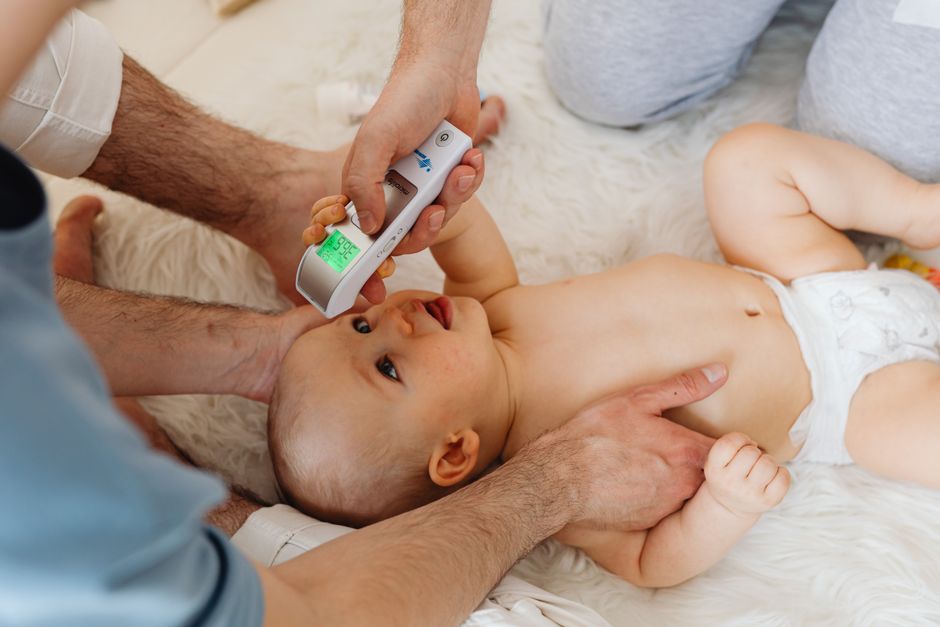
A fever is your body’s natural defense against infection, not an illness itself. For most adults, a fever of 103°F (39.4°C) or lower can be managed at home with rest, fluids, and over-the-counter medication. You should focus on comfort and hydration rather than chasing a “normal” temperature. Seek medical care if your fever reaches 104°F (40°C) or higher, lasts more than three days, or comes with severe symptoms like confusion, trouble breathing, or a stiff neck.
What Counts as a High Fever in Adults?
A normal body temperature is around 98.6°F (37°C), but it can vary by person and time of day. Most doctors consider a temperature of 100.4°F (38°C) or higher a fever. A fever is generally called “high” when it reaches 103°F (39.4°C) or above.
Fevers between 100.4°F and 102.9°F are common with viral infections like colds and flu. They usually do not require medication unless you feel miserable. The number on the thermometer matters less than how you feel. Two people can have the same temperature and feel completely different.
For otherwise healthy adults, a fever itself is rarely dangerous. The brain’s thermostat resets to fight the infection, and that elevated temperature helps your immune system work. The concern is not the number alone but what is causing the fever and how your body is handling it.
How To Get A High Fever Down Tips And When To Worry
The main goal of fever treatment is comfort, not reaching a perfect temperature. If you have a high fever and feel awful, these steps can help bring it down safely.
- Take over-the-counter medication. Acetaminophen (Tylenol) or ibuprofen (Advil, Motrin) can lower a fever within an hour or two. Follow the dosing instructions on the label and do not take both at the same time unless a doctor tells you to.
- Stay hydrated. A fever makes you lose fluid through sweating. Drink water, clear broth, or an electrolyte drink throughout the day. Urine that is light yellow means you are likely drinking enough.
- Dress lightly. Wear one layer of light clothing and use a thin blanket. Bundling up traps heat and can make a fever climb higher.
- Keep the room cool. A comfortable room temperature around 70°F (21°C) helps your body release heat. Avoid cold baths or ice packs — they cause shivering, which actually raises your core temperature.
- Rest. Your body is using energy to fight the infection. Physical activity raises your temperature and delays recovery.
A lukewarm sponge bath can help if you are very uncomfortable, but it is not necessary. Alcohol rubs are dangerous and should never be used to treat a fever. They can be absorbed through the skin and cause serious harm.
When Should You See a Doctor for a Fever?
Most fevers resolve on their own within a few days. But certain situations require medical attention. Call a doctor or seek care if you have a fever of 104°F (40°C) or higher that does not come down with medication.
Seek immediate medical care if a fever is accompanied by any of these warning signs:
- Severe headache that does not improve
- Stiff neck with difficulty touching your chin to your chest
- Confusion, drowsiness, or difficulty waking
- Trouble breathing or chest pain
- Seizures
- A rash that looks like small purple or red spots
- Painful urination, severe abdominal pain, or persistent vomiting
These symptoms can signal a serious infection like meningitis, sepsis, or pneumonia. Do not wait to see if they pass. Go to an emergency department.





How Long Is Too Long for a Fever?
A fever from a typical viral infection usually lasts two to three days. If your fever lasts more than three days in an adult, you should see a doctor. A persistent fever can indicate a bacterial infection that needs antibiotics, such as a urinary tract infection or strep throat.
Fevers that come and go for a week or longer deserve evaluation. So do fevers that improve and then return a few days later. This pattern can occur with conditions like influenza complications, sinus infections, or other underlying issues.
If you have a chronic health condition — heart disease, diabetes, lung disease, or a weakened immune system — do not wait three days. Contact your doctor early when a fever develops. These conditions can make infections more serious, and early treatment matters.
Fever in Adults vs. Children: The Rules Are Different
Children’s fevers are handled differently from adults’. For infants under three months old, a rectal temperature of 100.4°F (38°C) or higher is an emergency. Their immune systems are immature, and a fever can be the only sign of a serious bacterial infection.
For children between three months and three years, a fever of 102.2°F (39°C) or higher warrants a call to the pediatrician. Older children can generally be managed at home if they are drinking fluids, urinating normally, and interacting with you.
In children, how they act matters more than the number. A child with a 102°F fever who is playing and drinking is less concerning than a child with a 100.5°F fever who is lethargic, not drinking, or difficult to wake. Trust your instincts and call your pediatrician if something feels wrong.
What Not to Do When Treating a Fever
Several fever treatments are ineffective or harmful, despite being common. Cold water baths and ice packs cause shivering, which raises body temperature. They also make you miserable. Sponge baths with lukewarm water are acceptable, but cold water is not.
Aspirin should not be given to children or teenagers with a fever. It is linked to Reye’s syndrome, a rare but serious condition that causes swelling in the liver and brain. Adults can use aspirin for fever, but acetaminophen or ibuprofen are usually better choices because they are gentler on the stomach.
Do not alternate acetaminophen and ibuprofen unless a doctor specifically instructs you to. Alternating increases the risk of dosing errors and accidental overdose. Stick with one medication and track your doses carefully.
Antibiotics do not treat fevers caused by viruses. Taking them when you do not need them contributes to antibiotic resistance and can cause side effects like diarrhea or allergic reactions. Only a doctor can determine if a bacterial infection is present and antibiotics are needed.
Does a High Fever Mean a More Serious Illness?
Not necessarily. The height of a fever does not reliably predict how sick you are. A mild viral infection can cause a 103°F fever, while a serious bacterial infection can cause only a low-grade fever, especially in older adults.
Older adults sometimes do not mount high fevers even with serious infections. In people over 65, a temperature of 101°F (38.3°C) or higher should be taken seriously, particularly if they feel weak, confused, or are not eating or drinking.
What matters is the overall picture — how you feel, what other symptoms you have, and how long the fever has lasted. A high fever that responds to medication and resolves in a couple of days is far less concerning than a moderate fever that persists with severe symptoms.
Frequently Asked Questions
What temperature is considered a high fever in adults?
A temperature of 103°F (39.4°C) or higher is considered a high fever in adults. Temperatures at or above 104°F (40°C) require prompt medical attention.
How quickly does ibuprofen bring down a fever?
Ibuprofen typically starts lowering a fever within 30 to 60 minutes. The full effect is usually seen within two hours.
Is it safe to sleep with a fever?
Yes, rest and sleep are important for recovery from an infection. Dress lightly and keep your room cool so your body can regulate its temperature while you sleep.
Should I let a fever run its course without medication?
If you are comfortable and the fever is below 103°F, letting it run its course is fine. Take medication only if you feel miserable, have body aches, or need rest.
