
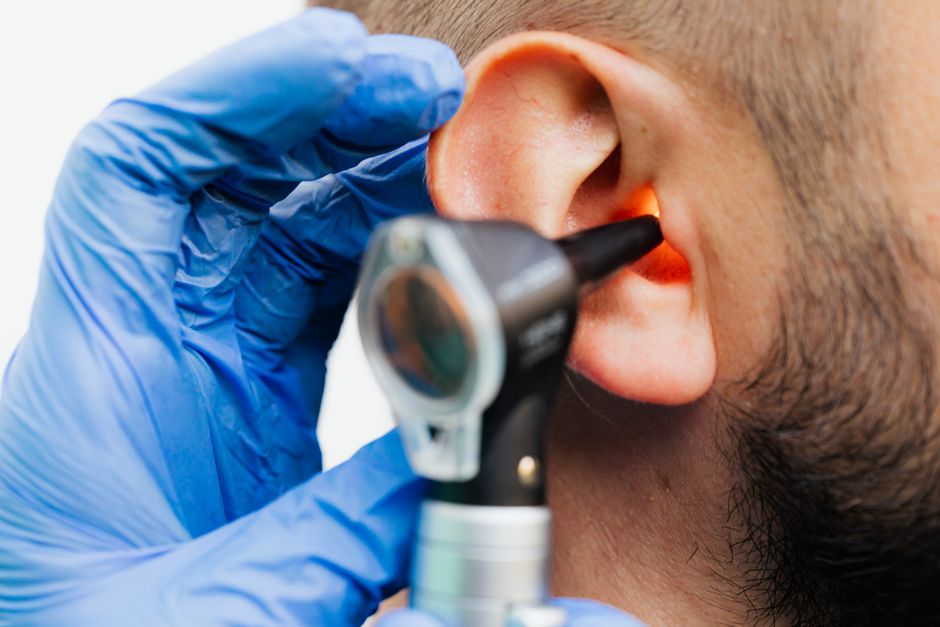
Getting a hearing test usually starts with a simple phone call or online booking, takes about 30 to 60 minutes in the chair, and can cost anywhere from nothing to a few hundred dollars depending on where you go and what gets checked. In the United States, many insurance plans cover a diagnostic hearing exam when a doctor refers you, while a routine screening or a hearing aid evaluation may not be covered at all. The fastest path is to call your primary care doctor for a referral, or contact an audiology clinic directly and ask two questions: what will this cost me, and do you bill my insurance.
What Actually Happens During a Hearing Test?
A hearing test is not one test. It is a short battery of tests that together map how well your ears and hearing nerve are working. The core exam is called pure-tone audiometry. You sit in a sound-treated booth wearing headphones and press a button or raise your hand each time you hear a beep. The tester finds the quietest tone you can detect at several pitches, from low to high.
Two other parts are common:
- Speech testing — you repeat words played at different volumes, which shows how well you understand speech, not just whether you detect sound.
- Tympanometry — a soft probe rests at the ear opening and measures how the eardrum moves. This helps separate problems in the outer or middle ear from problems in the inner ear.
Some clinics also run otoacoustic emissions, which measure a faint sound the inner ear produces in response to stimulation, or auditory brainstem response testing, which tracks how the hearing nerve carries signals to the brain. These are more common in newborns, in people who cannot cooperate with standard testing, or when a specific nerve problem is suspected.
The whole visit is painless. Nothing is inserted deeply into the ear canal except the soft tip of the probe used for tympanometry.
Where Can You Get a Hearing Test?
You have several real options, and they are not equivalent. Where you go affects cost, what gets tested, and what happens with the results.
Audiology clinics and ENT offices perform the full diagnostic battery. An audiologist holds a clinical doctorate or master’s degree in audiology and is licensed in most states. An ear, nose, and throat physician can also evaluate you and may order imaging if something unusual shows up.
Hearing aid retailers often offer free hearing tests. That test is usually a screening or a hearing aid evaluation, not a full diagnostic exam. It is designed to determine whether a hearing aid might help you. That is a legitimate purpose, but it is not the same as a medical evaluation, and the results may not be sent to your doctor unless you ask.
Big-box stores, pharmacies, and community health events sometimes offer free screenings. These are quick pass/fail checks. They can flag a problem, but they cannot diagnose one.
Your primary care office may do a basic screening, including a whispered voice test or a tuning fork test. If you fail that, you get referred onward.
One point worth knowing: a hearing test measures hearing, but it does not tell you why your hearing changed. Only a clinician who examines your ears and takes a history can work that out. That is why a screening is a starting point, not an answer.
How Do You Actually Get a Hearing Test? Step by Step
The process is simpler than most people expect.
Step 1: Decide why you want it. If you have sudden hearing loss in one ear, that is a medical urgency and you should seek care right away rather than booking a routine appointment. If you have gradual difficulty following conversations, that is a routine evaluation.
Step 2: Check your insurance. Call the member services number on your card and ask specifically whether diagnostic audiology testing is covered, whether you need a referral, and which local providers are in network. Get the answer in writing if you can.
Step 3: Get a referral if required. Many plans, especially HMOs, require a referral from your primary care doctor before they will pay for an audiology visit. Some do not. Ask rather than assume.
Step 4: Book the appointment. You can call an audiology clinic, an ENT office, or ask your doctor’s office to schedule it. Expect to be asked about your medical history, noise exposure, medications, and family history of hearing loss.
Step 5: Prepare for the visit. Bring a list of medications, a list of any loud noise exposures at work or from hobbies, and someone who can describe your hearing difficulties if you are not sure how to. If you have a lot of earwax, mention it — it can affect test results and may need to be removed first.
Step 6: Get and understand the results. You will receive an audiogram, a chart showing your hearing thresholds at each pitch. Ask for a copy. Ask the clinician to explain what your results mean in plain language and whether the pattern suggests a specific cause.



How Much Does a Hearing Test Cost?
Cost depends almost entirely on the setting and your insurance. The figures below are typical ranges in the US, and they vary by region and provider.
| Setting | Typical out-of-pocket cost | What you get |
|---|---|---|
| Free screening event or pharmacy kiosk | $0 | Pass/fail screening only |
| Hearing aid retailer | $0 to low cost | Hearing aid evaluation, not full diagnostic |
| Audiology clinic, self-pay | Roughly $50 to $250 | Full diagnostic battery |
| ENT office visit | Higher, includes physician exam | Diagnostic testing plus medical evaluation |
| With insurance and a referral | Copay or coinsurance only | Depends on your plan |
Two things drive the cost more than anything else. One is whether a physician is involved, which adds a medical exam charge. The other is whether your insurance treats the visit as diagnostic or as a hearing aid evaluation. That distinction matters, because many plans cover diagnostic testing but exclude anything related to hearing aids.
If cost is a barrier, ask the clinic directly about self-pay rates, sliding scale fees, or payment plans. University audiology programs sometimes offer reduced-cost testing supervised by licensed faculty. It is worth asking.
What Do the Results Mean?
An audiogram plots your hearing thresholds in decibels at different frequencies. Normal hearing in adults is generally considered to be thresholds of 25 decibels or better across the tested frequencies. Thresholds above that suggest hearing loss, which is then described as mild, moderate, severe, or profound.
The pattern matters as much as the degree. Hearing loss that affects mainly one ear, or mainly the low or high pitches, points toward different causes than loss that is even across all pitches. This is where a clinician’s interpretation is genuinely necessary. A printout of numbers alone will not tell you what is going on.
Two categories are worth separating:
- Conductive hearing loss involves the outer or middle ear — wax buildup, fluid behind the eardrum, a hole in the eardrum, or problems with the small bones of the middle ear. Some of these are medically or surgically treatable.
- Sensorineural hearing loss involves the inner ear or the hearing nerve. This is the more common type in adults and is usually permanent. It is managed rather than reversed.
Many people have a mix of both.
What About Sudden Hearing Loss?
Sudden sensorineural hearing loss is a medical urgency, not a routine appointment. It typically means hearing drops quickly — often in one ear, sometimes overnight. It can be accompanied by ringing or a sense of fullness.
This is one of the few situations where waiting is the wrong move. If you wake up with hearing that has clearly changed in one ear, contact a doctor or go to urgent care or an emergency department the same day. The reason is that prompt treatment with corticosteroids is the standard approach, and outcomes are generally better when treatment starts early. This is not a case where you should schedule something next month.
What to Ask Before You Book
A few questions will save you money and confusion.
- Is this a diagnostic hearing test or a hearing aid evaluation?
- Will a licensed audiologist perform the test?
- Do you bill my insurance, and what will my out-of-pocket cost be?
- Will the results be sent to my primary care doctor?
- What is the self-pay price if insurance does not cover it?
Hearing loss is common and often develops slowly, which is exactly why it gets missed. A baseline test gives you something to compare against later. For adults, a reasonable approach is to get tested if you notice difficulty hearing in background noise, if people tell you the TV is too loud, or if you have a job or hobby with significant noise exposure. Some professional organizations recommend periodic testing for people with ongoing occupational noise exposure, though recommendations on exact intervals vary.
Frequently Asked Questions
How much does a hearing test cost without insurance?
A full diagnostic hearing test at an audiology clinic typically costs roughly $50 to $250 out of pocket, depending on your region and the clinic. Free screenings at pharmacies or community events cost nothing but only provide a pass or fail result, not a diagnosis.
Do I need a referral to get a hearing test?
It depends on your insurance plan — many HMOs require a referral from your primary care doctor before they will cover an audiology visit, while other plans do not. Call the member services number on your insurance card and ask before you book.
Can I get a hearing test at a pharmacy or big-box store?
Yes, but these are usually quick screenings rather than full diagnostic exams. They can tell you that a problem may exist, but they cannot identify the cause or produce a clinical audiogram your doctor can act on.
Is sudden hearing loss in one ear an emergency?
Yes. Hearing that drops suddenly, especially in one ear, should be evaluated the same day by a doctor, urgent care, or an emergency department. Prompt treatment with corticosteroids is the standard approach, and outcomes tend to be better when treatment starts early.
