
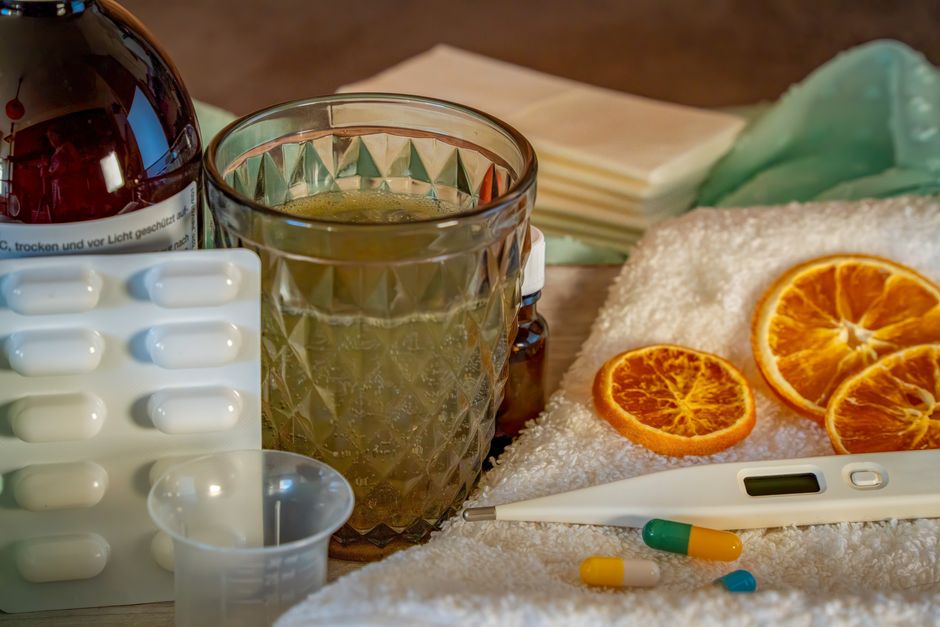
A fever is your body’s natural defense against infection. It raises your internal temperature to make it harder for viruses and bacteria to survive. When you want to get a fever to break, the goal is not to fight the fever itself but to help your body cool down safely while it does its job. The fastest and safest way to break a fever is to take an over-the-counter fever reducer like acetaminophen or ibuprofen, drink plenty of fluids, and rest. You should also remove extra layers of clothing and keep your room at a comfortable temperature. Most fevers break on their own within a few days as your immune system wins the fight.
What Temperature Actually Counts As A Fever?
A normal body temperature is around 98.6°F (37°C), but it fluctuates throughout the day. It is lower in the morning and slightly higher in the late afternoon. Most medical professionals consider a temperature of 100.4°F (38°C) or higher to be a fever.
For adults, a low-grade fever is generally between 100.4°F and 102.2°F. A temperature above 103°F is a higher fever that often requires more attention. If your temperature reaches 104°F or higher, you should seek medical care. For children, the thresholds differ by age. An infant under three months with a rectal temperature of 100.4°F or higher needs immediate medical attention because their immune systems are not fully developed.
Why Does The Body Produce A Fever?
The brain’s hypothalamus acts as the body’s thermostat. When your immune system detects an invader, it releases chemicals called pyrogens. These pyrogens signal the hypothalamus to raise the body’s set point. Your body then works to generate heat through shivering and muscle contractions to reach that new, higher temperature.
This heat serves a purpose. Many pathogens that cause illness are temperature-sensitive. A higher body temperature slows their reproduction and helps your immune cells work more efficiently. A fever is not the illness itself. It is a symptom that your immune system is actively responding.
Understanding this mechanism matters because it changes how you treat a fever. The goal is not to eliminate the fever entirely. The goal is to make you comfortable while your immune system clears the infection.
How To Get A Fever To Break Quickly And Safely
The quickest way to break a fever is to use a medication that lowers the body’s set point. Acetaminophen (Tylenol) and ibuprofen (Advil or Motrin) are the most common options. These drugs work by blocking the production of prostaglandins, the chemicals that tell your brain to raise your temperature. When the set point drops back to normal, your body begins to cool down by sweating.
Follow the dosing instructions on the package based on your weight and age. Do not take both medications at the same time unless a doctor specifically tells you to. Alternate them only if you have a clear schedule and understand the correct intervals. For adults, acetaminophen is typically taken every four to six hours, and ibuprofen every six to eight hours. Never exceed the maximum daily dose listed on the label.
Aspirin is not recommended for children or teenagers recovering from viral illnesses because of the risk of Reye’s syndrome, a rare but serious condition that causes swelling in the liver and brain. For adults, aspirin can be effective, but acetaminophen and ibuprofen are generally preferred because they have fewer side effects.




Hydration: The Critical Step People Skip
A fever increases your metabolic rate. For every degree your temperature rises, your body needs more fluid. You also lose water through sweating as your body tries to cool itself. Dehydration can make a fever worse and slow your recovery.
Water is the best choice for adults. Electrolyte drinks can help if you have been sweating heavily or have had diarrhea or vomiting. Clear broths and soups also count toward fluid intake. Avoid alcohol and caffeinated beverages because they can increase dehydration.
A simple way to check hydration is the color of your urine. Pale yellow means you are well hydrated. Dark yellow or amber means you need more fluids. If you are caring for a child with a fever, offer small amounts of fluid frequently rather than expecting them to drink a full glass at once.
Physical Cooling: What Works And What Does Not
Physical cooling methods can provide comfort, but they do not treat the underlying cause of the fever. Removing heavy blankets and wearing light clothing helps your body release heat naturally. Keeping your room at a comfortable temperature around 70°F to 75°F supports this process.
A lukewarm bath or a cool compress on the forehead can help you feel better. The water should feel neutral against your wrist. If the water is too cold, it can cause shivering, which actually generates more heat and raises your core temperature. Ice baths and cold water immersion are dangerous and should never be used to treat a fever.
Alcohol rubs are an old home remedy that is both ineffective and dangerous. The alcohol absorbs through the skin and can cause alcohol poisoning, especially in children. There is no safe dose or safe situation for using alcohol rubs to treat a fever.
When To Let A Fever Run Its Course
Not every fever needs treatment. A mild fever in an otherwise healthy adult can be left alone if you are comfortable and drinking fluids. The fever is helping your immune system work. Suppressing it with medication does not shorten the duration of the illness. Studies have not shown that reducing a fever makes you recover faster from a cold or flu.
Treat the person, not the number on the thermometer. If you have a fever of 101°F but feel okay enough to rest and drink fluids, medication may not be necessary. If you have a fever of 100.5°F and feel miserable with body aches and headache, taking a fever reducer is reasonable. The decision should be based on your symptoms and comfort level.
Sleep is one of the most effective tools for recovery. Your immune system releases certain proteins during sleep that help fight infection. Fevers often spike in the evening and break during sleep as the body cycles through its natural rhythms. Prioritize rest over constant temperature monitoring.
When A Fever Is An Emergency
Most fevers are harmless and resolve on their own. But some situations require immediate medical attention. For adults, seek emergency care if a fever reaches 103°F or higher and does not respond to medication, or if it is accompanied by severe headache, stiff neck, confusion, difficulty breathing, chest pain, or a rash that does not blanch when pressed.
For children, the guidelines are stricter. Any infant under three months with a fever of 100.4°F or higher needs emergency care. For older children, seek medical attention if a fever lasts more than three days, if the child is listless or irritable, has trouble breathing, or cannot keep fluids down. A fever that causes a seizure requires immediate emergency care, even if the seizure stops quickly.
Fever in an adult that lasts more than three days also warrants a medical evaluation. A persistent fever can indicate a bacterial infection that requires antibiotics, such as pneumonia or a urinary tract infection. If you have a chronic condition like heart disease, diabetes, or a weakened immune system, contact your doctor earlier rather than later.
Fever In Children: Special Considerations
Children run higher fevers than adults, and their temperatures can spike quickly. A fever of 104°F in a child is alarming for parents but is not automatically dangerous. What matters more is how the child looks and behaves. A child with a high fever who is playing, drinking, and responsive is generally not in danger.
Pediatric dosing for fever reducers is based on weight, not age. Never guess the dose. Use the measuring device that comes with the medication, not a kitchen spoon. Check the concentration on the label because infant drops and children’s liquid versions have different strengths.
Do not give a child under six months ibuprofen. Acetaminophen is the only option for infants under six months, and it should be given only with a doctor’s guidance for babies under three months. Do not wake a sleeping child to give fever medication. Rest is more important than a lower temperature.
Frequently Asked Questions
How long does it take for a fever to break?
Most fevers respond to medication within 30 to 60 minutes. A fever that is left untreated typically breaks on its own within three to four days as the immune system clears the infection.
Should I sweat out a fever with blankets?
No. Bundling up in heavy blankets traps heat and can raise your temperature higher. Wear light clothing and use a single light blanket to allow your body to cool naturally.
Is it safe to take a cold shower to break a fever?
No. Cold water causes shivering, which generates more heat and raises your core temperature. Use lukewarm water instead if you need physical cooling.
Can I alternate acetaminophen and ibuprofen for a fever?
Alternating is sometimes done under medical supervision, but it increases the risk of dosing errors. It is safer to pick one medication and follow the recommended interval on the label.
