
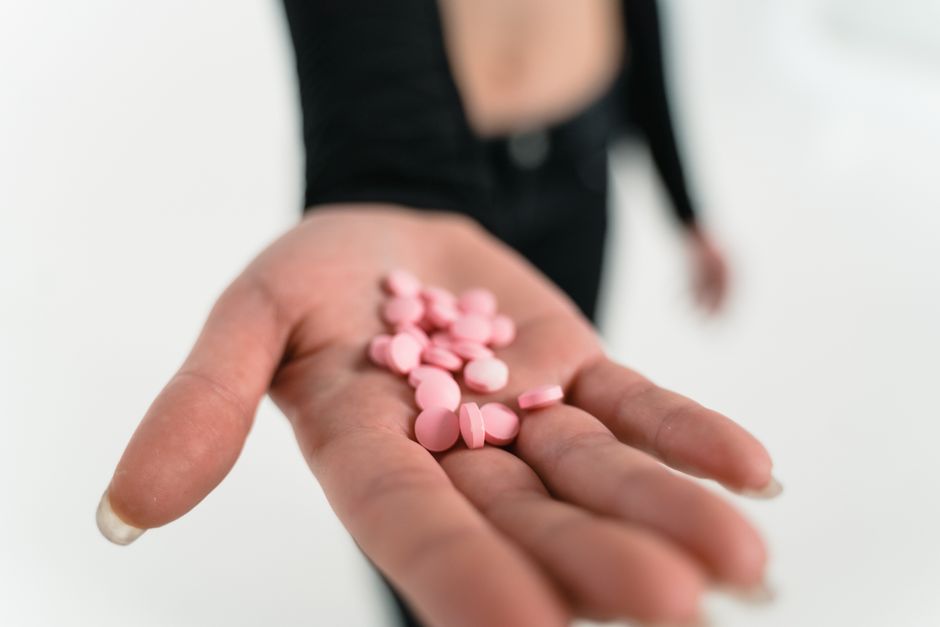
No pill, supplement, or topical cream has been shown in controlled human trials to permanently increase penis size. What actually works falls into three categories: procedures that physically add tissue or release suspensory ligaments, devices that create traction or vacuum pressure over time, and lifestyle changes that improve erectile function so you reach your natural maximum size. Everything else is marketing.
The distinction between those three categories matters more than most men realize. Some approaches change the anatomy itself. Some change how much of your existing anatomy you can actually use. And some do nothing measurable at all, despite confident claims and before-and-after photos.
What Actually Determines Penis Size?
Penis size is set by anatomy you cannot change through diet, exercise, or supplements. The structures involved are the two corpora cavernosa and the corpus spongiosum — columns of erectile tissue that fill with blood during an erection — along with the suspensory ligament that anchors the base of the penis to the pubic bone.
The corpora cavernosa are the main cylinders. Their size is genetically determined and fixed after puberty. No nutrient, herb, or hormone available without a prescription adds tissue to them in adults.
Two factors do influence how large your penis appears and functions:
- Erectile quality. A partially filled erection looks and measures smaller than a full one. Conditions that reduce blood flow — cardiovascular disease, diabetes, smoking, uncontrolled high blood pressure — can shrink your functional size without changing your anatomy.
- Suprapubic fat. Fat pad over the pubic bone can hide part of the penile shaft. Losing weight can reveal length that was always there. It does not create new length.
Average erect penis length in adults is roughly 5 to 6 inches, based on pooled measurements from multiple studies. The range of normal is wide. Many men who believe they are small fall within normal limits.
Do Penis Enlargement Pills Work?
No. There is no oral pill, capsule, or powder with evidence from controlled human trials showing it increases penis size.
Products sold as “male enhancement” pills typically contain herbal ingredients like horny goat weed, tribulus terrestris, ginseng, or maca. Some of these have been studied for erectile function, but not for penile growth. Even where a modest effect on erection quality is suggested, that is a different claim from increasing size.
The FDA has repeatedly warned that many of these products contain undeclared prescription drugs — most often sildenafil or tadalafil, the active ingredients in Viagra and Cialis. That is a real safety issue. Taking an unknown dose of a prescription drug without medical supervision can cause dangerous drops in blood pressure, especially if you also take nitrates for chest pain.
Some pills contain hormones or hormone-like compounds. In adults, these do not enlarge the penis and can disrupt your natural hormone balance.
What About Traction Devices and Vacuum Pumps?
These are the two non-surgical methods with the most research behind them. Neither is a guaranteed fix, and the evidence is not as strong as marketing suggests — but it is not zero either.
Traction devices apply steady stretching force to the penis over months. The theory is that sustained tension causes tissue remodeling, similar to how skin and soft tissue respond to gradual stretch. Some small studies have reported modest length gains, typically under an inch, with daily use over several months. Most of these studies were small, and many were not blinded or controlled. Results vary, and gains may not be permanent.
Vacuum pumps draw blood into the penis using negative pressure. They are well established for treating erectile dysfunction and are often prescribed after prostate surgery. For size increase, the evidence is weaker. Any swelling or enlargement after a session is temporary and fades within hours. Using a pump incorrectly can cause bruising, skin damage, or injury to the erectile tissue.
Both methods carry risks if used improperly. Traction devices can cause pain, numbness, or skin breakdown. Pumps can cause petechiae, bruising, and in rare cases penile fracture if pressure is excessive.





What Surgical Options Exist?
Surgery is the only approach that physically changes penile anatomy. It is also the option with the most significant risks and the most variable results.
Ligament release (suspensory ligament division). The suspensory ligament holds the base of the penis close to the body. Cutting it allows the penis to sit lower and appear longer when flaccid. Erect length does not reliably increase. A known risk is that the penis may no longer point upward during erection, and scar tissue can pull it in an unwanted direction.
Girth augmentation. This involves injecting fat, fillers, or grafted tissue under the skin of the shaft. Results are unpredictable. Fat can be reabsorbed unevenly, creating lumps. Fillers can migrate. Complications include infection, scarring, and deformity that is harder to correct than the original concern.
Implants and flaps. These are more invasive and generally reserved for reconstructive cases, not cosmetic enlargement.
These procedures are performed by a small number of urologists and plastic surgeons. Outcomes vary widely by surgeon and technique. Anyone considering surgery should seek a board-certified urologist and be clear that the goal is appearance, not function — because function can be worse afterward.
How Do Lifestyle Changes Affect Size?
Lifestyle changes do not add tissue. They can improve erectile function, which means you may reach closer to your full natural size during an erection.
Erection depends on healthy blood flow and nerve signaling. Anything that damages blood vessels or nerves can reduce erectile quality:
- Smoking damages blood vessels throughout the body, including those supplying the penis.
- Uncontrolled diabetes can damage both blood vessels and nerves over time.
- High blood pressure and high cholesterol contribute to vascular disease.
- Excess weight increases the fat pad over the pubic bone and is linked to lower testosterone and poorer erectile function.
- Sedentary lifestyle is associated with poorer vascular health overall.
Regular aerobic exercise, not smoking, managing blood sugar and blood pressure, and maintaining a healthy weight all support erectile function. None of these will make your penis physically larger. They can help you get the most out of the size you have.
One thing worth knowing: pelvic floor exercises (Kegels) are sometimes recommended for erectile function and premature ejaculation. Some small studies suggest they may help. The evidence is not strong enough to call them a reliable method for increasing size, and they do not add tissue.
What Does Not Work?
A lot of what is sold and promoted does not hold up.
Jelqing and manual stretching. These are exercises promoted in forums and some websites. They involve pulling and massaging the penis to encourage growth. No controlled studies support them. They can cause pain, bruising, and in some cases injury to the erectile tissue. Some men report temporary changes, but these are not documented as permanent gains in clinical research.
Pumps and stretchers sold with exaggerated claims. The devices themselves are real. The claims often are not. A vacuum pump marketed as adding two inches permanently is not supported by evidence.
Hormones. Testosterone therapy can improve erectile function in men with genuinely low testosterone. It does not enlarge the penis. In men with normal levels, it offers no size benefit and carries risks.
Weighted hanging. This is a high-risk practice with no clinical support. It can cause serious injury.
Herbal creams and oils. No topical product has been shown to increase penile size. Some cause irritation or allergic reactions.
How To Get A Bigger Dick Without Pills: What Works?
The honest answer is that the options with any evidence behind them are limited, and none is guaranteed.
Traction devices and vacuum pumps have some research support for modest changes, but the studies are small and results vary. Surgery can change appearance but carries real risks and does not reliably increase erect length. Lifestyle changes improve erectile function, which affects how large you appear and function — but they do not add tissue.
If your concern is that your penis is unusually small, that is a different conversation. A urologist can assess whether you have a genuine medical condition or whether your size falls within the normal range. Many men who seek treatment are within normal limits. That is not reassurance for its own sake — it is what the measurements show.
For most men, the most effective steps are the least dramatic: improve vascular health, lose excess weight if it is hiding length, and treat any underlying condition affecting erections. These are not shortcuts. They are the only things that reliably affect how your penis looks and works without adding risk.
Frequently Asked Questions
Do penis enlargement pills work?
No. No oral pill has been shown in controlled human trials to increase penis size, and the FDA has found that many contain undeclared prescription drugs. They are not a safe or effective option.
Can traction devices or pumps make your penis bigger?
Some small studies suggest traction devices may produce modest length gains with months of daily use, but the evidence is limited and results vary. Vacuum pumps are well established for erectile dysfunction, but any size change after use is temporary.
Does losing weight make your penis bigger?
Weight loss can reveal length that was hidden by fat over the pubic bone, but it does not add tissue. It also supports better erectile function, which can help you reach your natural size.
Is penis enlargement surgery safe?
All surgical options carry real risks, including scarring, deformity, infection, and changes to how the penis points during erection. Results vary widely, and erect length does not reliably increase.
