
Why Do Some Seeds Germinate Faster Than Others?
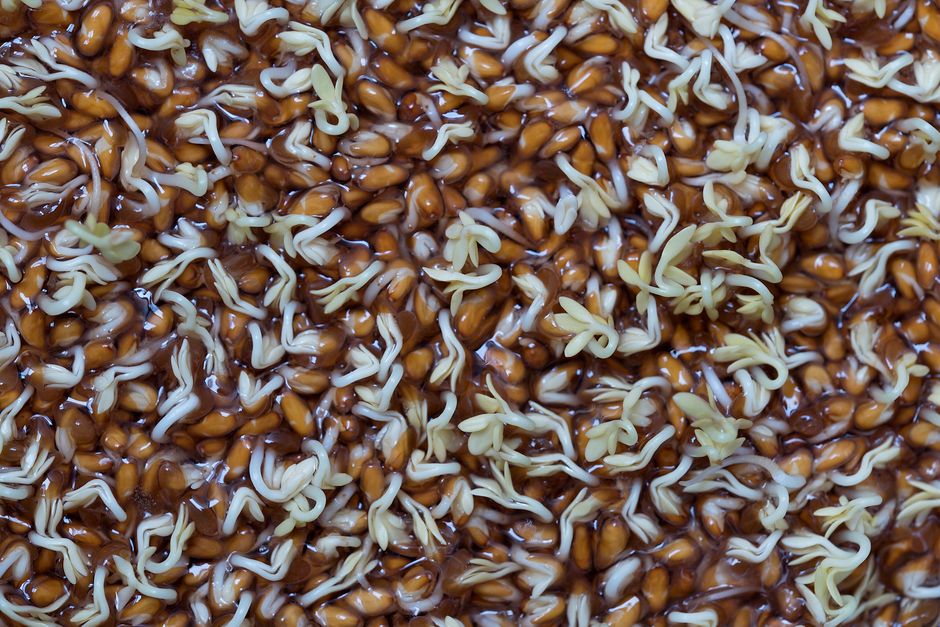
Seed germination is not random. Every seed contains a dormant embryo wrapped in a protective coat. For that embryo to wake up, it needs water, oxygen, and the right temperature. When those three conditions are met, the seed absorbs water, swells, and the embryo pushes through the seed coat.
Some seeds sprout in two or three days. Others take three weeks or more. The difference comes down to the seed coat thickness and the plant species. Lettuce and radish seeds are thin-coated and quick. Parsley and carrots have tougher coats and naturally take longer.
Temperature also plays a major role. Most common garden vegetables germinate best between 65°F and 75°F. Some, like peppers and tomatoes, prefer warmer soil around 80°F. If your room is cool, germination slows down dramatically. That is why a heat mat can make a visible difference.
How To Germinate Seeds Quickly Methods That Work
The fastest reliable method is the paper towel technique. It works because it keeps seeds consistently moist while allowing air to reach them. Here is how to do it.
Dampen a paper towel so it is wet but not dripping. Place seeds on one half of the towel, spaced apart. Fold the other half over them. Slide the towel into a plastic bag or a sealed container. Put it somewhere warm, like on top of the refrigerator or on a heat mat set to 75°F.
Check the towel every day. Most seeds will sprout within three to seven days. Once you see a white root tip, move the seed to soil immediately. Do not wait. The root is delicate and can get damaged if it grows too long in the towel.
This method works for most vegetables and herbs. It is especially useful for old seeds because you can see which ones are still viable before planting them in soil.
Does Soaking Seeds Before Planting Speed Up Germination?
Soaking works for seeds with thick or hard coats. It softens the outer layer so water can get inside faster. Seeds like beans, peas, beets, and morning glory respond well to soaking.
Use warm water, not hot. Soak for 8 to 12 hours. No longer. Seeds left in water too long can run out of oxygen and rot. After soaking, plant them immediately in moist soil.
Not all seeds benefit from soaking. Small seeds like lettuce and carrots can become waterlogged and clump together. For those, the paper towel method or direct sowing is better.
One note: soaking does not speed up germination for every seed type. It only helps when the seed coat is the limiting factor. For seeds with thin coats, soaking adds no benefit.




Does a Heat Mat Really Make Seeds Sprout Faster?
Yes, for warm-season crops it does. Soil temperature matters more than air temperature. A room at 70°F often has soil that is cooler, especially if it sits near a window or on a concrete floor.
A seedling heat mat warms the soil from below. This speeds up the chemical reactions inside the seed that trigger growth. For peppers, tomatoes, eggplants, and melons, a heat mat can cut germination time by several days.
Set the mat to 75°F to 80°F for most warm-season seeds. Cool-season crops like lettuce and broccoli germinate fine at 65°F to 70°F and do not need extra heat.
Once seeds sprout, remove the heat mat. Young seedlings grow better at slightly cooler temperatures. Leaving the mat on can make seedlings grow too fast and become leggy.
What About Light During Germination?
Most seeds do not need light to germinate. They need warmth and moisture. Light only becomes important once the seedling has emerged and needs to photosynthesize.
There are a few exceptions. Some lettuce varieties and certain flowers like petunias need light to trigger germination. These seeds should be pressed into the soil surface and not covered. The seed packet usually notes this.
For everything else, darkness is fine. You can keep seed trays in a dark closet or cover them with a humidity dome. The key is not light but consistent moisture and warmth.
Once sprouts appear, move them to bright light immediately. A sunny windowsill works, but grow lights are more reliable. Seedlings that do not get enough light stretch toward the source and become weak.
Why Do Some Seeds Fail To Germinate Even With The Right Conditions?
Sometimes seeds do not sprout no matter what you do. The most common reason is old seed. Seed viability drops with age. Some seeds last years, others lose vigor within a season. Onion and parsnip seeds are notoriously short-lived. Squash and cucumber seeds can stay viable for several years.
Another common issue is planting depth. Seeds planted too deep run out of stored energy before reaching the surface. A general rule is to plant seeds at a depth of two to three times their diameter. Tiny seeds like basil should barely be covered. Large seeds like beans can go about an inch deep.
Overwatering is another culprit. Seeds need moisture, but they also need oxygen. Soggy soil pushes out the air and causes seeds to rot. The soil should feel like a wrung-out sponge, not a puddle.
Some seeds also have built-in dormancy. This is common in native wildflowers and some perennials. These seeds need a period of cold, a process called stratification, before they will germinate. This is not a failure of your technique. It is the seed’s natural survival mechanism.
Common Mistakes That Slow Down Germination
Several small errors can delay or prevent sprouting. The most frequent mistake is letting the growing medium dry out. Seeds that dry out after absorbing water often die. Check trays daily and mist with a spray bottle if the surface looks dry.
Planting too early is another issue. Seeds started in cold soil sit and wait. If you are sowing directly outdoors, wait until the soil has warmed up. Indoor seed starting gives you more control, but only if you provide bottom heat.
Using garden soil instead of a seed-starting mix is a common error. Garden soil compacts and can harbor diseases. A sterile seed-starting mix is lighter and holds moisture more evenly.
Finally, removing the humidity dome too early can cause problems. The dome keeps moisture in while seeds germinate. Once most seeds have sprouted, remove it gradually over a few days. This lets seedlings adjust to normal room humidity without drying out.
Frequently Asked Questions
What is the fastest way to germinate seeds?
The paper towel method is the fastest for most seeds. It keeps moisture and warmth consistent, and most seeds sprout within three to seven days.
Should I soak seeds before planting?
Soak seeds with thick coats like beans, peas, and beets for 8 to 12 hours. Small seeds like lettuce do not need soaking and can be damaged by it.
Do seeds need light to germinate?
Most seeds germinate in darkness. Only a few species, like some lettuce varieties and petunias, need light to trigger germination.
Why are my seeds not germinating?
The most common causes are old seeds, cold soil, and overwatering. Check the seed packet for the expected germination time and make sure the soil stays warm and moist but not soggy.
